



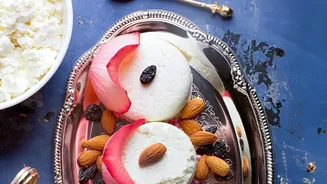
A Sweet Reinvention
Across India's bakeries and home kitchens, a creative revolution is taking place. Traditional Indian sweets are being reimagined with Western baking techniques, resulting in stunning and delicious fusion desserts. Think of a soft, cardamom-scented cake
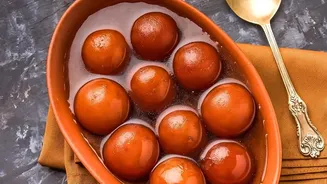
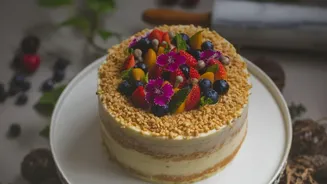
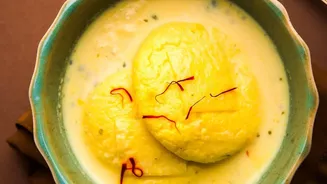
soaked in saffron syrup with actual Gulab Jamuns baked inside, or a creamy, eggless cheesecake infused with the delicate flavours of rose and cardamom, reminiscent of Gulab Jamun. This isn't just about adding an Indian twist; it's a complete culinary dialogue. We're seeing everything from Rasmalai Tiramisu and Motichoor Ladoo Rabdi Cake to Thandai-flavoured Baklava and Gajar Ka Halwa-inspired carrot cakes. This trend marries the comforting nostalgia of mithai with the sophisticated textures of cakes, pastries, and mousses, creating a whole new category of celebratory treats.
The Rise of the Eggless Baker
Several factors are fueling this creative surge. A significant portion of the Indian population is vegetarian, creating a constant demand for high-quality, eggless desserts that go beyond simple sponge cakes. The COVID-19 pandemic also played a crucial role, sparking a boom in home baking. With more time on their hands, many aspiring bakers honed their skills using online resources and turned their passion into professions. This new generation of home bakers, unburdened by traditional patisserie rules, began to experiment with the flavours they grew up with, leading to widespread innovation. The result is a thriving market for personalized, homemade cakes that cater to specific dietary needs without sacrificing creativity.
Desserts Designed for the Digital Age
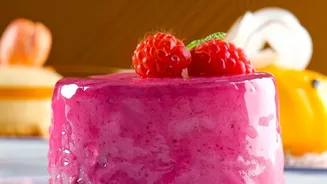
This trend is also perfectly suited for the social media era. These fusion creations are often visually spectacular, with vibrant colours, intricate layers, and delicate garnishes like rose petals and pistachios. This makes them incredibly "Instagrammable," and a recent survey showed that over half of Indian consumers are motivated to share food experiences online if the visuals are memorable. Home bakers and professional pastry chefs alike have leveraged platforms like Instagram and Facebook to showcase their creations, build a brand, and reach a massive audience. This digital word-of-mouth has been essential in popularizing these desserts, turning local bakers into online sensations and spreading trends from bustling metros to smaller towns.
More Than Just a Mashup
The artistry behind these desserts goes far beyond simply mixing two things together. The best fusion bakers are thoughtfully deconstructing traditional Indian flavours and textures and reinterpreting them in new forms. For example, the milky, cardamom-scented essence of Rasmalai is translated into a light mousse or a soaking syrup for a tres leches cake. The nutty, dense texture of Badam Halwa finds a new home inside a flaky croissant. This approach honours the soul of the original sweet while presenting it in a modern, often surprising, format. It’s a delicate balance of innovation and heritage, showing a deep respect for Indian culinary traditions while fearlessly pushing boundaries.