


The Philosophy of Inner Heat
In the harsh, windswept landscape of Ladakh, staying warm is not just about layering clothes; it is a holistic practice deeply rooted in the principles of Sowa-Rigpa, the traditional Tibetan system of medicine. This ancient knowledge emphasizes maintaining
the body's internal fire, or metabolic heat, to combat the debilitating effects of extreme cold. The logic is simple yet profound: a warm body is a healthy body, capable of warding off illness and maintaining vitality. This is achieved through diet, lifestyle, and a masterful use of the region's unique alpine flora. The brews and rinses used are more than just remedies; they are a way of life, embodying a deep respect for nature's ability to sustain and protect.
Gur-Gur Chai: The Buttery Elixir
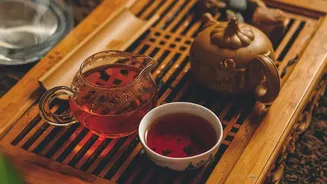
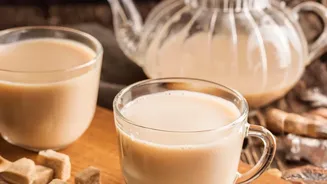
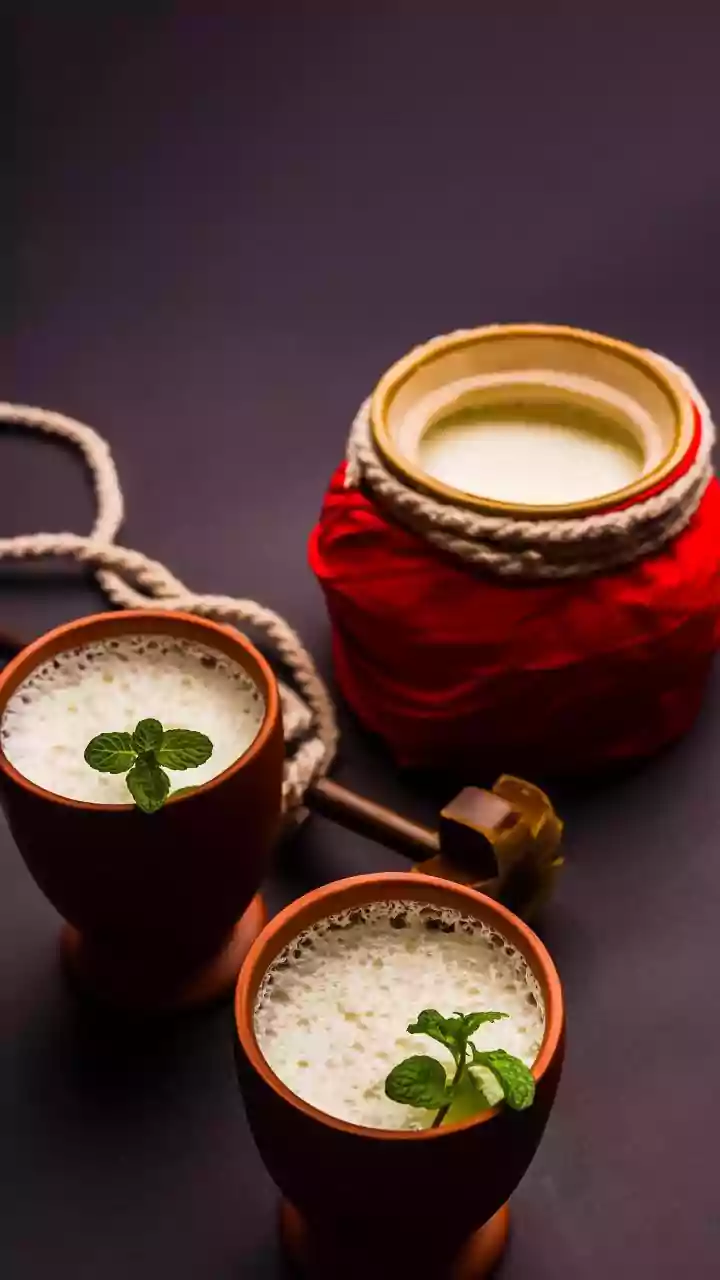
No discussion of Ladakhi warmth is complete without mentioning Gur-Gur Chai, or butter tea. This iconic beverage is a cornerstone of daily life, providing essential calories and hydration in the cold, dry climate. Prepared by churning tea leaves (often a strong black or dark variety) with yak butter, water, and salt, the result is a rich, savoury, and creamy drink that is more like a thin soup. The high fat content from the butter provides a concentrated source of energy, helping the body maintain its core temperature in freezing conditions. The salt helps replenish electrolytes and retain hydration, crucial at high altitudes. Consumed throughout the day, Gur-Gur Chai is a symbol of hospitality and a vital source of sustenance that fuels the Ladakhi people through their demanding winters.
Potent Brews from Mountain Flora
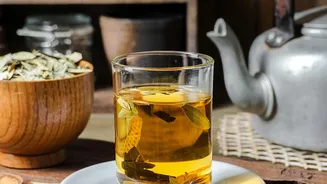
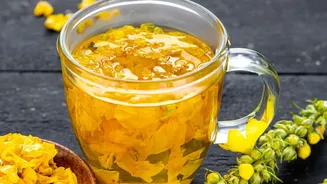
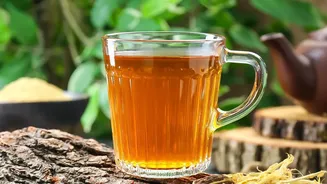
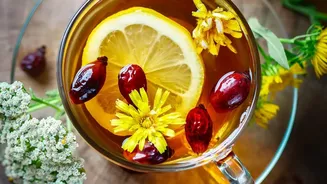
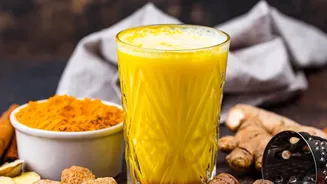
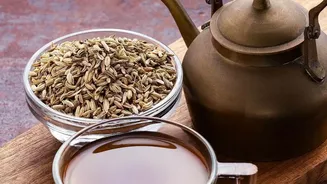
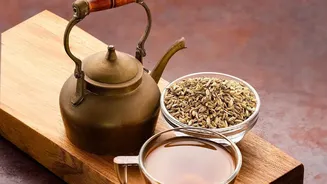
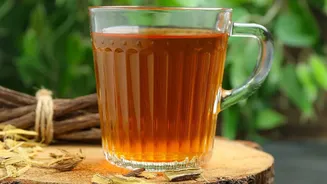
Beyond butter tea, Ladakhis utilize a variety of other brews made from wild herbs to stoke the body's inner fire. Warming herbs like ginger are fundamental, known to boost circulation and aid digestion. Herbal teas, often featuring ingredients like wild mint or the nutrient-rich leaves of sea buckthorn, are consumed not just for warmth but also for their healing properties. These infusions are based on Ayurvedic and Sowa-Rigpa principles, which classify herbs based on their energetic effects. Other staples of the Indian winter wellness cabinet, such as tulsi (holy basil) and turmeric, are also used for their immune-boosting and anti-inflammatory benefits, helping the body build resilience against seasonal ailments.
Soothing Rinses and Compresses
Warmth in Ladakhi tradition is not only ingested but also applied externally. The practice of using hot herbal compresses and medicinal baths, known as Lum in the Sowa-Rigpa tradition, is a key therapy for dispelling pathogenic cold, relieving pain, and improving blood circulation. These treatments involve creating a decoction by simmering plants like ginger in water. A cloth is then soaked in the hot herbal water and applied to stiff muscles or aching joints to deliver deep, penetrating heat. Another method, 'Horme' or Mongolian Moxa, involves placing small bags filled with specific herbs, soaked in warm oil, on certain points of the body to calm the nervous system and increase inner warmth. These external therapies open the pores, allowing the body to absorb the medicinal properties of the herbs while the heat relaxes muscles and eases stiffness.
Hearty Soups for Deep Warmth
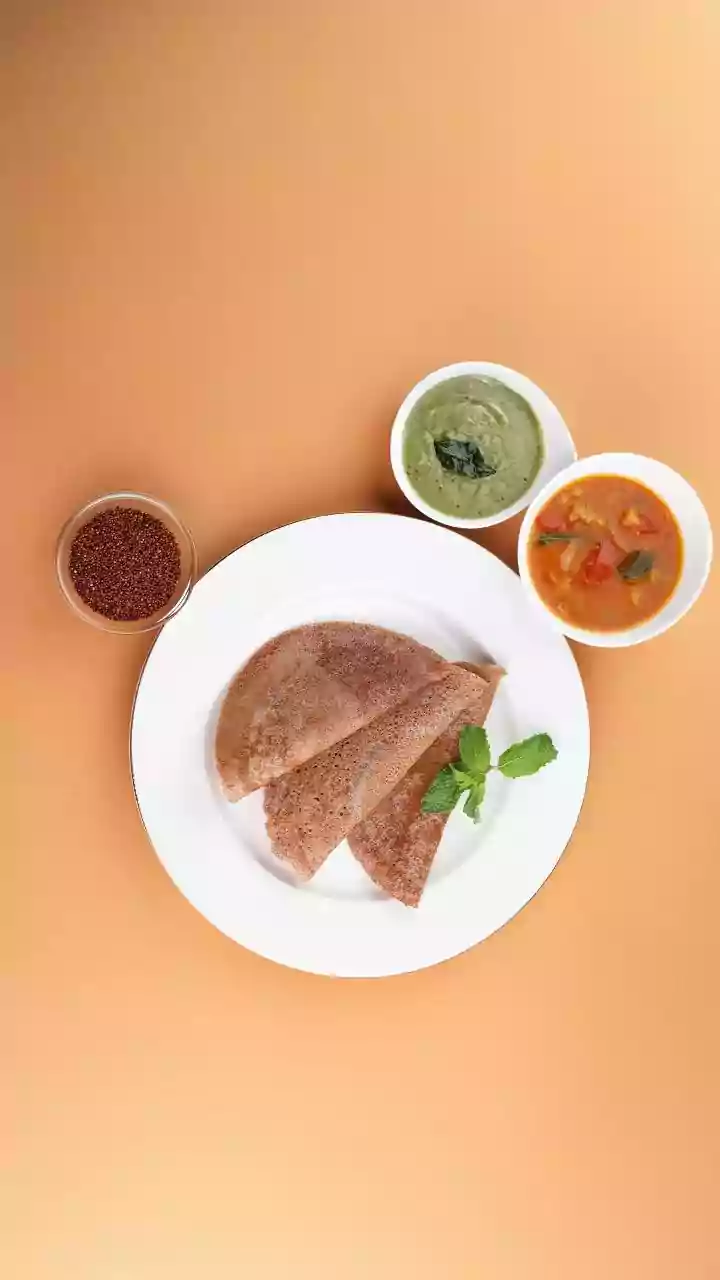
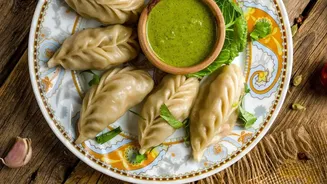
Ladakhi cuisine itself is a form of winter medicine. Hearty, soup-based dishes are staples designed to provide maximum calories and warmth. Skyu is a traditional stew made with thumb-sized balls of wheat dough cooked slowly with root vegetables. This dish is a winter favourite, providing the energy needed to endure sub-zero temperatures. Another notable dish is Thukpa, a nourishing noodle soup with vegetables or meat, which serves to warm both the body and soul. These meals are often flavoured with Chhurpe, or dried yak cheese, which can be added to broths when fresh vegetables are scarce, providing a rich source of protein and vitamins.