




The Joy of a Windowsill Farm
Before we dig into the 'how', let's talk about the 'why'. Growing your own food, even on a tiny scale, is incredibly rewarding. It reconnects you with the source of your nourishment, drastically cuts down on 'food miles' (the distance your food travels
to get to you), and reduces plastic packaging waste. You get to enjoy produce that is fresher, more flavourful, and free from unknown pesticides. And the best part? It doesn't require a sprawling garden or a hefty budget. A sunny windowsill, a bit of enthusiasm, and a few basic supplies are all you need to join the urban farming revolution. It's a small step towards a more sustainable lifestyle that also brings a touch of living green nature into your home.
Find Your Sunniest Spot
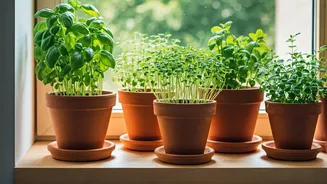
Plants need light to live, and vegetables need a good amount of it to thrive. Before you buy a single seed, take a moment to observe the light in your home. The ideal location is a windowsill that receives at least five to six hours of direct sunlight per day. In India, south-facing windows are your best bet, as they get the most consistent sun throughout the day. East-facing windows get good morning sun, which is great for leafy greens and herbs, while west-facing windows get strong afternoon sun. If you don't have a perfectly sunny sill, don't worry. Many herbs and some leafy greens can manage with a little less light. Just make a note of your sunniest spot—this will be your prime real estate for your new edible garden.
Containers on a Budget
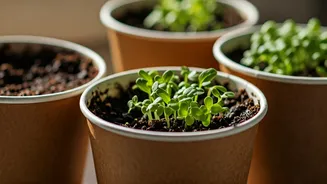
You do not need to buy expensive, fancy pots. The 'inexpensive' part of windowsill farming is all about creative recycling. Old plastic bottles, takeaway containers, yogurt cups, and even sturdy milk packets can be transformed into excellent planters. The one non-negotiable rule is drainage. Plants hate sitting in water, as it leads to root rot. Whatever container you choose, make sure to poke several small holes in the bottom to allow excess water to escape. You can place a small tray or dish underneath to catch the drips and protect your windowsill. By repurposing items you would otherwise throw away, you're making your new hobby even more sustainable.
Easy Plants for Beginners
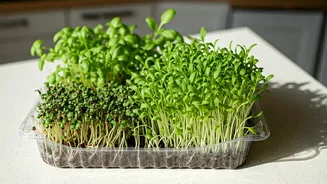
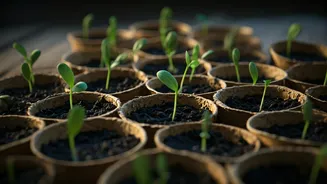
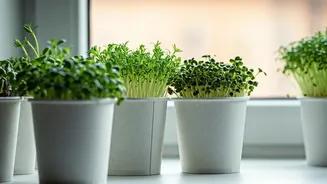
The key to building confidence is starting with plants that are known to be forgiving and grow well in containers. For Indian kitchens, the choice is clear and delicious. Herbs: Coriander (dhania), mint (pudina), and fenugreek (methi) are fantastic starters. They grow quickly and you can harvest them repeatedly. Leafy Greens: Spinach (palak) can be grown in relatively shallow containers. You can harvest the outer leaves, and the plant will continue to produce more from the centre. Chillies: A single chilli plant in a sunny spot can provide you with fresh chillies for months. They are surprisingly easy to grow from the seeds of a dried chilli from your kitchen. Microgreens: These are the seedlings of vegetables and herbs. They are harvested just a week or two after planting and are packed with nutrients. Mustard, fenugreek, and radish seeds are great for growing microgreens. They require very little space and give you an almost instant harvest.
Soil, Seeds, and Water
While you can be frugal with containers, don't skimp on the soil. Avoid using heavy garden soil, which compacts easily in pots. Instead, buy a bag of 'potting mix' from your local nursery. This is a lightweight blend designed for containers and usually contains coco peat, compost, and other nutrients that help plants thrive. Seeds are inexpensive and widely available. Check the expiry date on the packet to ensure they are fresh. When it comes to watering, the rule is simple: check the soil. Stick your finger about an inch deep. If the soil feels dry, it's time to water. If it's damp, wait another day. It's better to water thoroughly but less frequently than to give a little splash every day. Morning is the best time to water, allowing the leaves to dry during the day, which helps prevent fungal diseases.