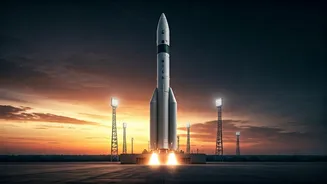


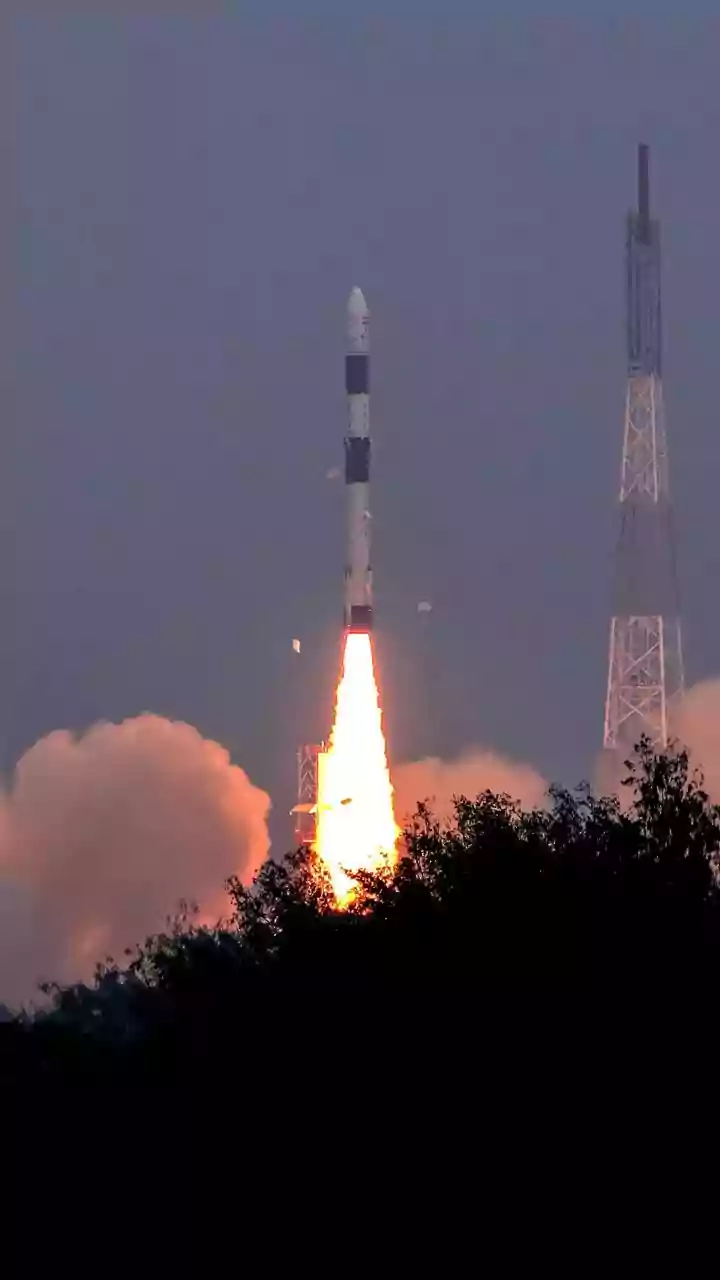


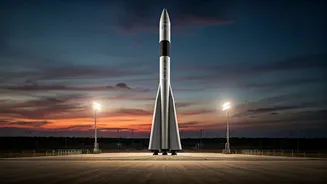


What is Mission Aagaman?
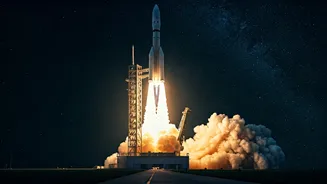
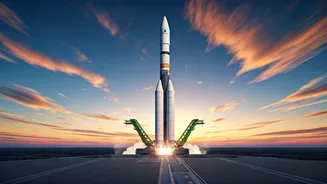
Mission Aagaman is the name for the first orbital test flight of the Vikram-1 rocket, developed by Hyderabad-based startup Skyroot Aerospace. Scheduled for a launch window between July 12 and August 4, 2026, from the Satish Dhawan Space Centre in Sriharikota,
this mission represents a pivotal moment. Unlike previous private launches from India which were suborbital, Vikram-1 is designed to reach orbit, a far more complex and significant achievement. The rocket aims to deliver payloads into a 450-kilometer Low Earth Orbit. According to Skyroot's CEO, Pawan Kumar Chandana, the primary goal of Aagaman is to capture crucial in-flight performance data to validate the rocket's design and pave the way for future commercial operations. The launch isn't just a technical test; it's a partially commercial flight carrying payloads for both domestic and international clients, demonstrating the business case from day one.
The Dawn of a Private Space Age
For decades, India's journey in space was synonymous with one name: ISRO (Indian Space Research Organisation). This government-led model produced incredible, cost-effective successes, including the Mars Orbiter Mission and the historic Chandrayaan-3 lunar landing. However, in June 2020, the government unlocked the sector for private participation, a move designed to accelerate growth and innovation. This led to the creation of the Indian National Space Promotion and Authorisation Centre (IN-SPACe), a single-window agency to facilitate and regulate private space activities. The goal is to shift the Indian space ecosystem from being government-centric to a dynamic, commercially-driven industry where private players can build, own, and operate everything from rockets to satellites.
The Economic Lift-Off
The stakes are enormous. India's space economy, currently valued at around $8.4 billion, is projected to surge to approximately $44 billion by 2033. This ambitious target aims to increase India's share of the global space market from the current 2-3% to a more formidable 8-10%. This growth will be fueled by a constellation of over 400 space startups that have emerged in recent years, working on everything from satellite manufacturing to data analytics. To attract capital, the government has liberalised Foreign Direct Investment (FDI) norms, allowing up to 100% foreign ownership in certain areas of the satellite sector. This policy shift, combined with venture capital funds, is creating a fertile ground for innovation and job creation across engineering, manufacturing, and software.
Beyond Rockets: A Collaborative Cosmos
While rocket launches like Mission Aagaman capture headlines, the private space revolution is multifaceted. Another landmark event is India's first privately-facilitated human spaceflight. In a collaboration with US-based Axiom Space, an Indian Air Force Group Captain, Shubhanshu Shukla, became the first Indian to visit the International Space Station (ISS) on a commercial mission. This mission, part of Axiom's Ax-4 crew, provides invaluable experience for ISRO's own upcoming human spaceflight program, Gaganyaan, planned for 2027. It demonstrates a new model of public-private and international collaboration. Commercial activities are also managed by NewSpace India Limited (NSIL), ISRO's commercial arm, which handles everything from leasing satellites to selling launch services, effectively transitioning ISRO's proven technologies into market-ready products.