


The Tradition of 'Garam Taseer'
In many Indian households, winter eating is guided by the Ayurvedic concept of 'garam taseer' or foods with a warming effect. The body's digestive fire, or 'Agni', is believed to be stronger in winter, allowing for the digestion of richer, heavier foods.
Ingredients like ghee, jaggery, ginger, sesame seeds, and nuts are staples, thought to help the body retain heat and provide sustained energy during the colder months. This traditional wisdom forms the foundation of our winter culinary heritage, from the dense energy of Gond ke Ladoo to the comforting warmth of a spiced chai. These foods are designed not just for taste but to help the body cope with the seasonal shift.
Beloved Greens: Sarson ka Saag
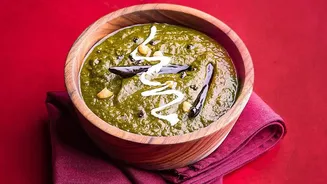
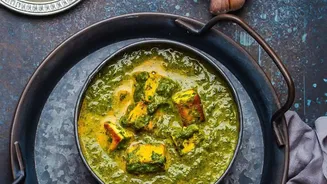
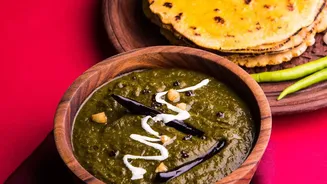
No North Indian winter is complete without Sarson ka Saag. Made from mustard greens, often mixed with spinach or bathua, this dish is a powerhouse of nutrients. Mustard leaves are rich in vitamins A, C, and K, along with iron and antioxidants that support immunity. However, the healthiness of the final dish depends heavily on its preparation. While traditionally served with a dollop of white butter and paired with makki ki roti, a modern, health-conscious approach would be mindful of the amount of ghee and butter used, which can significantly increase the calorie and fat content.
Sweet Comfort: Gajar ka Halwa
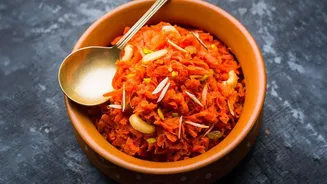
Gajar ka Halwa is the quintessential winter dessert, a sweet pudding made from seasonal red carrots. Carrots are an excellent source of beta-carotene, which the body converts into vitamin A, crucial for good vision and a healthy immune system. When milk is added, it contributes calcium for bone health. The temptation, however, lies in the added sugar and khoya. A single serving can be high in calories. For a healthier version, one can use jaggery instead of refined sugar, reduce the amount of ghee, and focus on the natural sweetness of the carrots, which is enhanced when cooked.
Energy Bites: Gond ke Ladoo
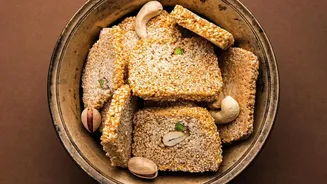
Gond ke Ladoo are energy-dense sweets made from edible gum (gond), whole wheat flour, ghee, nuts, and a sweetener like jaggery. Traditionally, they are given to new mothers for recovery and are popular in winter for their warming properties. The ingredients provide a mix of healthy fats, protein, and carbohydrates, offering sustained energy. Gond is also believed to be good for joint health. While nutritious, these ladoos are very high in calories. Moderation is key; treating them as a small, occasional snack is wiser than making them a daily indulgence.
The Verdict: Variety Over a Single Hero
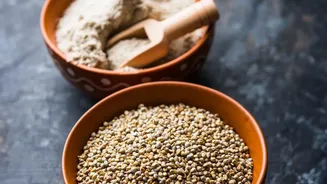
The core message of the headline is a crucial one in modern nutrition: no single food can be a magic bullet for health. While winter foods like saag, halwa, and various ladoos offer specific benefits, they are part of a larger picture. A truly healthy diet is balanced and varied. Relying on just one 'superfood' can lead to nutritional imbalances. For instance, while Gajar ka Halwa provides vitamin A, a diet also needs fibre from whole grains like bajra, vitamin C from amla, and protein from dals. The goal should be to enjoy these seasonal specialities as part of a diverse plate that includes plenty of vegetables, whole grains, and lean proteins.