




Know Your Basecamps: Govindghat vs. Ghangaria
Your accommodation strategy depends on understanding two key locations. Govindghat is the starting point, a small town on the Badrinath highway where the motorable road ends. It has more hotels and guesthouses and is the place to stay the night before
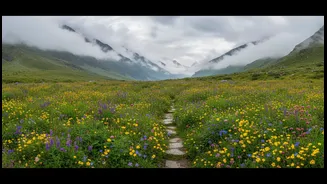
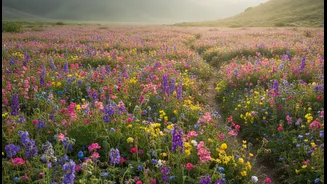
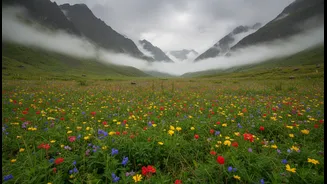
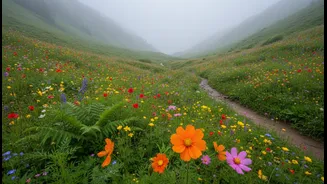
you begin your trek. From Govindghat, a 13-14 km trek (part of which can now be covered by local jeep to Pulna village) takes you to Ghangaria. Ghangaria, also called Gobind Dham, is the high-altitude basecamp village from where you will make the day treks to the Valley of Flowers and Hemkund Sahib. There is no accommodation inside the national park itself; every trekker must stay in Ghangaria for at least two nights.
Decoding Your Stay: Types of Budget Accommodation
On this route, 'budget' doesn't mean a sacrifice in spirit, just in creature comforts. Your main options are government guesthouses, private lodges, and Gurudwara shelters. The Garhwal Mandal Vikas Nigam (GMVN) runs tourist rest houses in both Govindghat and Ghangaria. These are reliable, offer basic amenities, and are the most sought-after, meaning they must be booked months in advance online. Private guesthouses and lodges form the bulk of options. These range from very basic rooms run by local families to slightly more comfortable hotels with attached bathrooms. Finally, the Gurudwaras in both Govindghat and Hemkund Sahib offer free or donation-based lodging and langar (community kitchen meals), providing a simple and spiritually enriching option, though rooms are not guaranteed during peak season.
Options in Govindghat
As the motorable base, Govindghat offers a wider and more affordable range of stays. You can find numerous budget guesthouses and small hotels along the main road. The primary advantage of staying here is accessibility and price. The Gurudwara Gobind Ghat is a major hub, providing shelter to thousands of pilgrims and trekkers. Staying here is a great way to immerse yourself in the journey's communal spirit. A night in Govindghat allows you to rest after a long road journey from Rishikesh or Haridwar and start the trek to Ghangaria fresh the next morning.
The Crucial Hub: Finding a Bed in Ghangaria
Ghangaria is where your planning skills are truly tested. This small, seasonal village serves every single person trekking to the Valley and Hemkund Sahib. Accommodation is limited, more basic, and consequently, more expensive than in Govindghat. The village opens in June and closes in October, and during the peak flowering season of July and August, rooms sell out fast. Options include the highly coveted GMVN Tourist Rest House, a few private hotels like Hotel Kuber and Priya, and a number of small family-run guesthouses. Expect basic facilities; electricity can be intermittent (many places run on generators) and hot water is often available for a limited time. Booking well in advance is not just recommended, it's essential.
A Smart Booking and Budgeting Strategy
For peak season (July-August), book your Ghangaria accommodation at least two to three months prior. The GMVN guesthouse should be your first attempt—check their official website frequently. For private hotels, many are now listed on booking portals, but some older, smaller guesthouses may still require a phone call. During the shoulder season (June and September), you might find a room on the spot, but it’s a risk. Budget around ₹800–₹2,000 per night in Govindghat and ₹1,500–₹3,500 in Ghangaria for basic rooms, though prices can spike dramatically with demand. Always carry enough cash, as there are no ATMs in Ghangaria. If you arrive without a booking, reach Ghangaria early in the day to improve your chances of finding a room.