





More Than Just a Bad Habit
In our fast-paced world, wolfing down a meal in under ten minutes is common. However, science is increasingly showing that this is more than just a rushed habit; it's a standalone predictor of health outcomes. Recent research has sharpened the focus on how eating
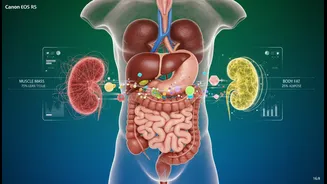
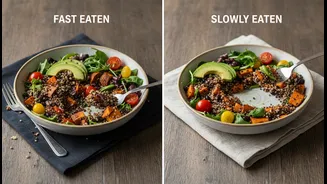
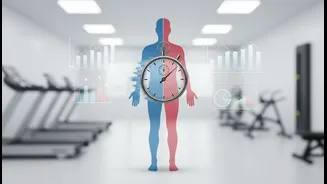
speed independently influences body composition. A notable study from Gujarat, India, found that fast eaters—defined as those taking fewer than 10 chews per bite—had significantly higher average Body Mass Index (BMI) and visceral fat percentages. This wasn't a minor difference; fast eaters were found to be 2.18 times more likely to have risky levels of visceral fat. This suggests that how we eat may be as crucial as what we eat.
The Gut-Brain Disconnect
The core of the issue lies in a communication delay between your stomach and your brain. It takes approximately 20 to 30 minutes for your digestive system to release hormones like leptin and peptide YY, which signal to your brain that you are full. When you eat quickly, you can easily consume more calories than you need before this satiety signal arrives. By the time a fast eater's brain gets the message, they may have already overeaten and are feeling uncomfortably full. Slower eating, on the other hand, allows this crucial feedback loop to function correctly, helping you recognise fullness and stop eating sooner, which can lead to consuming fewer calories overall.
The Link to Dangerous Visceral Fat
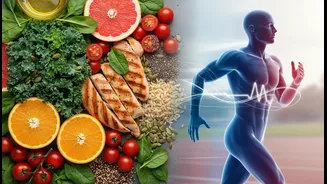
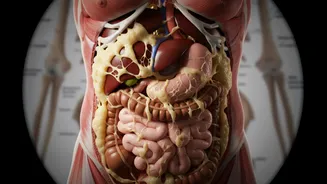
Perhaps the most alarming connection is between fast eating and visceral fat. Unlike the subcutaneous fat that lies just under the skin, visceral fat wraps around your internal organs, such as the liver and intestines. This type of fat is metabolically active and is a major driver of inflammation and insulin resistance. Studies have demonstrated a direct association between rapid eating and a larger visceral fat area. The Gujarat study highlighted that regular exercise did not appear to offset the metabolic consequences of eating too quickly, underscoring eating speed as an independent risk factor. This build-up of internal fat is linked to a higher risk of serious health issues, including metabolic syndrome, type 2 diabetes, and heart disease.
Beyond Weight Gain
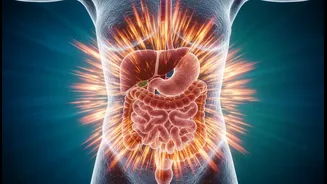
The consequences of speed-eating extend beyond just BMI and body fat. Eating too quickly can lead to a host of digestive problems. Swallowing food in large, poorly chewed chunks forces your stomach to work harder and can cause bloating, gas, and indigestion. It also increases the amount of air you swallow, which contributes to discomfort. Furthermore, digestion begins in the mouth, where saliva starts breaking down food. Rushing this process can lead to poorer nutrient absorption, meaning you might not get the full benefit of the healthy food you're eating. Over time, these habits can contribute to conditions like acid reflux and nonalcoholic fatty liver disease.
How to Consciously Slow Down
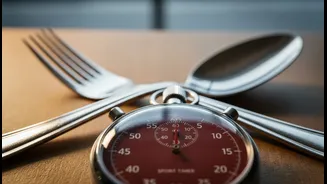
Slowing down your eating pace is a skill that can be learned with mindful practice. A great starting point is to set aside at least 20-30 minutes for each meal in a distraction-free environment. Turn off the television and put away your phone to focus on your food. Try to chew each bite thoroughly, aiming for 15 to 30 chews depending on the food. A simple but effective trick is to put your fork or spoon down between each mouthful. Taking sips of water during your meal can also help create natural pauses and aid in feeling full. By making these small adjustments, you can retrain your brain and body to appreciate a more leisurely, and ultimately healthier, pace.