


What is the New Visa Proposal?
At the 23rd India-ASEAN Summit in Manila on November 17, 2026, Prime Minister Narendra Modi announced a proposal to waive the government fee for electronic tourist visas for citizens of all member countries of the Association of Southeast Asian Nations
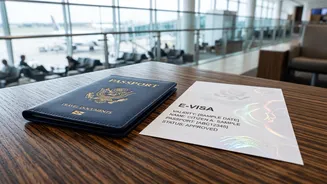
(ASEAN). This initiative is a cornerstone of India's 'Act East' policy, aimed at strengthening economic and people-to-people connections with the strategically important region. The goal is to make travel to India more accessible and affordable, thereby encouraging a significant increase in tourist arrivals from Southeast Asia. It is important to note this is a fee waiver for the e-visa, not completely visa-free travel; eligible tourists will still need to complete the online application process before their trip.
Which Countries Are Eligible?
The proposal covers all 11 member states of ASEAN, a major regional bloc. The countries set to benefit from this initiative are: Brunei, Cambodia, Indonesia, Laos, Malaysia, Myanmar, the Philippines, Singapore, Thailand, Timor-Leste, and Vietnam. This move aims to standardise India's visa policy across the bloc. Currently, a handful of these countries already enjoy some form of a free e-visa arrangement with India, but the new proposal seeks to create a uniform policy for all members.
Understanding the 'Free' Visa
While the proposal promises a 'free' e-tourist visa, it essentially means the government will waive its processing fee. Currently, the 30-day e-tourist visa fee for ASEAN citizens who have to pay ranges from US$10 to US$25, depending on the season, with longer-duration visas costing more. Citizens of Indonesia, Myanmar, Malaysia, the Philippines, and Thailand already benefit from a free 30-day e-visa. The new proposal would extend this benefit to the remaining six countries: Brunei, Cambodia, Laos, Singapore, Timor-Leste, and Vietnam. It remains unclear if the waiver will apply only to the 30-day visa or also to the one-year and five-year options. Travellers should also note that a small, non-refundable bank processing charge, typically around 3%, is usually applied to all e-visa transactions, even if the government fee is zero.
The Strategic Push for Tourism
This visa initiative is part of a broader strategy to unlock India's vast tourism potential. Inbound tourism is a significant driver of economic growth and job creation in India, contributing substantially to the country's GDP. However, industry experts have pointed out that complex visa rules can be a barrier to attracting more international visitors. In 2025, India received over 800,000 visitors from ASEAN countries, and this new policy is expected to push that number much higher. By simplifying entry requirements for a region with a large and growing middle class, India hopes to compete more effectively with other major tourist destinations in Asia. This move aligns with other recent efforts by the Indian government to streamline its visa system, including reducing the number of visa categories and simplifying application forms.
The Waiting Game: When Will It Launch?
Despite the high-profile announcement, the Indian government has not yet provided a timeline for the implementation of the free e-visa scheme. Official announcements have confirmed the proposal but have not specified a start date or the exact operational details. Questions about which visa validity periods will be covered and how many entries will be permitted are still unanswered. Tourism operators and potential travellers from ASEAN countries are now eagerly awaiting further clarification from Indian authorities. The implementation will require updates to the official e-visa portal and coordination between several government departments, a process that takes time. For now, the existing visa rules and fees remain in effect until a formal launch date is declared.