






What Exactly Are Functional Sips?
Step into any urban cafe today, and you'll notice the menu looks a little different. Alongside espresso and iced tea, you’ll find drinks labelled 'gut-friendly,' 'stress-relieving,' or 'immunity-boosting.' These are functional beverages: non-alcoholic
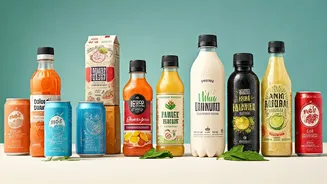
drinks fortified with ingredients that offer health benefits beyond simple hydration. [2, 9] Instead of just quenching thirst, these sips serve a secondary purpose, whether it's enhancing focus, aiding digestion, or providing a clean energy boost. [2] The category is broad, including everything from kombucha and protein-infused coffees to tonics featuring adaptogens—herbs that help the body manage stress. [2, 5] The core idea is convenience; consumers can get a wellness boost on the go, making it a perfect fit for a fast-paced urban lifestyle. [2]
The Wellness Generation Drives Demand
This trend is being driven squarely by health-conscious young Indians, particularly Gen Z and millennials. [2, 14] Having grown up with social media fitness content and a greater awareness of long-term health, this demographic is actively seeking out healthier alternatives to sugary sodas and drinks. [3] The post-pandemic era has intensified this focus on wellness, making immunity, nutrition, and mental well-being top priorities. [4] For this generation, a drink is no longer just a treat; it's a reflection of their lifestyle. [3, 14] Reports show that a significant percentage of young Indians now check for sugar content and nutritional claims before buying a beverage. [3] They want drinks that not only look good on Instagram but also make them feel good, without the subsequent energy crash associated with high-sugar options. [3, 4]
From Turmeric Lattes to Adaptogenic Brews
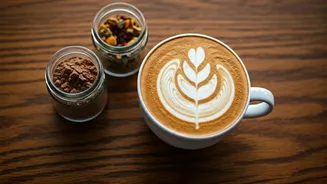
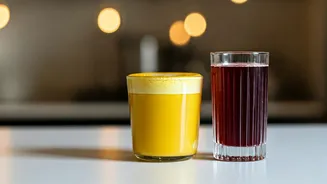
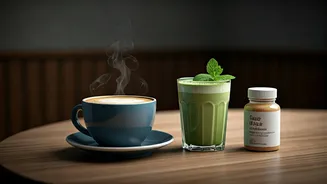
The ingredients at the heart of this trend blend ancient Indian wisdom with modern wellness science. Ayurvedic powerhouses like turmeric and ashwagandha are making a major comeback. [10, 21] Turmeric lattes, or 'golden milk,' are prized for their perceived anti-inflammatory properties, while ashwagandha is a popular adaptogen used for stress relief. [21, 20] Cafes are now serving these in modern, palatable formats. [19] Beyond traditional herbs, other functional ingredients are also gaining traction. Matcha, a powdered green tea rich in antioxidants, has evolved from a social media trend into a core cafe offering. [6, 15] Probiotic-rich kombucha is another star, sought after for its gut health benefits. [2, 6] Other popular additions include nootropics like L-theanine for focus and botanicals like lavender and chamomile for calm. [5, 15] These ingredients are being infused into coffees, teas, smoothies, and juices to create beverages that cater to a wide range of wellness needs. [2]
How Cafes Are Brewing the Trend
For cafes, functional beverages offer a way to attract and retain the discerning younger demographic. [2] While some cafes are introducing dedicated 'wellness' sections on their menus, others are subtly integrating functional ingredients into their standard offerings, like mushroom-infused coffee or low-acidity blends. [16, 6] The key is to offer these healthier options without compromising on taste, which remains a primary driver for consumers. [7, 5] Many cafes are also moving away from artificial syrups towards natural sweeteners and botanical pairings that let the base ingredient shine. [6] This shift allows cafes to position themselves as being aligned with their customers' health goals. [9] From specialty coffee shops in metros to larger chains, the adoption of functional sips signals a broader evolution in India's beverage landscape, moving from spectacle-driven drinks to more purposeful choices. [6, 3]