





The Joy of Naan, Demystified
Naan is a beloved leavened flatbread, traditionally baked in a clay tandoor oven, which gives it a unique combination of a soft, chewy interior and delightfully charred spots. Many home cooks feel intimidated, believing that without a tandoor, tawa, or pizza
oven, authentic results are out of reach. However, the truth is far more encouraging. With the right ingredients and a simple pan-frying technique, you can replicate the texture and taste that make naan the perfect companion to rich curries and dals. The secret lies not in specialized equipment, but in a well-prepared dough and understanding how to use high heat on your stovetop to create the signature bubbles and puff. This recipe breaks down the process, making it accessible for anyone to enjoy fresh, homemade garlic naan anytime.
Gathering Your Essential Ingredients
The magic of great naan begins with a few simple, yet crucial, ingredients. You likely have most of them already. You will need all-purpose flour (maida), which provides the structure. For leavening, this recipe uses baking powder and baking soda, which is a great alternative to yeast if you're short on time. A key ingredient for incredible softness and a subtle tangy flavour is plain yogurt; full-fat or Greek yogurt works best. You'll also need a little sugar to balance the flavours, salt, and a neutral oil or melted butter for richness in the dough. For the iconic garlic flavour, you'll need fresh garlic cloves, finely minced or grated, along with butter and fresh coriander or parsley for the final, irresistible flourish.
Crafting the Perfect Dough
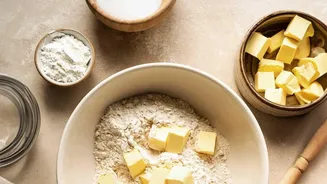
The heart of any great bread is the dough. Start by whisking together the dry ingredients: flour, baking powder, baking soda, and salt. In a separate bowl, mix your wet ingredients: yogurt, oil, and a little warm water. Create a well in the center of your dry ingredients and pour in the wet mixture. Combine everything until a soft, slightly sticky dough forms. Turn the dough onto a lightly floured surface and knead for about 5-8 minutes until it becomes smooth and elastic. The dough should still be a bit tacky—resist the urge to add too much extra flour, as a moister dough results in a softer naan. Place the dough in a greased bowl, cover it with a damp cloth, and let it rest in a warm place for at least one to two hours. This resting period is vital for developing flavour and allowing the gluten to relax, which makes the dough easier to roll.
The Skillet-to-Tandoor Technique
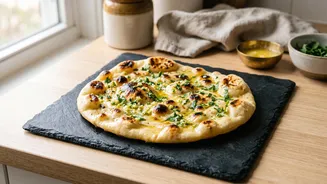
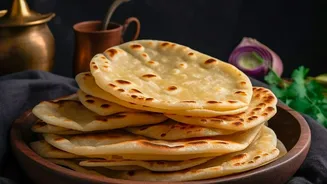
This is where your everyday frying pan becomes a stand-in for a tandoor. A heavy-bottomed pan, like a cast-iron skillet, is ideal because it retains heat well. Heat your dry skillet over medium-high heat until it's very hot; a drop of water should sizzle and evaporate instantly. Divide your rested dough into equal-sized balls. Working one at a time, roll a ball into an oval or teardrop shape, about ¼-inch thick. You can press some minced garlic and chopped coriander directly onto the surface of the rolled dough. For a classic technique, brush the back of the naan with a thin layer of water. Immediately place the naan, water-side down, onto the hot skillet. The water helps it stick to the pan, and the trapped steam helps it puff up. You’ll see bubbles start to form within a minute or two. Flip the naan and cook for another minute until both sides have golden-brown and slightly charred spots.
The Finishing Touch: Garlic Butter
A naan is not truly complete until it's glistening with garlic butter. While the naans are cooking, prepare this simple but essential topping. In a small saucepan, melt a few tablespoons of butter over low heat. Once melted, stir in finely minced fresh garlic and chopped fresh coriander or parsley. Let the garlic gently infuse into the butter for a minute without letting it brown. As soon as each naan comes off the hot skillet, brush it generously with the warm garlic butter. The heat from the bread will bloom the flavours of the garlic and herbs, creating an intoxicating aroma. The butter also adds flavour and helps keep the naan soft and moist. Keep the finished naans stacked and covered with a clean kitchen towel while you cook the rest; this traps the steam and ensures they stay wonderfully soft until you're ready to serve.