

The Spiritual Heart: Puja Essentials
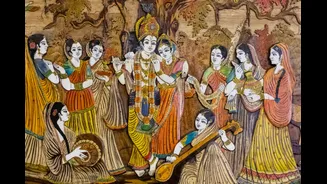
The puja is the centerpiece of the Janmashtami celebration, performed at midnight to mark Lord Krishna's birth. A simple home setup doesn't require much. The focus should be on creating a clean, serene space. You will need an idol or picture of Bal Krishna (the
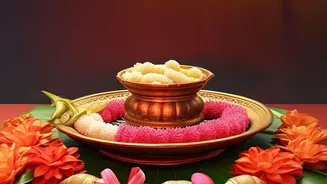
child form), which will be the focal point. A small cradle or 'jhula' is a traditional and symbolic piece, often rocked gently during the celebration. Other basic items for the puja thali include a diya (lamp), incense, sandalwood paste, kumkum, fresh flowers, and tulsi leaves, which are considered sacred to Krishna. To perform the ritual bathing (abhishek) of the idol at midnight, you will need Panchamrit—a mixture of milk, yogurt, honey, ghee, and sugar.
Sweet Offerings: Simple Prasad Favourites
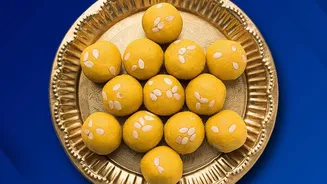
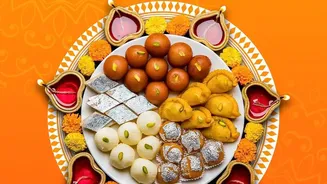
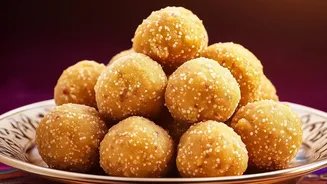
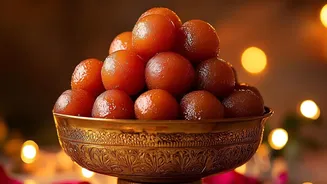
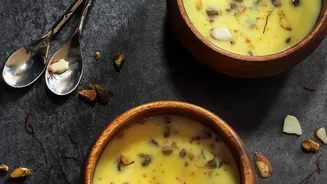
No celebration is complete without prasad, the food offered to the deity. While a grand 'Chappan Bhog' (56 dishes) is traditional in temples, a few simple, homemade sweets are perfect for a home celebration. The most essential is Makhan Mishri—freshly churned white butter mixed with rock sugar. This is believed to be Krishna's absolute favourite, harking back to his childhood antics as the beloved 'Makhanchor' or butter thief. Another key prasad is Panjiri. The Janmashtami version is often made with roasted coriander seed powder (dhaniya) instead of wheat flour, making it suitable for fasting. Mixed with ghee, powdered sugar, and dried nuts, it's a fragrant and energising offering. A simple kheer, or milk pudding, is also a wonderful addition that is easy to prepare.
Nourishing The Fast: Simple Vrat Foods
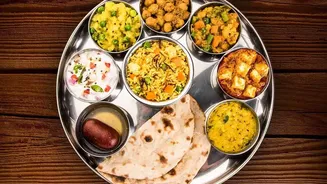
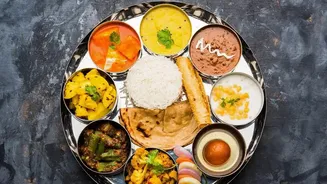
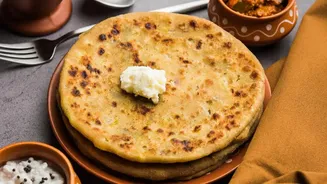
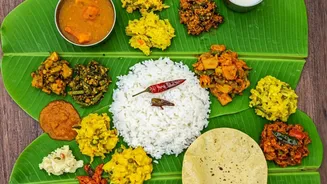
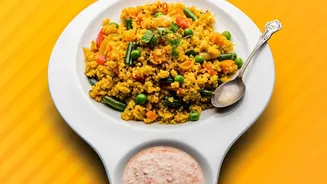
Many devotees observe a fast (vrat) on Janmashtami, breaking it only after the midnight puja. Fasting food, or 'falahar', excludes grains, lentils, onion, and garlic. Instead, the diet revolves around ingredients that are both nourishing and easy to digest. Sabudana (tapioca pearls) is a versatile favourite, often prepared as a simple khichdi with peanuts and potatoes, seasoned with rock salt (sendha namak). Flours like kuttu ka atta (buckwheat flour) and singhare ka atta (water chestnut flour) are used to make puris or rotis, typically served with a simple potato sabzi. For lighter options, roasted makhana (fox nuts), fresh fruits, and milk-based drinks like lassi or fruit shakes are excellent choices to maintain energy throughout the day.
The Festive Mood: Easy Home Decorations
Creating a festive atmosphere can be achieved with a few simple touches. The goal is to make the home feel welcoming for the divine guest. Fresh flower garlands, especially marigolds and jasmine, instantly brighten up the puja area and doorways. Traditional 'torans' made of mango leaves can be hung at the entrance. Lighting is key, especially for the midnight celebration. Arranging diyas (earthen lamps) or using fairy lights around the altar creates a warm, divine glow. A simple rangoli at the entrance, made with coloured powders or flower petals, is another beautiful tradition. One charming and easy idea is to create tiny footprints with rice flour paste, leading from the main door to the puja area, symbolising baby Krishna's arrival into your home.