






From Hustle to Hush
For years, the narrative of a successful evening was a story of hyper-productivity. It was about hitting the gym, meal-prepping for the week, answering leftover emails, and working on a side hustle. The goal was to maximise every waking minute. The slow
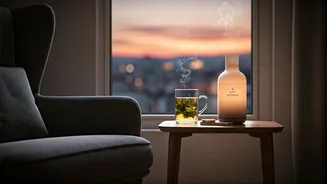
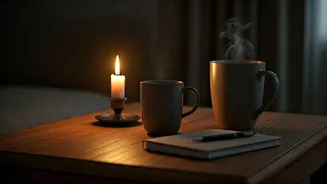
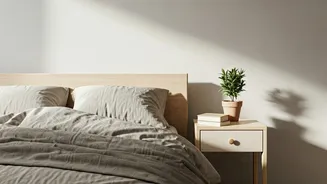
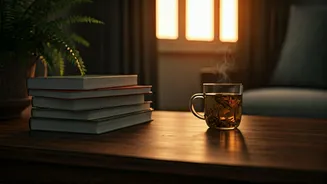
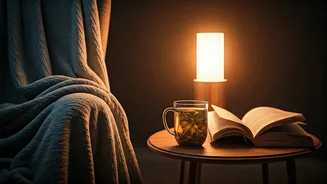
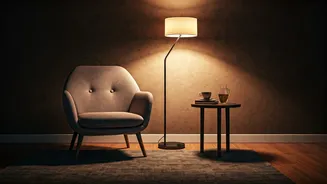
evening is a quiet rebellion against this ethos. It champions the art of winding down with intention, swapping frantic activity for restorative calm. Visually, it’s a world of soft lighting, steaming mugs of herbal tea, a well-loved book, and the soft scratch of a pen in a journal. It’s about creating a personal sanctuary after the demands of the day, signalling to your mind and body that it is time to rest, not just crash from exhaustion.
A Conscious Uncoupling from Burnout
The rise of the slow evening isn’t happening in a vacuum. It is a direct response to a culture of endemic burnout. After years of glorifying 'the grind', many are realising that constant striving comes at a steep cost to mental and physical health. The pandemic accelerated this awakening, blurring the lines between work and home and forcing a mass re-evaluation of our priorities. The slow evening trend is the practical application of this new mindset. It's a tangible way to reclaim boundaries. By consciously dedicating the last hours of the day to non-productive, non-digital, and deeply personal activities, people are drawing a firm line between their professional and personal selves. It’s less about laziness and more about self-preservation; a radical act in a world that often demands our constant availability and attention.
The Ingredients of a Slow Evening
So, what does a slow evening actually involve? It's less about a prescriptive checklist and more about a collection of principles. The first is 'sensory calm'. This means dimming harsh overhead lights in favour of lamps or candles, and swapping the blare of the news for calming music or the quiet of your own home. The second principle is 'digital sunset', the practice of putting phones and laptops away at least an hour before bed. This helps reduce exposure to blue light, which can interfere with melatonin production, and frees you from the endless scroll of social media and work notifications. In their place, people are embracing analogue activities: reading a physical book, gentle stretching, practising a multi-step skincare routine not as a chore but as a ritual, light tidying, or simply sitting and reflecting on the day without distraction. The key is intention—choosing activities that soothe rather than stimulate.
The Pressure to Perform Rest
Of course, whenever a wellness trend gains traction on social media, it risks becoming another form of performance. Critics rightly point out that the beautifully curated #slowevening posts—with their expensive candles, aesthetic pyjamas, and pristine living rooms—can create a new kind of pressure. The pressure to rest perfectly. It also highlights an element of privilege; having the time, safe personal space, and financial resources to create such a serene environment is not a given for everyone. The risk is that the pursuit of a slow evening becomes another item on the to-do list, another standard to live up to, thereby defeating its own purpose. The authentic goal of reclaiming rest can get lost in the curated aesthetic of it.