

The Problem of Plenty
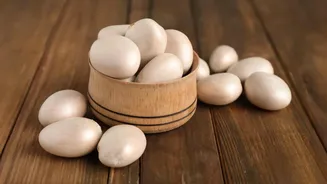
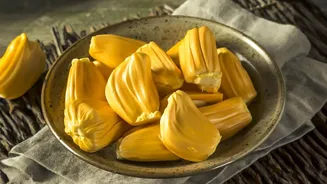
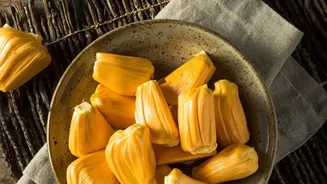
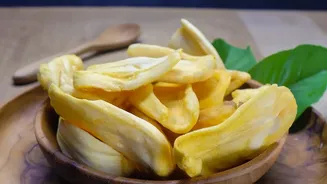
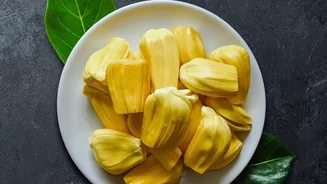
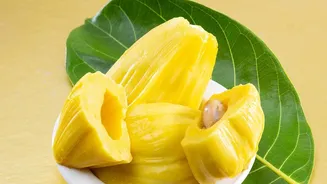
In India, the jackfruit is a beloved giant, celebrated for its sweet, fibrous flesh that doubles as a popular meat substitute. But for every fruit enjoyed, a significant number of seeds are left behind. Traditionally, these seeds might be boiled or roasted
in some regional cuisines, but on a commercial scale, they are often discarded, contributing to food waste. This is a classic case of overlooked value. While the world has fallen in love with jackfruit pulp, its seeds—nutritionally dense and full of potential—have been waiting for their moment. This is where the concept of upcycling enters the picture, turning a problem of waste into a sustainable solution.
From Discarded Seed to Super Flour
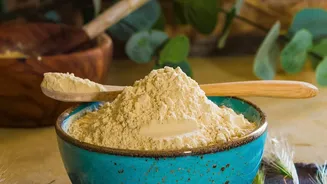
Upcycling in the food industry is about creatively using ingredients that would otherwise not go to human consumption. It’s a trend that aims to build a more sustainable and less wasteful food system. The process for jackfruit seeds is straightforward yet transformative. The seeds are cleaned, boiled or roasted to remove any anti-nutritional compounds, dried, and then ground into a fine, versatile flour. The result is a product that is not only naturally gluten-free but also packed with benefits that many other gluten-free flours lack. This simple transformation elevates a byproduct from the waste stream into a value-added ingredient, ready for the modern, conscious kitchen.
A Nutritional Powerhouse
One of the biggest challenges in gluten-free baking is nutrition. Many common gluten-free flours, like those from rice or tapioca, can be high in starch but low in protein and fibre. Jackfruit seed flour flips this script. It is impressively rich in protein, dietary fibre, and complex carbohydrates. Scientific analysis shows it has a higher protein content than many mainstream flours and is loaded with essential minerals like potassium, magnesium, and iron. It also contains beneficial B vitamins like thiamine and riboflavin. This robust nutritional profile means that baked goods made with it are not just safe for gluten-intolerant individuals, but are genuinely more nourishing for everyone.
The Performance in the Kitchen
For any flour to be successful, it has to perform well. This is where jackfruit seed flour truly shines and gets innovators excited. Gluten is the protein that gives traditional dough its structure and elasticity. Replicating that is the holy grail of gluten-free baking. Jackfruit seed flour has excellent functional properties, including good water and oil absorption, which helps it act as a natural binding agent. This results in baked goods that are less crumbly and retain moisture better—a common complaint with gluten-free products. Its flavour is described as mild and slightly nutty, meaning it can be used in both sweet and savoury recipes, from brownies and muffins to flatbreads and pasta, without overpowering other ingredients.
The Road Ahead
While the potential is enormous, the journey for jackfruit seed flour is just beginning. Innovators and small companies, including some in India and Sri Lanka, are pioneering its use in products like biscuits and flour mixes. However, like any new upcycled food, challenges remain. These include scaling up production, creating stable supply chains, and, most importantly, building consumer awareness and acceptance. People need to be educated on the benefits and reassured of the safety and quality of foods made from upcycled ingredients. As the demand for sustainable, healthy, and plant-based options grows, the story of the jackfruit seed is a compelling one that aligns perfectly with the future of food.