






Calculate the True Unit Price
A bigger package feels cheaper, but it isn't always. Before you commit, do the maths. The key is to calculate the price per unit (per kilo, per litre, or per item) to see if the bulk offer is genuinely a better deal. Sometimes, regular supermarket sales
on smaller packages can beat the wholesale price. Divide the total price by the quantity to find the unit cost. This simple step is the most important check to ensure you're actually saving money and not just falling for clever 'deal psychology'.
Honestly Assess Your Consumption Rate
Be realistic about how quickly your household actually uses an item. Buying a five-litre jar of mayonnaise is a waste if you only use it occasionally and it expires. Don't base your purchase on what you wish your family would eat, but on what they consistently consume. Avoid buying 'aspirational' items, like trendy health foods or new snacks, in large quantities. If you’re trying a product for the first time, always buy the smallest size available before committing to a bulk purchase.
Check the Shelf Life and Expiration Dates
This seems obvious, but it's a frequent misstep. Perishable items like fresh produce, dairy, and bread are risky bulk buys unless you plan to use or freeze them immediately. However, even shelf-stable products have a limited lifespan. Spices lose their potency, cooking oils can go rancid, and whole grains like brown rice can spoil faster than you'd think due to their natural oils. The same goes for non-food items; cleaning supplies and skincare products can lose their effectiveness over time.
Evaluate Your Storage Space
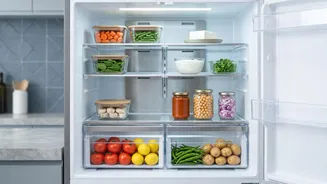
A great deal is useless if you have nowhere to store it properly. Before you even head to the store, know exactly where your bulk purchases will live. Proper storage is crucial for preserving quality. Items need a cool, dry, dark place away from heat and light to prevent spoilage. If you don't have adequate pantry or freezer space, the money you save on the purchase will be lost to clutter and waste. Overcrowded refrigerators and pantries can also lead to items being forgotten until they expire.
Invest in Proper Storage Containers
Original packaging is often designed for transport, not long-term storage. Paper flour bags absorb moisture, and thin plastic bags can be breached by pests. To protect your investment, repackage dry goods like rice, lentils, flour, and pasta into airtight containers. This not only keeps food fresh but also protects it from pests and humidity. For items you plan to freeze, like meat or vegetables, using a vacuum sealer can significantly extend their life and prevent freezer burn.
Factor in the Hidden Costs
The sticker price isn't the only cost. Consider the money tied up in buying large quantities of goods that you won't use for months. You might also need to buy new storage containers or even an extra freezer, which eats into your savings. Furthermore, membership fees for wholesale clubs are another expense to factor in; ensure your annual savings justify the cost. Finally, there's the cost of waste—if you throw even a portion of it away, the deal is undone.