



Why Your Wool Sweater Itches
That scratchy feeling isn't necessarily an allergy; it's often a mechanical irritation. Wool fibres are covered in tiny, microscopic scales. Coarser, thicker fibres don't bend easily when they press against your skin, causing them to poke and trigger
an itching sensation. This is often referred to as the 'prickle factor'. In rare cases, a true allergy to lanolin, the natural wax on sheep's wool, can be the culprit, but for most people, the itch is purely physical. Proper care can help smooth these fibres, making the garment feel much softer.
The Gentle Washing Process
Before you do anything, check the care label. If it says 'Dry Clean Only', trust the experts. For washable wools, hand-washing is the safest method. Use a basin of cool or lukewarm water—never hot, as it can cause irreversible shrinkage. Mix in a small amount of a mild, pH-neutral detergent specifically designed for wool. Regular detergents containing enzymes can break down wool fibres over time. Submerge the sweater, which you should turn inside out, and gently squeeze the water through it. Avoid harsh rubbing or agitation. Let it soak for about 15-20 minutes before rinsing thoroughly with water of the same temperature to avoid shocking the fibres.
The Secret to Softness: Conditioner and Vinegar
This is the game-changing step for reducing itch. After washing, you can treat your sweater much like you would treat hair. Wool is a protein fibre structurally similar to human hair, so a hair conditioner can work wonders. After rinsing out the detergent, gently massage a small amount of an inexpensive hair conditioner into the fibres and let it sit for about 30 minutes. This helps to smooth and flatten the tiny scales on the wool. Another effective method is using distilled white vinegar. Adding a few tablespoons to the final rinse water helps dissolve any leftover soap residue and softens the fibres. After either treatment, rinse the garment thoroughly with cool water.
Drying and Storing Your Woollens
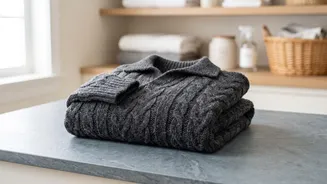
Never wring out or hang a wet wool sweater, as the weight of the water will cause it to stretch and lose its shape. Instead, gently squeeze out excess water and lay the sweater flat on a clean, dry towel. Roll the towel and sweater up together like a swiss roll, pressing firmly to absorb more moisture. Then, unroll it and lay the sweater flat on a fresh dry towel or a mesh drying rack, away from direct sunlight or heat. Once completely dry, store your woollens folded in a cool, dry place. Hanging sweaters can cause the shoulders to stretch and droop. For longterm summer storage, ensure the garments are clean to deter moths, which are attracted to dirt and body oils, and place them in a breathable cotton bag or a sealed container with cedar or lavender.
A Surprising Final Step: The Freezer
For particularly stubborn sweaters, an unconventional trick can provide extra relief. Once the sweater is completely dry, place it in a sealable plastic bag and pop it in the freezer overnight. The cold temperature helps to lock down the short, scratchy fibres that tend to stick out and cause irritation. After removing it from the freezer, let it come back to room temperature before wearing. While it may seem odd, this step can make a noticeable difference in the comfort level of a prickly wool garment.