





India's ambitious Mumbai-Ahmedabad bullet train project is fast becoming a reality. The National High Speed Rail Corporation (NHSRCL) has confirmed that the first section to become operational will be the crucial Surat-Vapi corridor in Gujarat.
A Landmark Timeline for Indian Railways
The dream
of high-speed rail in India is set to materialize in the last quarter of 2027, with the government officially announcing the Surat-Vapi section as the inaugural route for the nation's first bullet train service. According to Railway Minister Ashwini Vaishnaw, this phased approach allows for a practical and swift rollout, prioritising sections where construction is most advanced. While the full 508-kilometre Mumbai-Ahmedabad corridor remains the ultimate goal, launching this initial stretch represents a significant proof of concept and a critical milestone. Recent progress has been rapid, with major civil construction at all eight stations in Gujarat now complete and finishing work underway. Furthermore, a key 50-km stretch between Surat and Bilimora recently had its overhead electrical systems energised, a vital step paving the way for future testing.
The Strategic Choice: Why Surat-Vapi First?
The decision to prioritise the Surat-Vapi corridor is a strategic one, rooted in practical advantages and regional importance. A significant factor has been the smoother and faster progress of land acquisition and construction within Gujarat compared to the challenges faced in Maharashtra. These delays, compounded by the COVID-19 pandemic, meant that serious, full-scale construction on the project only began in earnest in 2021. The Surat-Vapi-Bilimora belt in southern Gujarat is a powerhouse of industrial activity, home to major textile, diamond, and chemical industries. By connecting these hubs with high-speed rail, the project aims to supercharge economic activity, making it easier for professionals, clients, and suppliers to move between these key commercial centres. This initial launch will serve as a live test case, helping to understand operational challenges on a smaller scale before the entire corridor to Mumbai is completed.
On-the-Ground Progress and Indigenous Trains
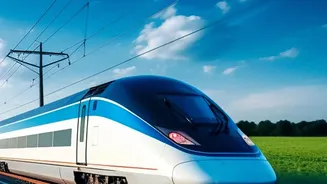
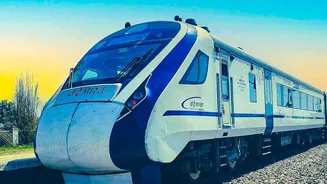
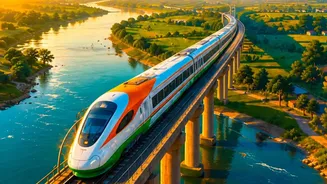
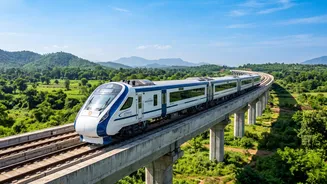
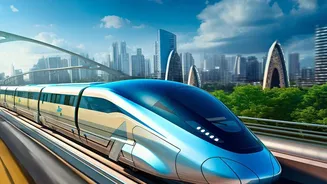
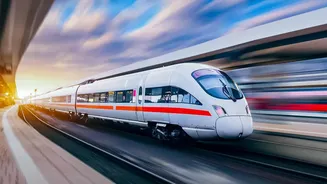
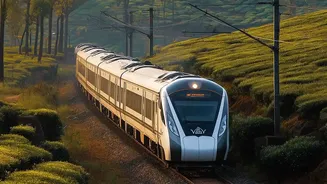
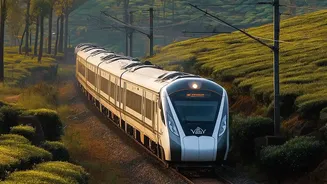
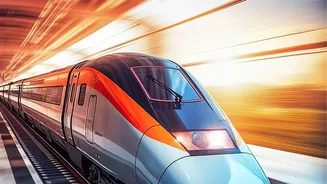
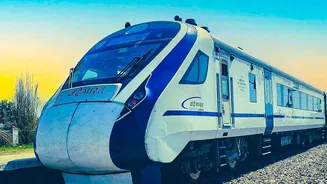
The physical progress on the ground is substantial. As of late 2026, pier work has been completed across 456 kilometres and viaducts—the elevated structures the train will run on—have been laid for over 371 kilometres. Civil works for stations including Vapi, Bilimora, Surat, and Bharuch are already complete. A significant part of this national project is the push for self-reliance. India is manufacturing its own indigenous bullet trains, with the B28 trainset designed for speeds of up to 280 kmph. These trains are being built by Integral Coach Factory (ICF) and BEML, with the first body frame already complete and undergoing structural testing. Track trials for these Made-in-India trains are expected to begin by mid-2027, aligning perfectly with the launch timeline for the Surat-Vapi section.
Economic Ripples and Future Connectivity
The impact of the bullet train extends far beyond just reduced travel times. The high-speed link is expected to create an integrated economic corridor, effectively bringing cities like Surat, Vapi, and eventually Mumbai, closer together. This increased connectivity is already creating a buzz in the real estate sector, with emerging cities like Vapi transforming from purely industrial towns into attractive residential destinations for professionals and families. The project is not just about passenger convenience; it's a catalyst for regional development. By linking manufacturing hubs with India's financial capital, the corridor is expected to support business expansion, boost tourism, and generate significant direct and indirect employment. The entire 508-km line, designed for operating speeds of 320 kmph, will eventually cut the journey time between Mumbai and Ahmedabad to around two hours.