


What Makes the Queen So Royal?
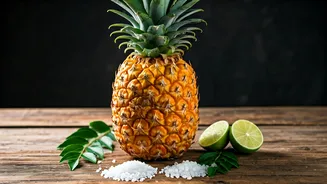
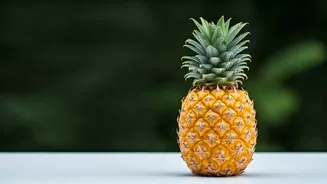
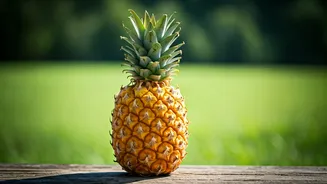
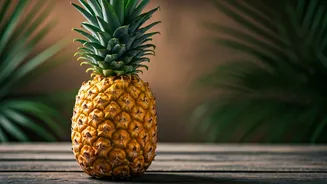
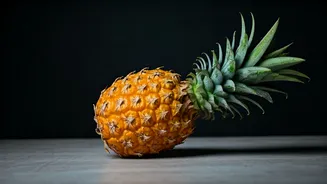
Hailing from the hilly terrains of Tripura, the Queen Pineapple is not your average tropical fruit. Recognised with a Geographical Indication (GI) tag in 2015, this variety is celebrated for its exceptional quality and unique characteristics directly
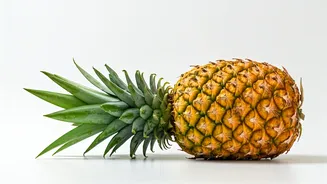
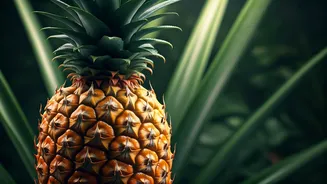
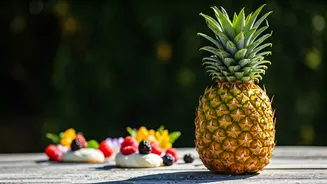
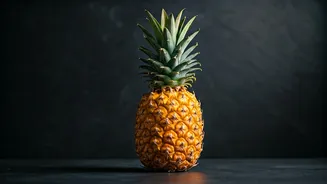
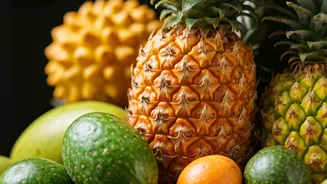
linked to its origin. Unlike the larger, more common Kew or Cayenne varieties, the Queen is smaller, with a striking golden-yellow hue, a delightfully crisp texture, and a pleasant aroma. What truly sets it apart is its remarkable sweetness and lower acidity. This means it lacks the sharp, sometimes mouth-puckering tartness of other pineapples. Furthermore, its core is tender and edible, which means less waste and more fruit to enjoy. Many of these pineapples are grown with minimal to zero chemical fertilisers, relying on the region's ample rainfall and fertile soil.
A Superior Choice for Fresh Preparations
While most pineapples are delicious, their fibrous nature and high acidity can sometimes be a drawback. The Queen Pineapple’s firm, crisp flesh doesn't break down or become watery, making it a stellar ingredient for fresh applications. In blind taste tests, it is often praised for a texture that some describe as a cross between a pineapple and a pear. This unique crispness provides a satisfying crunch in salads and salsas that other varieties simply can't match. Its natural, honey-like sweetness means you can often use less sugar in recipes, allowing the pure flavour of the fruit to shine through. This makes it an ideal choice for anyone looking to add a touch of natural elegance to their dishes without overwhelming them with tartness.
Upgrade Your Chaat and Salads
One of the simplest ways to appreciate the Queen Pineapple is in a classic Indian chaat. Its firm texture holds up beautifully when tossed with spices. Dice the pineapple and mix it with a pinch of black salt (kala namak), roasted cumin powder, a sprinkle of chaat masala, and finely chopped mint leaves. The fruit's inherent sweetness perfectly balances the tangy and savoury spices, creating a refreshing snack that’s ready in minutes. For a more elaborate salad, combine cubes of Queen Pineapple with cucumber, red onion, and a light lime-based vinaigrette. Its crispness provides a wonderful contrast to the softer vegetables.
The Perfect Partner for Savoury Dishes
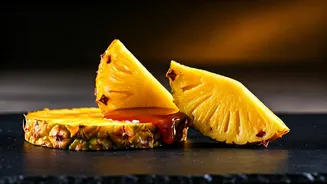
The Queen Pineapple’s robust structure makes it excellent for cooking, especially grilling. Lightly grill thick slices and serve them alongside grilled paneer, chicken, or fish. The heat caramelises the natural sugars, intensifying the pineapple’s sweetness while adding a smoky dimension. It's also a fantastic addition to savoury rice dishes. Try making a pineapple fried rice by adding small chunks of the fruit towards the end of cooking. Unlike softer varieties that can turn mushy, the Queen Pineapple retains its bite, adding bursts of sweetness throughout the dish. Its low acidity also makes it a great ingredient for a Thai-inspired prawn and pineapple curry, where it complements the rich coconut milk without making the sauce too sour.
Create More Flavourful Drinks and Desserts
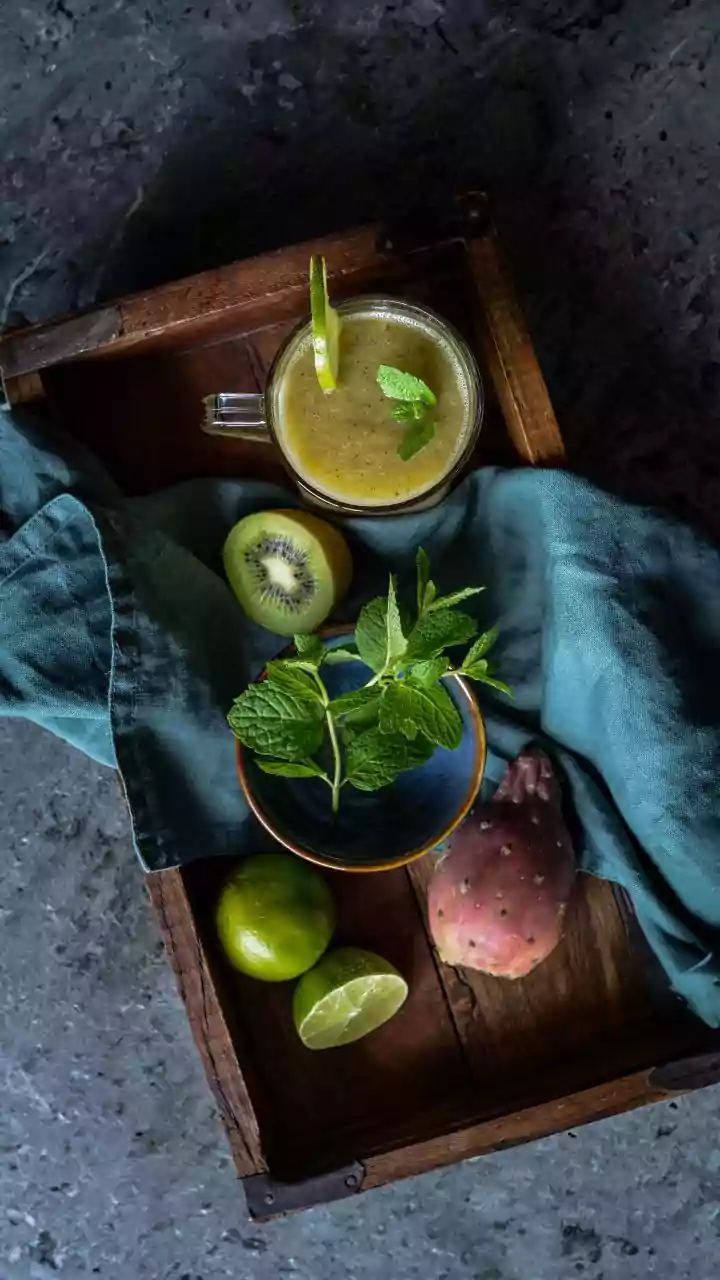
The natural high sugar content and fragrant aroma of the Queen Pineapple make it a star in beverages and desserts. For a simple, refreshing drink, blend the fresh pineapple with mint leaves and a splash of lime juice for a vibrant mocktail. Its low acidity ensures the drink is smooth and not overly sharp. In desserts, this pineapple truly shines. Because it's so sweet on its own, you can create healthier treats with less added sugar. Try making a simple pineapple sorbet or a pineapple upside-down cake where the fruit's flavour is the main event. Its firm flesh holds its shape perfectly when baked, providing a beautiful presentation and a delicious, concentrated flavour.