


Meet the Orionids
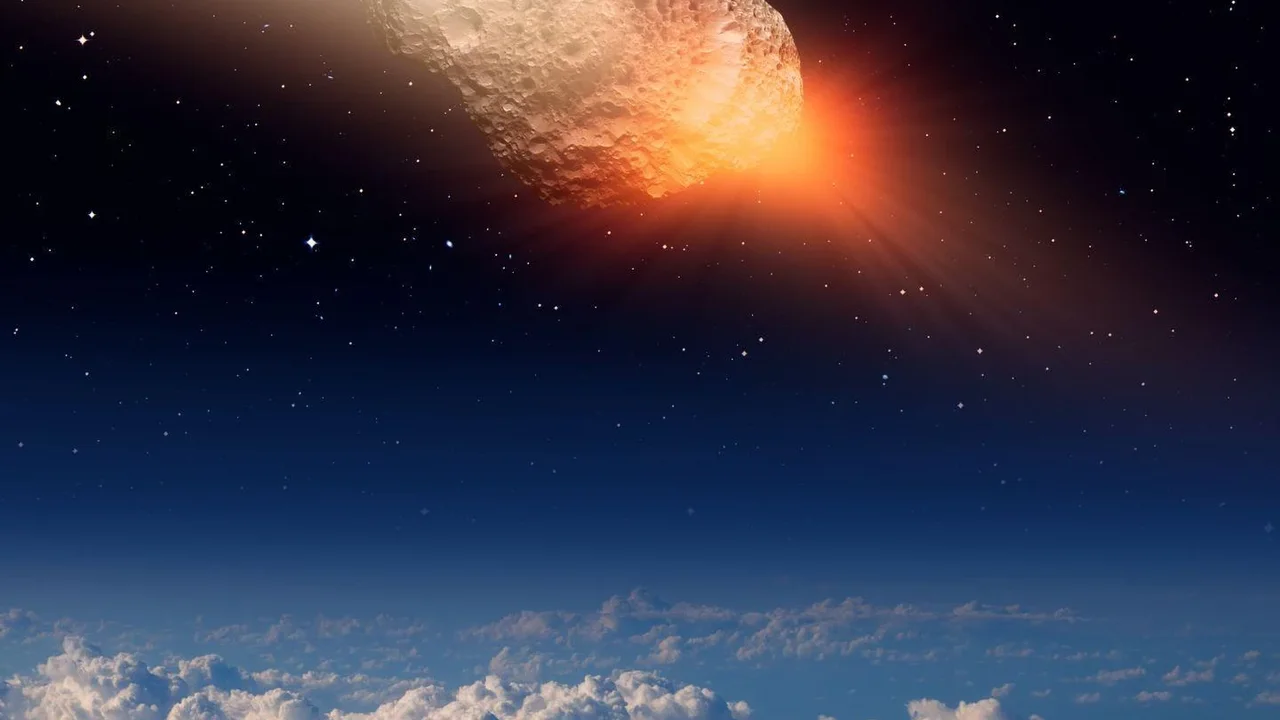
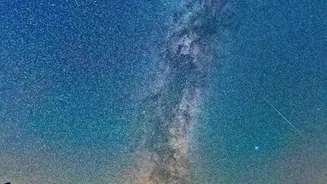
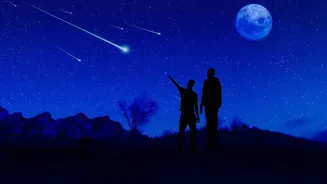
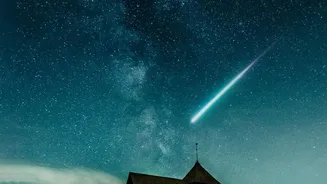
The Orionid meteor shower is one of the most beautiful celestial events of the year, known for its fast and bright meteors. These shooting stars are actually tiny pieces of debris left behind by none other than Halley's Comet. Each October, as Earth passes
through this trail of cosmic dust, the particles burn up in our atmosphere at incredible speeds—about 66 kilometres per second—creating dazzling streaks of light across the night sky. These fast meteors can sometimes leave glowing trails, called trains, that last for several seconds, and particularly bright ones are known as fireballs. This makes them an exciting target for skywatchers.
Mark Your Calendar for Peak Viewing
Timing is everything. The Orionids are active from early October to early November, but the best time to watch is during the peak. For 2026, the shower is expected to peak on the night of October 21-22. The most spectacular display will be in the hours after midnight and before dawn. In 2026, a bright moon will be present during the early part of the night but will set around 3 a.m., creating a perfect window of dark skies until dawn. So, set your alarm for the early morning hours to catch the best show.
Finding Your Urban Observatory
The biggest challenge in any city is light pollution. To give yourself the best chance, you need to find the darkest possible spot with the widest view of the sky. A rooftop is a great start, as it gets you above the immediate glare of streetlights. Parks, open fields, or even a quiet suburban street with fewer lamps can also work. The key is to get away from direct sources of light. If you can, try to position a building or a tall tree between you and the brightest lights to create a shadow. Every little bit of darkness helps your eyes see more of the sky.
Let Your Eyes Adapt to the Dark
This might be the most important—and most overlooked—tip. Your eyes need time to adjust to the darkness. It takes about 20 to 30 minutes for your pupils to fully dilate and for you to start seeing fainter stars and meteors. During this time, you must avoid looking at any bright screens. Put your phone away, or if you must use it, switch it to its red-light or night mode. White or blue light from screens will instantly reset your night vision, and you'll have to start the adaptation process all over again. Patience is your best friend here.
Knowing Where to Look
The meteors are called Orionids because they appear to radiate from a point in the sky near the constellation Orion. You can find Orion by looking for its famous three-star belt. The radiant point is just north of the bright reddish star Betelgeuse, which marks Orion's shoulder. However, you don't want to stare directly at this point. The best strategy is to look about 45 to 90 degrees away from the radiant. Meteors will appear longer and more dramatic from this perspective. Lie back on a blanket or a comfortable chair, and simply look up, taking in as much of the sky as possible. The meteors can appear anywhere.
What to Bring (and What to Leave Behind)
The beauty of meteor watching is its simplicity. You don't need a telescope or binoculars; in fact, they are a hindrance because they restrict your field of view. The best tools are your own eyes. What you should bring is comfort. A warm blanket or a sleeping bag, a reclining lawn chair, and some warm drinks and snacks will make the experience much more enjoyable. Dress in layers, as even on a mild night, you can get chilly sitting still for a long time. The goal is to be comfortable and patient as you wait for the cosmic show to unfold above you.