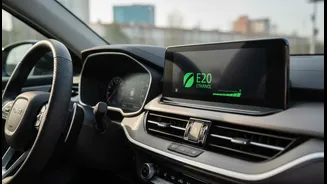





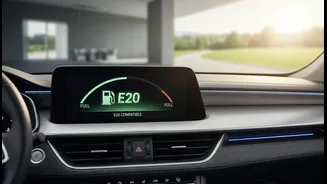




What is E20 Fuel?
E20 is a blend of petrol with 20% ethanol, an alcohol-based biofuel typically made from agricultural products like sugarcane and maize. The Indian government is actively promoting its use, making E20 the new standard petrol across the country. The primary
goals are to reduce India's reliance on expensive imported crude oil, lower vehicle emissions, and boost the agricultural economy by creating a new market for farmers. Since April 2023, virtually all major manufacturers in India began producing vehicles that are compatible with this new fuel blend.
The Running Cost Calculation
For a young buyer, the total cost of ownership is just as important as the sticker price. While E20 fuel is not necessarily cheaper to buy at the pump, the government's policy aims to create long-term price stability and insulate motorists from volatile global oil prices. A key point of discussion is mileage. Since ethanol contains less energy than petrol, using E20 fuel can lead to a slight reduction in fuel efficiency, typically in the range of 5-10%. However, the government and auto-makers suggest that in modern, E20-optimised cars, this drop is marginal. For a budget-conscious owner, this small trade-off is part of a larger national strategy to keep fuel costs from skyrocketing during global crises.
No Compromise on Choice
A major advantage for today’s young car buyers is the wide availability of E20-compatible models. You are not forced to choose a specific type of car to benefit from this transition. India's largest carmakers, including Maruti Suzuki, Hyundai, and Tata Motors, have made their entire mass-market portfolios E20-compliant since 2023. This means popular entry-level and mid-range models like the Maruti Suzuki Swift, Hyundai i20, Tata Punch, and many more are ready for E20 fuel right out of the showroom. This ensures that whether you're buying a hatchback, a compact SUV, or a sedan, your new vehicle is already aligned with the country's fuel future.
Future-Proofing Your Investment
Choosing an E20-compatible car is a smart move for the long term. As the government continues to push for higher ethanol blends, having a compliant vehicle becomes a significant asset. It ensures you will have no trouble finding fuel, as E20 is now the standard and older fuel grades like E10 or pure petrol are being phased out to streamline logistics. Furthermore, owning a vehicle that meets the current fuel standard could positively impact its resale value. As the car parc ages, models that are not fully compliant with the prevailing fuel type may be seen as less desirable, giving your E20-ready car an edge in the second-hand market.
A Greener Footprint
For many young people, the environmental impact of their choices matters. The shift to E20 fuel offers a tangible way to contribute to a cleaner environment. Ethanol burns more cleanly than pure petrol, resulting in lower emissions of carbon monoxide and other harmful pollutants. By opting for an E20-compatible car, a young buyer is not only making a financially sound decision but also adopting a more sustainable mode of personal transport. It allows you to reduce your carbon footprint without needing to stretch your budget for an electric vehicle, making green driving more accessible to a wider audience.