

A Knight's Homecoming
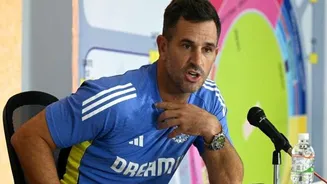
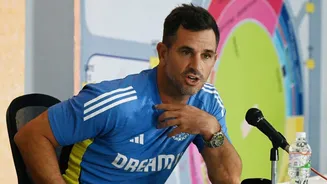
Ryan ten Doeschate, a beloved figure in Kolkata Knight Riders folklore, has rejoined the franchise in a newly created global position as Head of Cricket Strategy. The move came just a day after his tenure as an assistant coach for the Indian men's cricket
team concluded. Handpicked by India's head coach Gautam Gambhir, ten Doeschate had a two-year stint with the national side. His return to KKR, however, is more than just a simple homecoming. It marks a significant reinforcement of the bridge being built between the three-time IPL champions and the national team's think tank. A key player in KKR's 2012 and 2014 title wins and part of the coaching staff for their 2024 triumph, his appointment signals a strategic alignment across the Knight Riders' global network, a vision he is now tasked with implementing.
The Gambhir Axis
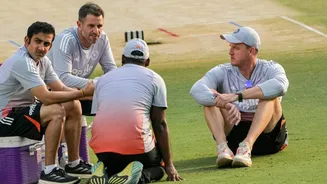
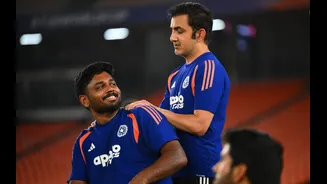
The central figure in this interconnected web is Gautam Gambhir. His journey from KKR's two-time IPL winning captain to their title-winning mentor in 2024, and then to the head coach of Team India in July 2024, forms the primary connection. Gambhir’s success in revitalizing KKR, instilling a culture of aggressive and fearless cricket, made him the frontrunner to succeed Rahul Dravid. Upon taking the national reins, Gambhir brought in trusted aides from his KKR setup, including ten Doeschate, to replicate the successful formula on the international stage. This established a direct pipeline of personnel and philosophy flowing from the KKR dugout to the Indian dressing room, with Gambhir as the undeniable architect of both structures.
The Nayar Network
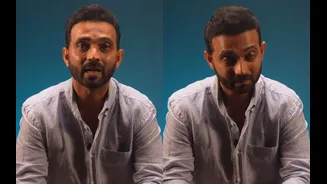
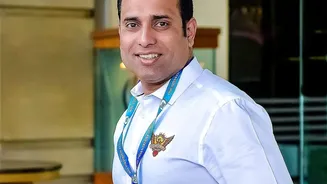
Beyond Gambhir, another crucial link is Abhishek Nayar. In October 2025, Nayar was appointed as KKR's new head coach, succeeding Chandrakant Pandit. Nayar, an integral part of the KKR setup since 2018, is renowned for his work as a mentor and skills coach, personally guiding numerous Indian stars like Rohit Sharma, KL Rahul, and KKR's own Rinku Singh. Like ten Doeschate, Nayar also had a spell as an assistant coach with the Indian team under Gambhir before returning to helm KKR. His deep involvement with both the franchise's grassroots academy and India's top players makes him a vital node in this network. His ability to groom talent for KKR directly benefits the pool of players available and conditioned for the national team's demanding environment.
A Shared Philosophy?
This significant overlap raises an important question: are we witnessing the emergence of a unified cricketing philosophy across India's premier T20 franchise and its national team? The movement of key personnel like Gambhir, Nayar, and ten Doeschate suggests a deliberate strategy. The pros are obvious: players moving between KKR and Team India find a consistent environment, familiar faces, and a clear tactical message. It creates a seamless pathway where the high-pressure, high-stakes culture of a successful IPL team becomes the training ground for international success. However, it also carries the risk of creating an echo chamber, potentially limiting the diversity of thought and tactical approaches within the national setup. While the KKR-India connection has yielded trophies, including the 2025 Asia Cup and the 2026 T20 World Cup, its long-term impact on Indian cricket will be a fascinating storyline to watch.