





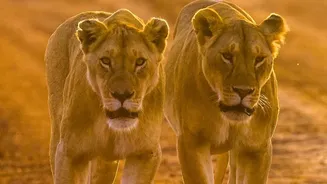
Why Barda is a Beacon of Hope
The story of the Asiatic lion is one of India's greatest conservation successes. From the brink of extinction, the population has grown steadily, but this success has a challenge: nearly all wild lions live in one place, the Gir landscape. This concentration
puts the entire species at risk from a single event, like a disease outbreak or a natural disaster. A 2018 Canine Distemper Virus outbreak that killed 28 lions in Gir was a stark reminder of this vulnerability. To create an 'ecological insurance policy', Barda Wildlife Sanctuary, about 100 km from Gir, was identified as the ideal second home. This move, part of the national 'Project Lion', aims to establish a geographically separate, healthy population to safeguard the species' future.
Science in the Sanctuary: Tracking Every Move
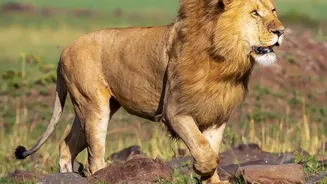
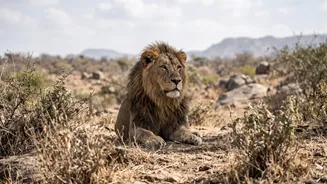
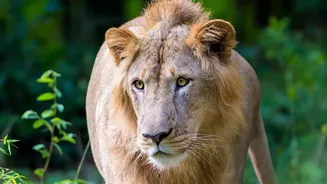
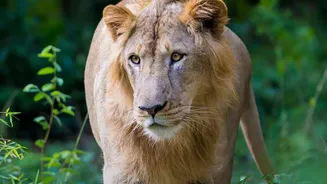
The return to Barda began in January 2023 when a lone male lion naturally dispersed into the area. This was followed by the strategic introduction of five females by the Gujarat Forest Department to create a founding population. To understand how these pioneers are adapting, researchers are conducting a detailed scientific study. Six lions have been fitted with radio collars, which have generated over 169,000 GPS locations between January 2023 and July 2025. This immense dataset allows scientists to map their movements, understand their habitat preferences, and observe how they establish territories and social groups. The study, titled 'Beyond Gir: Barda Wildlife Sanctuary as a Potential Stronghold for Asiatic Lions', confirmed the lions are settling in, preferring mixed forests and grasslands and establishing distinct home ranges.
The Critical Prey Puzzle
A lion is only as secure as its next meal. A crucial part of the research focuses on Barda’s prey base. For a predator population to be self-sustaining, there must be enough wild prey animals to hunt. Initial studies revealed that the prey availability in Barda was relatively low, with the lions relying heavily on wild pigs. Scat analysis showed that wild pig made up 55% of their diet, supplemented by some domestic cattle at 17%. To address this, the Forest Department has been actively working to increase the prey population. Since 2007, hundreds of sambar and spotted deer (chital) have been released from captive breeding programs. In 2025-26 alone, 441 chitals were translocated from Gir to bolster the numbers in Barda. The goal is to build a robust and diverse prey base, reducing the lions' dependence on livestock and minimising potential conflict with local human populations.
Early Success and the Path Forward
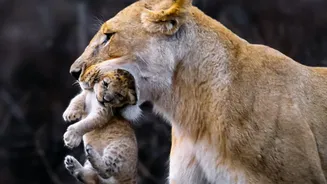
The early results are promising. As of October 2026, the Barda lion population has grown to 17 individuals, including six adults and eleven cubs born in the sanctuary. This natural breeding is a strong indicator that the lions are adapting well to their new environment. The research has confirmed that Barda has the suitable habitat and conditions to support a long-term lion population. However, conservation is an ongoing effort. Proactive management, including habitat restoration, continued prey augmentation, and community involvement, will be essential. The government has also strengthened monitoring with full-time lion trackers and rapid response teams to manage any human-wildlife conflict. Ecotourism initiatives have also been launched, providing livelihoods for local communities and giving them a stake in the project's success.