






The Driving Forces Behind the Hikes
Automakers across the board are pointing to a familiar set of challenges that are forcing their hands. The primary reason cited is the sustained increase in input and commodity costs. This refers to the rising prices of essential raw materials like steel,
aluminum, and copper, which are fundamental to vehicle manufacturing. Beyond raw materials, manufacturers are also grappling with higher operational and logistics expenses. Some carmakers have also pointed to geopolitical and macroeconomic uncertainties, which can affect supply chains and currency values, making imported components more expensive. This isn't a new phenomenon; the industry has been facing these pressures for a couple of years, leading to a new trend of multiple price revisions within a single year, rather than the traditional annual adjustment. Automakers state that while they try to absorb a portion of these rising costs, they are now compelled to pass some of the burden onto customers.
Which Brands Are Getting Pricier?
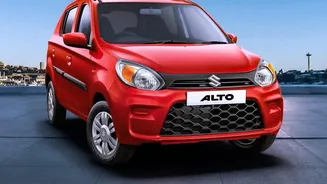
The latest round of price revisions involves some of the biggest names in the Indian market. Tata Motors announced an increase of up to ₹25,000 across its entire passenger vehicle portfolio, affecting both petrol/diesel (ICE) and electric (EV) models, effective from September 1, 2026. Similarly, Hyundai Motor India will be increasing prices by up to 1% from September, which marks its third price adjustment in 2026. This will impact popular models from the Grand i10 Nios to the Creta and Tucson. Maruti Suzuki, the country's largest carmaker, already implemented a price hike of up to ₹30,000 in August 2026, its second increase in a few months. These three join others like Mahindra & Mahindra, which raised prices in July, and luxury brands such as BMW, which also adjusted prices earlier in the year, signalling a widespread industry trend.
What This Means for Your Wallet
While a 1% or 2% hike might sound small, it can translate to a significant amount, especially on higher-priced vehicles. For a car with an ex-showroom price of ₹8 lakh, a 1% increase means an additional ₹8,000. For an SUV priced at ₹15 lakh, the same 1% hike adds ₹15,000 to the sticker price. A flat increase, like the up to ₹25,000 announced by Tata Motors, will have a more noticeable impact on entry-level models. It's important to remember that this increase is on the ex-showroom price. The final on-road price will be even higher, as costs like registration, road tax, and insurance are often calculated as a percentage of the ex-showroom price. Therefore, a hike in the base price has a cascading effect on the total amount you pay.
A Smart Buyer’s Guide to Navigating the Market
Facing rising prices doesn't mean you have to abandon your dream of a new car. With a strategic approach, you can still secure a good deal. First, consider booking your car before the announced hike date. Many dealerships honor the pre-hike price for bookings made before the new prices become effective, though this depends on their individual policies. Secondly, inquire about existing inventory. Dealers might be willing to offer discounts on vehicles manufactured before the price revision to clear out old stock. Don't underestimate the power of negotiation. While the ex-showroom price is less flexible, you can often negotiate on other aspects like insurance, accessories, and handling charges. Getting insurance quotes from outside providers can give you a strong bargaining chip, as dealer insurance is often marked up. Finally, evaluate your options. If the new price pushes your preferred model out of budget, look at a lower variant or consider a certified pre-owned vehicle, which can offer better value. Keep an eye out for festive season offers, as they might help offset a portion of the price increase, although their impact might be less this year.