








Gear Up: Your Personal Rain Shield
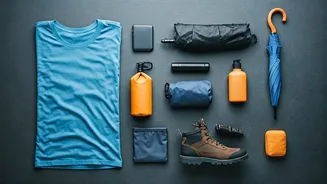
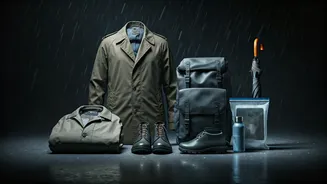
Staying dry is not just about comfort; it's about safety. A good quality, breathable rain jacket is your first line of defence. Look for options with taped seams and a minimum waterproof rating of 5,000mm to withstand Indian downpours. While many jackets
are available, some are specifically designed for bikers with a longer back and pre-curved arms for a better fit while riding. Complement this with waterproof over-pants and shoe covers to keep your lower body and feet dry. Saturated clothing, especially heavy fabrics like denim, can restrict movement and make a ride miserable and unsafe. A cycling cap worn under your helmet is also a great addition to keep rain from dripping into your eyes.
Be Seen: Mastering Visibility
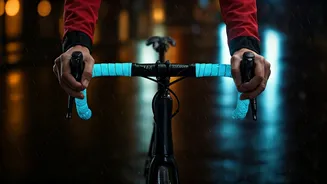
In the grey, rainy conditions of the monsoon, your visibility to motorists drops significantly. This makes a powerful set of bike lights non-negotiable, even during the day. Use a bright, flashing light at the rear and a steady one at the front to pierce through the gloom. Supplement your lights with high-visibility and reflective clothing. Neon green or orange jackets, and reflective ankle or armbands, dramatically increase your chances of being seen by other road users, whose own vision might be impaired by rain on their windshields.
Equip Your Bike: Fenders Are a Must
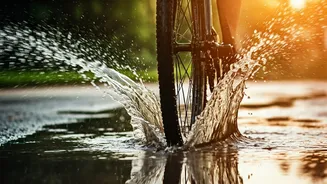
One of the most effective upgrades for monsoon cycling is a pair of full-coverage mudguards, or fenders. They are essential for preventing the spray of muddy, grimy water from the road from soaking you, your face, and the cyclist behind you. This not only keeps you cleaner and drier but also protects your bike's components, particularly the drivetrain, from abrasive grit and corrosive moisture. Many modern bikes come with the necessary mounting points, but clip-on versions are available for almost any bike.
Control Your Ride: Tyres and Brakes
Wet roads significantly reduce traction. To counteract this, consider slightly lowering your tyre pressure by about 10-15 PSI from your usual setting. This increases the tyre's contact patch with the road, providing a better grip. Also, be aware that your braking power can be reduced in wet conditions. Always apply your brakes earlier and more gently than you would on a dry day to avoid skidding. Regularly inspect your brake pads for wear, as the grit from wet roads can wear them down faster.
Protect Your Gear: Waterproof Storage
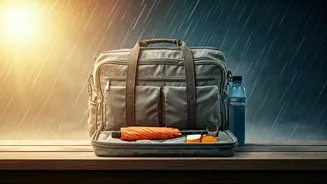
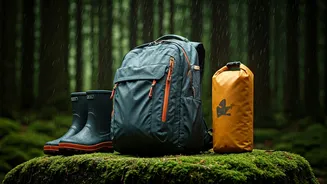
Protecting your personal belongings is crucial. A waterproof backpack or pannier bag is the best way to keep your electronics, wallet, and a change of clothes dry. For extra security, especially for your phone, a simple zip-lock bag can provide an added layer of waterproofing and still allow you to use the touchscreen. Ensuring your essentials stay dry means one less thing to worry about, allowing you to focus on the road.
After the Ride: The 15-Minute Maintenance Rule
Your bike takes a beating during a monsoon ride, so post-ride care is critical to prevent long-term damage like rust and corrosion. As soon as you get home, give your bike a quick rinse with low-pressure water to wash off mud and grit. Never use a high-pressure jet, as it can force water into sensitive areas like bearings. After rinsing, thoroughly dry your bike with a cloth, paying close attention to the chain, bolts, and derailleurs. Once dry, apply a wet-weather-specific chain lubricant. This type of lube is more resistant to being washed off by rain and will protect your drivetrain until the next ride.