



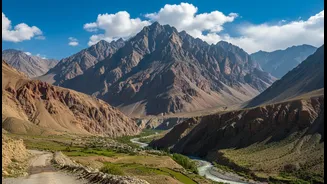


Timing is Everything: The Peak Bloom Window
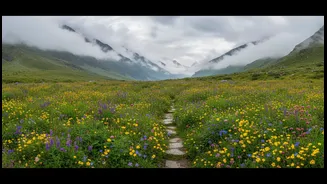
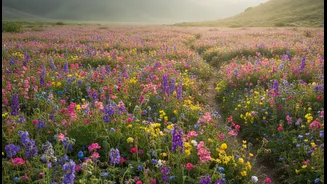
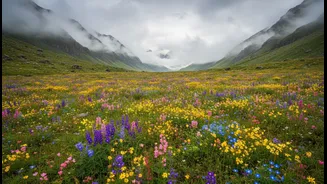
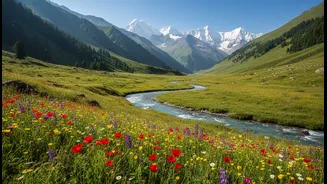
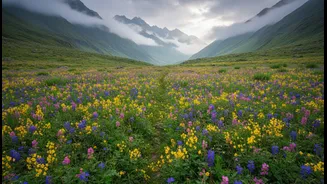
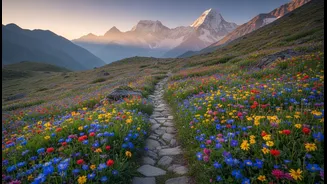
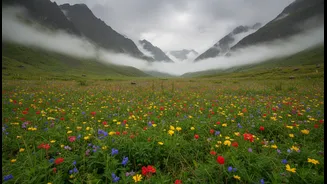
The Valley of Flowers National Park opens to the public from June 1st to late October. However, the most magical time to visit is during the peak monsoon weeks, from mid-July to mid-August. This is when the valley explodes into a vibrant carpet of over
500 flower species, including the iconic Himalayan Blue Poppy and the sacred Brahma Kamal. While June sees early blooms and September offers clearer skies with fewer crowds, the true spectacle unfolds in the heart of the monsoon. Be prepared for rain, but also for the most lush and colourful landscapes.
Permits and Paperwork: Securing Your Entry
Entry to the Valley of Flowers requires a permit issued by the Uttarakhand Forest Department. The permit is typically valid for three days and can be obtained offline at the entry gate near Ghangaria or online through the official tourism portal. For Indian citizens, the fee is approximately ₹200, and for foreign nationals, it is around ₹800. Given that a daily cap of 300 visitors is enforced to protect the fragile ecosystem, booking your permit online in advance is highly recommended, especially during the peak season of July and August. You will need a valid government-issued photo ID for the permit.
The Journey In: Reaching the Trailhead
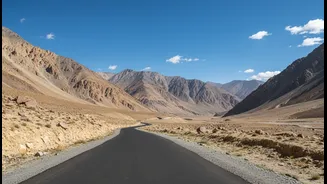
The multi-stage journey is an adventure in itself. The nearest airport is Jolly Grant Airport in Dehradun (approx. 292 km away), and the closest major railway station is in Rishikesh (approx. 273 km away). From Dehradun or Rishikesh, you need to undertake a long road journey (10-12 hours) to Joshimath. From Joshimath, it's a short drive to Govindghat, the main roadhead for the trek. A shared taxi can then take you another 4 km to Pulna, from where the 10 km trek to Ghangaria begins. Ghangaria serves as the base camp for both the Valley of Flowers and Hemkund Sahib treks. No overnight stays are allowed inside the valley itself; you must return to Ghangaria by 5 PM.
Base Camp Comfort: Accommodation in Ghangaria
Ghangaria is a small village with basic but adequate accommodation options catering to trekkers and pilgrims. Choices range from government-run guesthouses like the GMVN Tourist Rest House to private hotels, lodges, and even Swiss-style camps. Popular options include Hotel Kuber, Sri Nanda Lokpal Palace, and Blue Poppy Swiss Cottage Camps. It is crucial to book your stay well in advance, as options are limited and fill up quickly during the peak season. Amenities are basic, but most places provide essentials like hot water and wholesome meals.
The Monsoon Packing Checklist: Gear Up Right
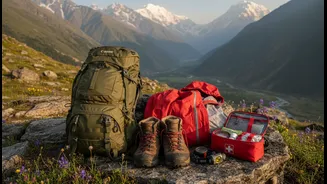
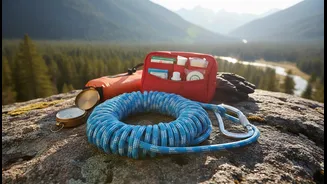
Packing for a monsoon trek requires a focus on staying dry and warm. Layering is key. Start with quick-dry t-shirts and trekking pants. Add a fleece jacket for warmth and a high-quality waterproof and windproof rain jacket and pants as your outer shell. Waterproof trekking shoes with excellent grip are non-negotiable. Carry a waterproof cover for your backpack and use dry bags or zip-lock pouches internally to protect electronics and spare clothes. Other essentials include trekking poles for stability on slippery trails, a reusable water bottle, a basic first-aid kit with antifungal powder, insect repellent, sunscreen, a sun cap, and a warm hat and gloves for cold evenings.
On the Trail: Safety and Etiquette
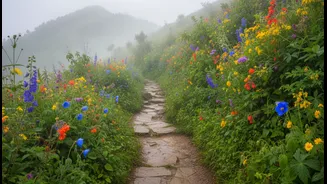
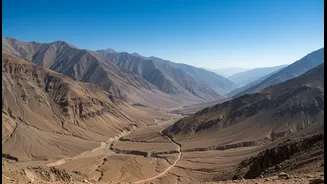
The trek from Ghangaria to the Valley of Flowers is about 3.5 km one-way and is considered easy to moderate. However, monsoon conditions demand caution. Trails can be slippery and muddy, so watch your step and use trekking poles. Start your trek early (around 7 AM) to make the most of the weather window, as afternoons often bring rain and mist. Remember that the Valley is a protected area. Do not pluck any flowers or plants. Drones and plastics are prohibited. Travel responsibly, carry your litter back with you, and help preserve the pristine beauty of this Himalayan wonder.