



The Growing Allure of the Open Road
The idea of a cross-border road trip has long captured the imagination of travellers, blending the freedom of a self-drive holiday with the thrill of international discovery. In 2026, this dream feels more attainable than ever. A combination of streamlined
visa policies and a growing appetite for unique experiences has put overland journeys firmly on the map for Indian adventurers. While some countries have tightened rules, others, like Malaysia and Thailand, have maintained simplified entry, sparking renewed excitement. This shift is not just about saving time on visa applications; it's about a new mindset where neighbouring countries are seen not just as flight destinations, but as the next stop on an epic road trip.
Essential Documents: Your Overland Toolkit
Before you start plotting your route, getting your documents in order is the most critical step. Beyond your passport, the single most important document for taking your own vehicle across borders is the Carnet de Passages en Douane (CPD). Often called a 'passport for your car', the CPD is an international customs document that guarantees you will re-export your vehicle, allowing you to avoid paying hefty import duties and taxes at each border. In India, organisations like the Western India Automobile Association (WIAA) issue the CPD. To get one, you'll need your vehicle's registration, a valid driving license (an International Driving Permit is highly recommended), and you'll have to provide a security deposit based on your vehicle's value.
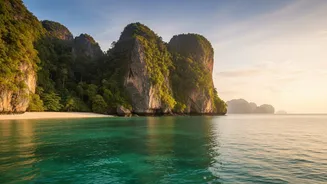
Destination Spotlight: Thailand's Tropical Roads
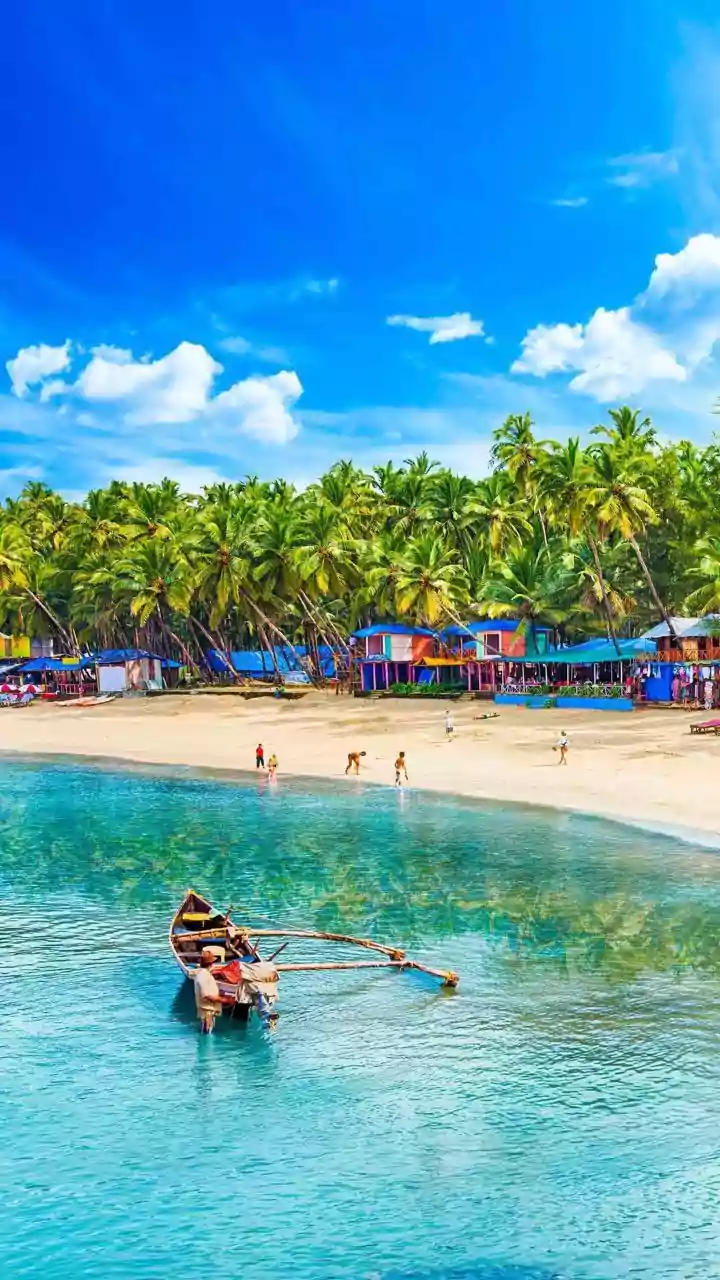
Driving from India to Thailand is a classic overland adventure. The primary route takes you through Myanmar, entering from the Moreh-Tamu border in Manipur. For this leg, Indian citizens require a visa for Myanmar, which can be obtained as an e-visa prior to the trip. You may also need a special permit to cross the land border, which can be arranged through accredited tour agencies. The big news for overlanders has been Thailand's evolving visa policy. As of August 2026, the Thai Cabinet has approved a plan to grant Indian nationals a 30-day visa exemption, a move intended to streamline entry. While this is pending official publication, it signals a more welcoming stance for tourists. Always check the very latest regulations before departure, as these policies can change.
Himalayan Drives: Nepal and Bhutan
For those seeking mountain vistas, the Himalayan kingdoms of Nepal and Bhutan offer some of the most accessible and spectacular overland journeys. Nepal remains one of the easiest international road trips for Indians, requiring no visa—a valid passport or even a Voter ID card is sufficient for entry. Driving into Bhutan is also straightforward, though it involves a few more steps. Indian citizens do not need a visa but must obtain an entry permit at the border, typically at Phuentsholing. You will need to show a valid passport or Voter ID. Additionally, Bhutan levies a Sustainable Development Fee (SDF) of ₹1,200 per person, per night. If you're taking your own vehicle, you'll need permits for both your car and your route, which can be obtained at the border.
Planning Your Epic Journey
A successful cross-border trip is all in the planning. First, prepare your vehicle. A thorough service is non-negotiable, and it’s wise to carry essential spares. Second, choose your timing. The best seasons are typically outside of monsoon months to avoid poor road conditions, especially in mountainous regions. Research your route meticulously, noting fuel stops and potential overnight halts. While spontaneity is part of the fun, having a loose itinerary ensures you don't miss key sights or run into logistical issues. Finally, ensure you have adequate travel insurance that covers you, your passengers, and your vehicle across all the countries you plan to visit. While some destinations may not mandate it, it's an essential safety net for any overlander.