





Your Digital Toolkit for Food Safety
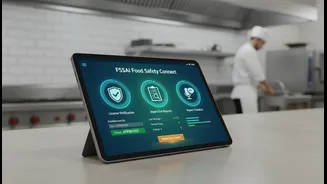
The Food Safety and Standards Authority of India (FSSAI) launched the 'Food Safety Connect' platform as a one-stop digital hub for consumers. Available as both a web portal and a mobile app, its primary goal is to empower every citizen to become an active
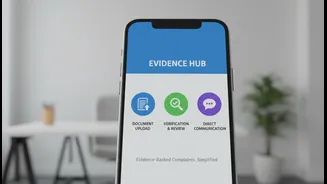
participant in monitoring the country's food ecosystem. Instead of feeling helpless when faced with a food safety issue, you now have a formal, trackable system to voice your concerns. The platform allows you to report a wide range of issues, from adulterated products and expired goods to unhygienic conditions at restaurants and misleading packaging claims. You can upload evidence like photos and bills to support your case, and a unique ID is generated to track the complaint's progress.
The Gains: Transparency and Accountability
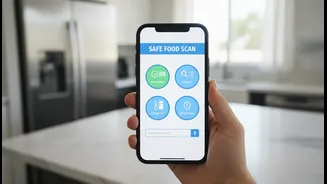
The most significant gain for consumers is direct access and transparency. Before this, lodging a complaint was a confusing process with little visibility. Now, you can not only file a grievance but also verify the credentials of any Food Business Operator (FBO). By scanning a QR code or entering the FSSAI license number found on the packaging or displayed at the premises, you can check if the business is legally registered and compliant. This simple act of verification promotes accountability, encouraging businesses to adhere to standards. FSSAI has mandated that all food businesses display their license and the Food Safety Connect QR code prominently, making it easier for consumers to access this information and hold establishments accountable.
The Reality Check: Gaps in Enforcement
While lodging a complaint has become easier, getting a resolution is another story. The digital platform is only the first step. Once a complaint is filed, it is forwarded to the relevant state food safety authorities for on-ground investigation and action. This is where the system often faces significant bottlenecks. India has a severe shortage of Food Safety Officers (FSOs) to conduct inspections, collect samples, and follow up on complaints. Some states have vacancy rates as high as 93%, which cripples local enforcement capabilities. As a result, consumers report that while their complaints are registered, the follow-up action can be incredibly slow or, in some cases, non-existent, particularly in smaller towns and rural areas.
What Still Needs Checking: Beyond the App
The effectiveness of Food Safety Connect is hampered by deeper, systemic issues. The digital divide is a major hurdle; a large portion of the population in rural and semi-urban areas lacks the consistent internet access or digital literacy needed to use the portal effectively. Furthermore, India's food testing infrastructure is under-equipped. Many state-run labs lack proper accreditation, which can undermine the legal validity of their findings and weaken prosecution against violators. The FSSAI acts as a standard-setting body, but the core responsibility for enforcement lies with state authorities, leading to inconsistent implementation across the country. Critics argue that without strengthening this on-ground capacity, the portal risks becoming a system that is good at recording problems but not at solving them.