



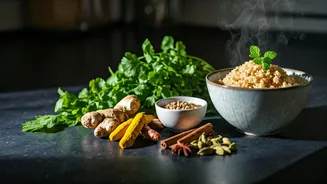


A Symphony of Flavour
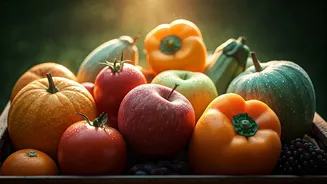
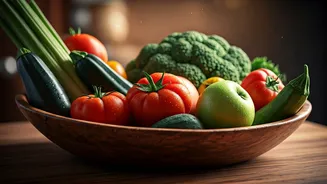
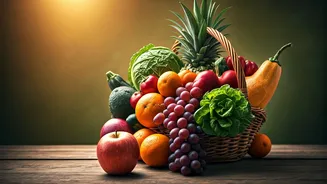
The most immediate and delightful reward of eating seasonally is taste. Produce that is picked at its peak, after ripening naturally on the vine or in the soil, is bursting with flavour. A summer tomato is sweet, juicy, and vibrant, a world away from
the pale, watery version you might find in winter, which has likely been grown in a greenhouse or shipped from afar. When fruits and vegetables are in season, they are at their absolute best—their sugars are more developed, their textures are perfect, and their aromas are potent. This natural goodness means you need to do less in the kitchen. A simple sprinkle of salt or a squeeze of lime is often enough to make seasonal produce shine, allowing you to enjoy food as nature intended.
Peak Nutrition for Your Body
Beyond taste, seasonal produce offers superior nutritional value. When produce is harvested at its natural peak, it contains the highest concentration of vitamins, minerals, and antioxidants. The longer a fruit or vegetable sits in storage or travels long distances, the more these vital nutrients degrade. For instance, Vitamin C is particularly sensitive to light, air, and time. By choosing what’s locally in season, you are getting a more potent dose of the good stuff. This practice aligns perfectly with ancient Indian wisdom, particularly Ayurveda, which champions the concept of 'Ritucharya'—living in harmony with the seasons. Eating foods that nature provides at a specific time of year helps balance the body’s doshas and prepares it for the climatic conditions, whether it's cooling cucumbers in the summer heat or warming root vegetables in the winter chill.
Smart Economics for Your Kitchen
Eating with the seasons is also a financially savvy choice. The basic law of supply and demand works in your favour. When a particular fruit or vegetable is in season, it is abundant. Farmers have a surplus, and this floods the market, driving down prices. Think of the low cost of leafy greens during the monsoon or the affordable bounty of guavas in the winter. Conversely, buying produce out of season means you are paying a premium for the transportation, artificial ripening processes, and extensive cold storage required to get it to your plate. By aligning your grocery list with the local harvest cycle, you can significantly reduce your food bills without compromising on quality. It's a simple way to eat better for less.
A Lighter Footprint on the Planet
Your dietary choices have a direct impact on the environment, and eating seasonally is one of the easiest ways to be more sustainable. Out-of-season demand fuels a global food system that relies on long-haul transportation—often by air—which has a massive carbon footprint. It also necessitates energy-intensive greenhouses, heavy water usage, and often more pesticides to grow crops in unnatural conditions. When you buy local and seasonal produce, you are opting out of this damaging cycle. You are supporting local farmers, reducing 'food miles,' and consuming food that has been grown in its natural rhythm, requiring fewer artificial inputs. It’s a small change on your plate that contributes to a larger, positive environmental impact.
Your Simple Guide to Seasonal Eating
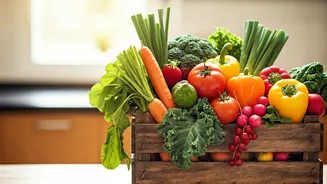
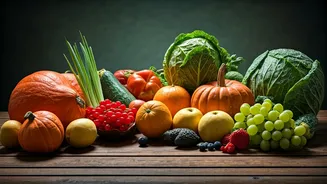
Getting started is as simple as observing what's piled high at your local sabzi mandi. Here’s a quick cheat sheet for India's broad seasons: Summer (March-June): Look for mangoes, watermelon, muskmelon, lychee, and jackfruit. For vegetables, it’s the season for cucumbers, bottle gourd (lauki), pumpkin (kaddu), and bitter gourd (karela). Monsoon (July-September): This is the time for jamun, peaches, and plums. Vegetables like leafy greens (in moderation and washed well), corn (bhutta), okra (bhindi), and various types of gourds are abundant. Winter (October-February): Enjoy a bounty of citrus fruits like oranges and kinnow. It’s the best season for apples, pomegranates, and guavas. The vegetable basket is full of carrots, beetroot, radishes, peas, cauliflower, cabbage, and lush spinach (palak) and mustard greens (sarson ka saag).