

The Unbeatable Economics of Mobility
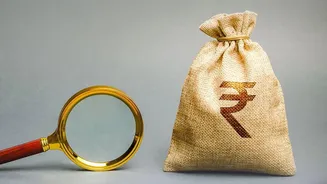
For millions of Indians, the choice of commute begins and ends with a simple calculation: what is the most affordable way to get from A to B? Two-wheelers win this math contest decisively. The upfront cost of a commuter motorcycle or scooter is a fraction
of even the most basic entry-level car. Beyond the showroom, the savings continue. With petrol prices being a constant pressure point on household budgets, the superior mileage of two-wheelers, often delivering 50-70 km per litre, makes daily travel economically viable. Maintenance and servicing costs are also significantly lower compared to a four-wheeler, making the total cost of ownership manageable for a vast segment of the population. Even parking, which often comes at a premium for cars, is cheaper and more accessible for bikes and scooters.
Masters of Time and Traffic
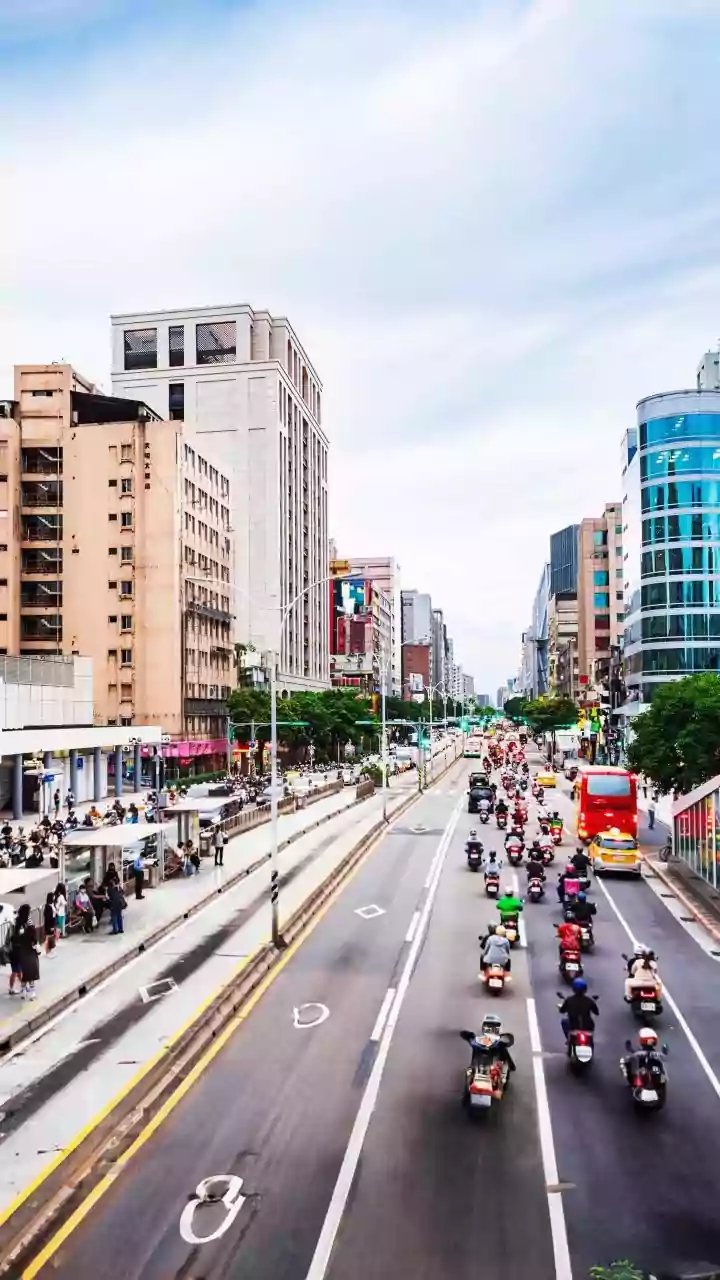
Time is a currency, and in India's notoriously congested cities, two-wheelers are the fastest way to spend it wisely. Cities like Bengaluru, Pune, and Mumbai regularly rank among the most gridlocked in the world, with commuters losing hundreds of hours annually to traffic jams. In this environment, the agility of a scooter or motorcycle is a superpower. Their ability to navigate through slow-moving traffic, filter through gaps, and take narrow alternative routes that are inaccessible to cars can shave precious minutes, or even hours, off a daily commute. This isn't just about convenience; it's a critical advantage that allows workers to reach their jobs on time and delivery services to function efficiently, forming the backbone of the burgeoning gig economy.
Solving the Last-Mile Puzzle
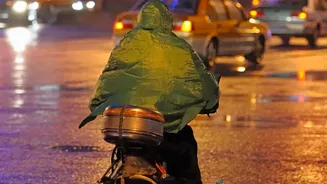
While metro networks have expanded across many Indian cities, a persistent challenge remains: the 'last-mile' problem. The distance from a metro station or bus stop to one's final destination—be it an office park or a residential colony—is often too far to walk, especially in extreme weather. Public transport options for this final leg can be unreliable or expensive. Two-wheelers perfectly bridge this gap, offering true door-to-door autonomy and freedom from fixed schedules and routes. They provide a personal, on-demand solution that public transport alone cannot, ensuring that commuters can complete their entire journey seamlessly and affordably.
The Electric Evolution
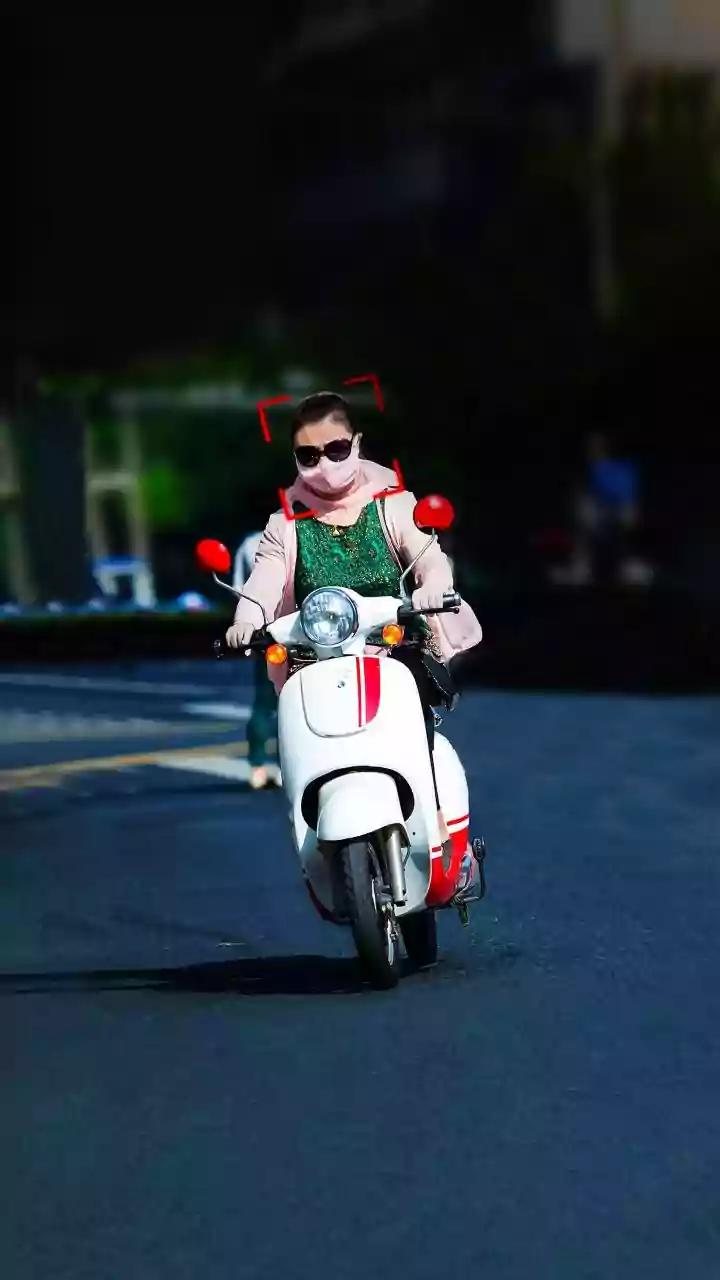
The story of the two-wheeler is now entering a new chapter with the rise of electric variants. Electric scooters (e-scooters) are further solidifying the relevance of personal two-wheeled transit. By eliminating fuel costs entirely, they offer an even lower running cost—sometimes as little as ₹0.25 per kilometre compared to over ₹2.00 for a petrol model. This makes the economic argument even more compelling, with potential annual savings running into tens of thousands of rupees. Government subsidies and lower maintenance needs for EVs further sweeten the deal. As charging infrastructure improves, the shift to electric ensures that the two-wheeler will not just survive but thrive, adapting to meet modern demands for sustainability and even greater cost-efficiency.