
The Heartland's Dairy Delights
In North India, especially in the Braj region of Mathura and Vrindavan where Krishna is believed to have spent his childhood, the celebratory food is a direct homage to his love for milk and butter. The offerings are rich, sweet, and predominantly dairy-based.
Makhan Mishri, a simple yet divine preparation of fresh white butter mixed with rock sugar, is indispensable. It evokes the image of Krishna as the beloved 'Makhan Chor' or butter thief. Another essential prasad is Panjiri, particularly Dhaniya Panjiri. Made by roasting coriander powder with ghee, sugar, and a generous mix of dried fruits and nuts, it's a unique, aromatic sweet prepared for those fasting with grains. Panchamrit, a sacred concoction of five nectars—milk, yogurt, ghee, honey, and sugar—is used for the ritual bathing of the idol and then distributed among devotees. These foods represent purity, love, and the pastoral landscape of Krishna's early life.
Western India's Community Feasts
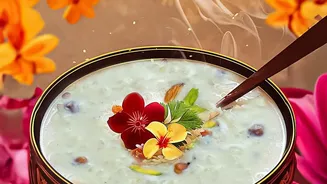
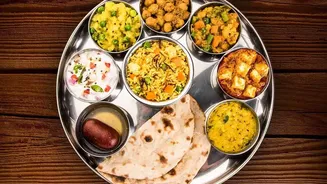
Moving west to Maharashtra and Gujarat, the spirit of Janmashtami becomes a boisterous community affair, best captured by the Dahi Handi tradition. The food that accompanies this spectacle is Gopalkala, also called Dahi Kala. This dish is a symbolic recreation of Krishna sharing food with his cowherd friends. It’s a simple, no-cook mixture of flattened rice (poha), curd, milk, cucumber, fruits, and peanuts. The beauty of Gopalkala lies in its spirit of togetherness; often, ingredients are brought from different households and mixed together, signifying that everyone, rich or poor, contributes to the celebration. In Gujarat, the devotion to Krishna, particularly as the king of Dwarka, is reflected in sweets like Shrikhand and various farsan (savoury snacks) that find their way into the festive platter, blending regional favourites with pan-Indian devotional foods.
Eastern India's Grand Offerings
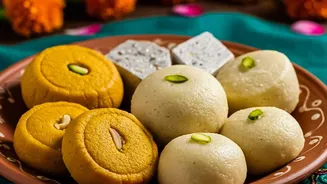
In the East, particularly in Odisha and West Bengal, Janmashtami is celebrated with elaborate offerings. The Jagannath Temple in Puri, Odisha, is famous for its 'Chappan Bhog', a grand offering of 56 distinct food items to the deity. This tradition is rooted in the legend of Krishna lifting the Govardhan Hill for seven days, during which he missed his eight daily meals. To compensate, the grateful villagers offered him 56 dishes (7 days multiplied by 8 meals). While preparing a full Chappan Bhog at home is rare, the spirit of abundance guides the festive menu, which includes a variety of rice dishes, lentils, vegetables, and sweets. In West Bengal, a popular Janmashtami sweet is Taler Bora, deep-fried fritters made from the pulp of the Asian palm fruit, mixed with flour and sugar. Another favourite is the milk-based sweet, Sandesh. These preparations highlight the use of seasonal and local ingredients in devotional cooking.
A Savoury Celebration in the South
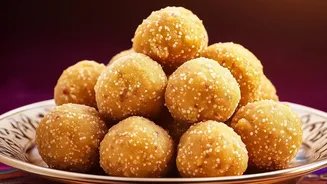
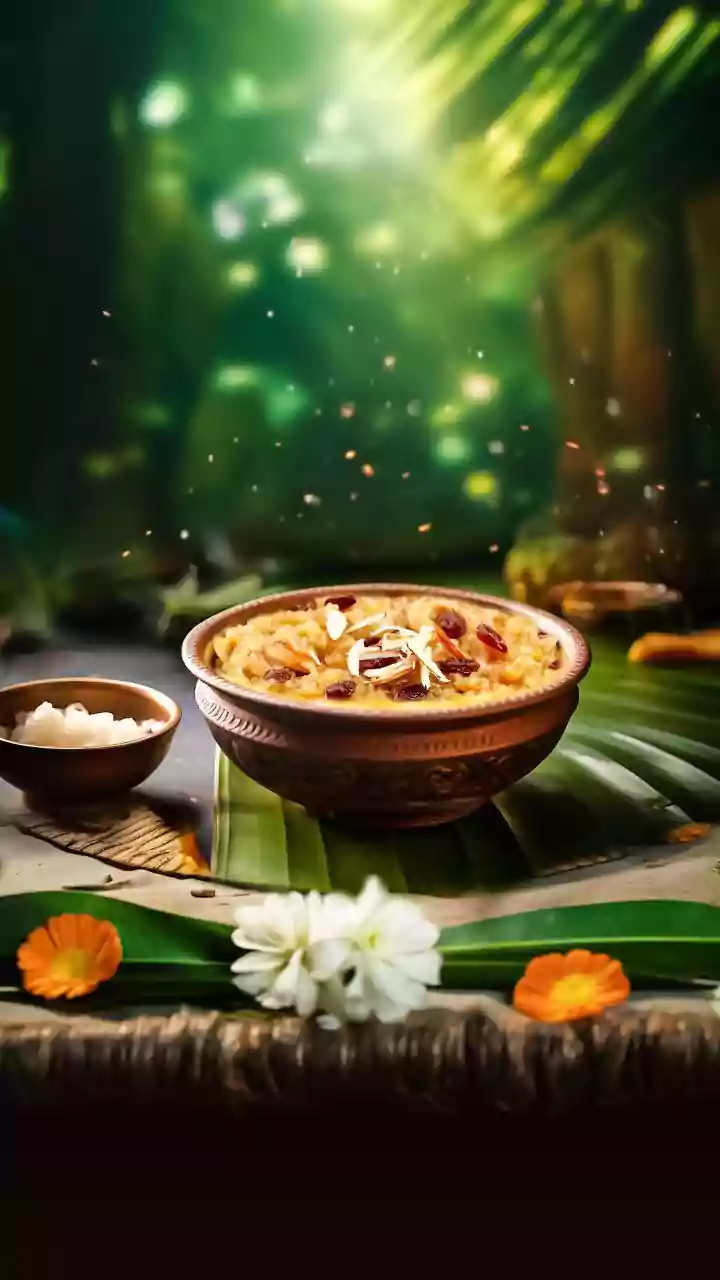
Down South, the flavour profile of Janmashtami, or Gokulashtami as it's known, shifts from predominantly sweet to a delightful balance of sweet and savoury. A key distinction is the preparation of various fried, crunchy snacks. In Tamil Nadu, homes are decorated with tiny footprints made from rice flour paste, symbolising Krishna's entry. The food offerings prominently feature Seedai (small, crunchy balls made of rice flour, both sweet and savoury versions), and Murukku or Chakli (spiral-shaped fried snacks). Sweets like Nei Appam (a ghee-fried dumpling of rice flour and jaggery) and Aval Kesari (flattened rice pudding) are also prepared. Aval, or flattened rice, is considered a favourite of Krishna, stemming from his friendship with Sudama. This focus on savoury, crunchy delights alongside sweets provides a distinct textural and taste contrast to the celebrations elsewhere in the country.