






Satellite Data Analyst
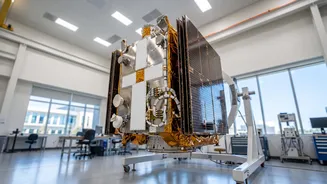
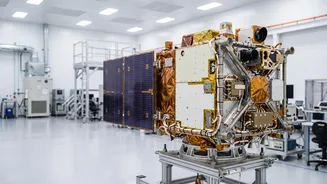
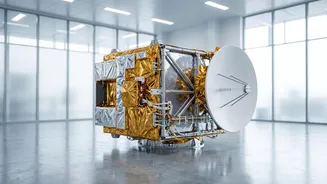
Not all space jobs involve building rockets. One of the fastest-growing areas is the downstream sector, which uses data from satellites. Satellite Data Analysts are crucial here. They interpret satellite imagery to provide insights for industries like
agriculture, urban planning, disaster management, and climate change monitoring. Companies like Pixxel and SatSure are major players in this field. To excel in this role, you need a strong background in data science, remote sensing, and programming languages like Python. A degree in geography, computer science, or environmental science can be a great starting point.
Aerospace Engineer
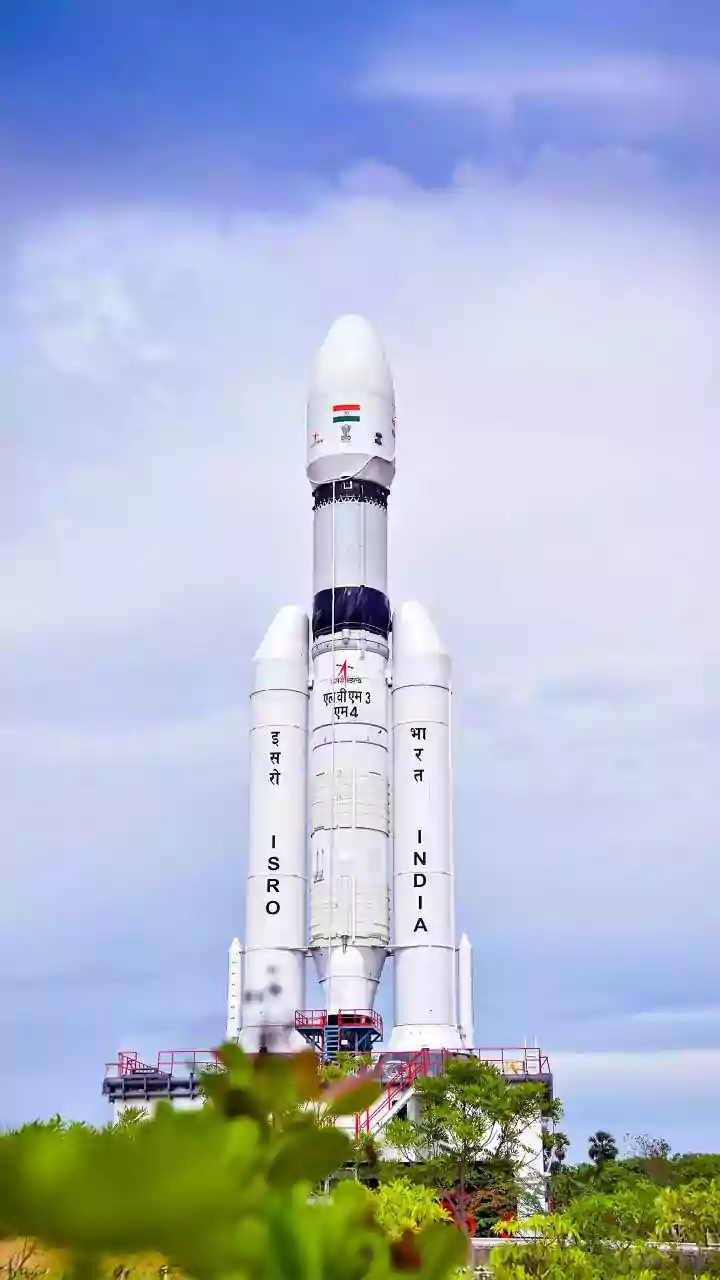
This is a classic space career, but it's undergoing a major transformation. While ISRO remains a primary employer, the rise of private launch companies like Skyroot Aerospace and Agnikul Cosmos has created a surge in demand for aerospace engineers. These startups are focused on building everything from small satellite launch vehicles to advanced propulsion systems. There's a particular need for engineers with hands-on experience in propulsion, guidance, navigation, and control (GNC) systems. A degree in mechanical, electronics, or aerospace engineering provides the foundational knowledge for this exciting, fast-paced field.
Space Law and Policy Expert
As space becomes more commercialised, it also becomes more crowded and complex. This has created a demand for a new kind of professional: the space lawyer. These experts navigate the legal landscape of space, dealing with everything from satellite launch regulations and international treaties to insurance for space missions and intellectual property rights. Government bodies like ISRO and IN-SPACe, as well as private firms and startups, require legal minds to shape policy and ensure compliance. A law degree combined with a specialisation or interest in technology and international policy is the ideal pathway into this emerging field.
Robotics and Automation Engineer
From rovers exploring other planets to robotic arms that service satellites in orbit, robotics is at the heart of modern space exploration and operations. Robotics and Automation Engineers design, build, and test these complex systems. In India, the demand for these skills is growing in both the defence and aerospace sectors. Expertise in mechatronics, artificial intelligence, control systems, and embedded systems is highly valued. Companies are looking for engineers who can translate control theory into the real-world performance of robotic systems for space applications. An engineering degree with a focus on mechatronics or robotics is the most direct route.
Space-Tech Entrepreneur
With the Indian government actively encouraging private participation through initiatives like IN-SPACe, the doors have been thrown open for a new generation of entrepreneurs. India now has over 400 space startups, a number that has grown dramatically in recent years. These companies are innovating across the entire value chain, from building launch vehicles to developing downstream data applications. If you have a strong business idea and a passion for space, this could be the ultimate career path. It requires not just technical knowledge but also business acumen, leadership, and the ability to attract investment in a competitive but rapidly growing market.