


More Than Just a Sporting Event
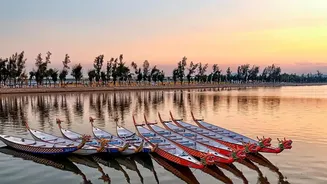
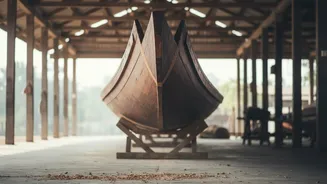
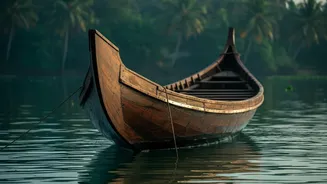
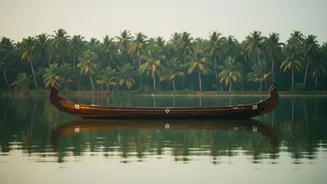
In the lush backwaters of Kerala, the annual snake boat races, or Vallam Kali, are a sight to behold. These magnificent Chundan Vallams—long, elegant boats measuring over 100 feet—glide through the water, powered by nearly a hundred rowers paddling in perfect
unison. While races like the Nehru Trophy Boat Race are famous for their competitive spirit, many of these events are deeply rooted in religious devotion and ancient rituals. For the communities involved, this is not merely a sport; it is a sacred offering and a vibrant expression of their cultural identity. The most revered of these is the Aranmula Uthrattathi Vallamkali, which is considered a ritualistic festival dedicated to Lord Parthasarathy of the local temple, rather than a race for a trophy.
The Soulful Rhythm of Vanchipattu
The incredible synchronisation of the oarsmen is powered by Vanchipattu, the traditional boat songs. A lead singer, positioned in the middle of the boat, chants verses from epics and local folklore, praising deities like Lord Krishna or recounting tales of heroism. The rowers respond in a powerful chorus, their oar strokes matching the song's energetic rhythm. This is not just a technique to maintain pace; it is a performance art that transforms the physical act of rowing into a collective spiritual experience. The songs energise the crew, unify their efforts, and fill the air with a sense of devotion that captivates both participants and spectators. The Vanchipattu is the heartbeat of the race, a testament to the community's shared faith and strength.
An Offering of Faith and Feast
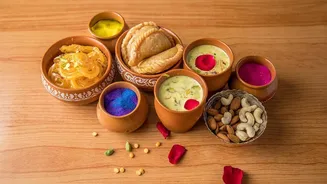
Many boat races are inextricably linked to temple festivals. The Aranmula race, for example, commemorates the legend of a devout Brahmin whose offerings to the Aranmula Parthasarathy Temple were once protected by villagers in their snake boats. Today, the race is part of a larger tradition that includes elaborate rituals. Before the event, the boats, known as Palliyodams, are decorated and blessed by priests. The oarsmen themselves observe vows and offer prayers for a safe journey. One of the most significant rituals is the Vallasadya, a massive vegetarian feast offered to the boat crews by devotees. This grand feast, sometimes featuring over 60 different dishes, is a ritual offering to the deity, served to the oarsmen who are seen as his representatives. During the meal, the crews often sing and theatrically request specific dishes, which are served without refusal, turning the feast itself into a joyous community event.
A Village United in Pride
The snake boat is more than a vessel; it is the pride of an entire village. Its construction and maintenance are a collective effort, often funded by contributions from hundreds of families in the community. This shared ownership fosters a deep sense of unity and identity. For the people of a village, a victory in a competitive race or the flawless execution of a ritual procession is a matter of immense honour, celebrated for months. The preparation for the race season involves the whole community, from the carpenters who build and repair the boats to the elders who pass down traditional knowledge and the volunteers who organise food and training. This collective participation ensures that Vallam Kali is not a passive spectacle but a living tradition that reinforces social bonds and communal harmony with each passing year.