

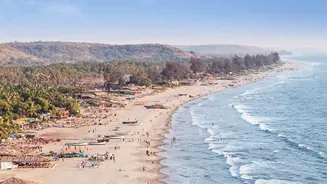
Varkala Beach, Kerala
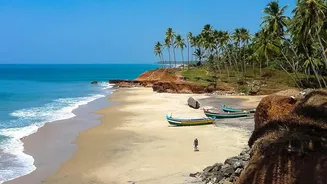
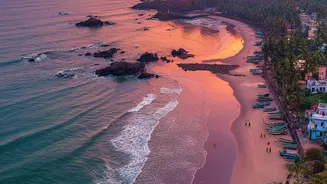
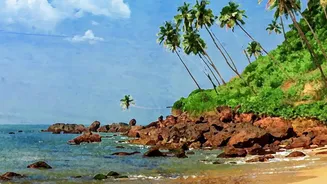
Varkala is unique for its dramatic red laterite cliffs that run adjacent to the Arabian Sea. A paved footpath along the clifftop is lined with cafes, yoga studios, and shops, offering stunning ocean views, especially at sunset. Steps lead down to the golden
sands of Papanasam Beach, a name that translates to 'destroyer of sins'. The area is a hub for wellness, with numerous Ayurvedic centres and yoga classes available. For a quieter experience, head to the less-crowded South Cliff or the serene Odayam Beach just a short walk away.
Radhanagar Beach, Andaman & Nicobar Islands
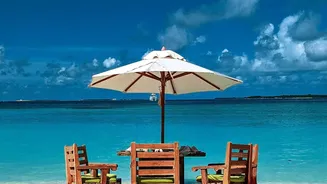
Often hailed as one of Asia's best beaches, Radhanagar Beach on Havelock Island (Swaraj Dweep) is a slice of paradise. Its fame comes from a wide crescent of fine white sand, backed by a wall of lush tropical forest and fronted by calm, turquoise waters. It is a Blue Flag certified beach, recognized for its cleanliness and safety. While there are no motorised water sports here, it is perfect for long walks and swimming in the designated, lifeguarded zones. The main event is the spectacular west-facing sunset, which draws visitors to its shores every evening.
Marari Beach, Kerala
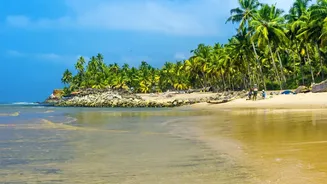
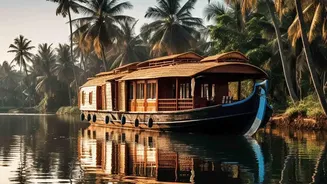
Named after the local fishing village of Mararikulam, Marari Beach offers a tranquil and authentic coastal experience. Located near Alappuzha, it provides a peaceful alternative to more crowded destinations. Life here moves at a slower pace, defined by swaying coconut palms, golden sands, and the daily rhythms of the local fishing community. It's an ideal spot for those looking to simply relax, read a book, and unwind. Many resorts in the area focus on Ayurvedic wellness and eco-tourism, complementing the serene environment.
Gokarna, Karnataka
Gokarna presents a unique blend of a sacred pilgrimage site and a laid-back beach haven. Once known primarily for the Mahabaleshwar Temple, it now attracts travellers with its string of beautiful, less-commercialised beaches. The most iconic is Om Beach, naturally shaped like the auspicious Hindu symbol. A famous coastal trek connects Kudle Beach, known for its relaxed vibe, with the more secluded Half Moon and Paradise beaches, offering dramatic cliff-top views of the Arabian Sea along the way.
Kovalam Beach, Kerala
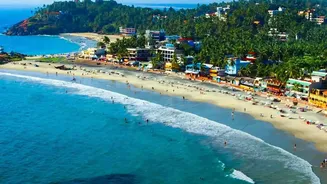
A world-renowned destination, Kovalam is famous for its three adjacent crescent-shaped beaches. Lighthouse Beach is the largest and most popular, distinguished by the towering red-and-white striped lighthouse that provides panoramic views. Hawah Beach is a hub of activity with local fishermen, while the quieter Samudra Beach is lined with resorts and offers a more peaceful atmosphere. The relatively calm waters make it a great spot for swimming and water sports like surfing and parasailing during the winter season.
Mahabalipuram Beach, Tamil Nadu
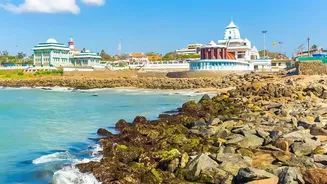
History meets the sea at Mahabalipuram, a UNESCO World Heritage site on the Coromandel Coast. The beach itself is a beautiful stretch of golden sand, but its main allure lies in the ancient monuments that dot the shore, most notably the iconic 8th-century Shore Temple. Beyond the temple, the area is famous for its rock-cut caves, monolithic rathas (chariots), and the massive bas-relief known as Arjuna's Penance. The town has a vibrant backpacker and surfing culture, with plenty of guesthouses and seafood shacks.
Muzhappilangad Beach, Kerala
For a truly unique experience, head to Muzhappilangad in the Kannur district. It is famous for being one of the longest drive-in beaches in Asia, with a firm 4-kilometre stretch of sand that you can legally drive on. The shore is protected by black rocks, which keep the surf relatively gentle and make it safe for swimming. During the winter, the beach also becomes a hotspot for birdwatchers, with dozens of migratory species making an appearance. At low tide, you can even walk across to the nearby Dharmadam Island.
Dhanushkodi Beach, Tamil Nadu
Situated at the south-eastern tip of Pamban Island, Dhanushkodi offers a raw, wild, and hauntingly beautiful coastal experience. This narrow strip of land is flanked by the Bay of Bengal on one side and the Indian Ocean on the other. The beach is part of a 'ghost town' that was largely destroyed by a cyclone in 1964. Today, its isolation and stark beauty are its main draws. The drive to the end point, known as Arichal Munai, is a stunning journey through shallow blue waters, leading to the confluence of the two seas.