

The Power of Roasting
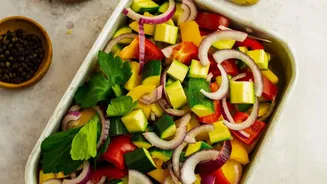
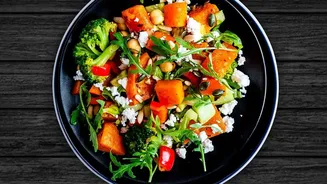
Roasting is perhaps the most transformative technique for vegetables. By using high, dry heat, you're not just cooking the vegetable; you're fundamentally changing its composition. The natural sugars within vegetables like carrots, bell peppers, sweet
potatoes, and cauliflower begin to caramelise, creating a deep, sweet, and nutty flavour that you can't achieve with other methods. This process, known as the Maillard reaction, is what gives roasted vegetables their appealing brown crust and complex taste. For best results, toss your chopped vegetables in a bit of oil and spread them in a single layer on a baking sheet, ensuring they have space to brown rather than steam. This simple step prevents them from becoming soggy and guarantees a wonderfully crisp-tender texture.
Grilling and Charring for Smoky Depth
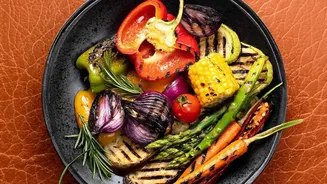
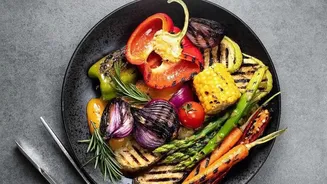
When you want to impart a smoky, slightly bitter complexity, grilling is the answer. The direct flame chars the exterior of vegetables like zucchini, eggplant, corn, and asparagus, adding a new dimension of flavour that pairs beautifully with their natural sweetness. This method works quickly, keeping the interior of the vegetable tender while the outside gets a delicious crust. For smaller or more delicate items, a grill basket is a great tool to prevent them from falling through the grates. Don't be afraid of a little char; those blackened bits are where much of the flavour lies. A simple toss in a vinaigrette after grilling can brighten the smoky notes and complete the dish.
Steaming to Preserve Freshness
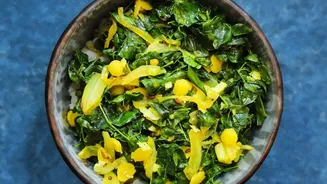
While roasting and grilling create deep flavours, steaming is all about preservation. This gentle method is ideal for delicate vegetables like green beans, peas, and leafy greens such as spinach. Because the vegetables aren't submerged in water, they retain more of their vibrant colour, crisp texture, and vital nutrients. Steaming is arguably one of the healthiest ways to cook vegetables, as it requires no added fats. The key is to steam them until they are just tender-crisp; over-steaming can lead to a mushy texture. A squeeze of lemon or a sprinkle of fresh herbs after cooking is all that's needed to enhance their fresh-from-the-garden taste.
Sautéing for Quick, Flavourful Meals
Sautéing, or stir-frying, is a high-heat method perfect for busy weeknights. It involves cooking thinly sliced or small pieces of vegetables quickly in a pan with a small amount of oil. This technique is excellent for creating a medley of vegetables, as you can add them to the pan in stages, starting with harder ones like carrots and broccoli and finishing with softer ones like bok choy or bell peppers. The quick cooking time helps the vegetables retain a pleasant crunch and their bright colours. Furthermore, this method is a fantastic way to build layered flavours, as the vegetables can absorb the taste of garlic, ginger, spices, and sauces added to the pan.
Beyond Heat: The Magic of Pickling
Not all cooking requires heat. Quick pickling is a fantastic way to transform the texture and taste of crisp vegetables like radishes, cucumbers, and onions. By submerging them in a brine of vinegar, water, salt, and a touch of sugar, you can add a tangy, acidic punch that balances richer dishes. This method not only preserves the vegetable's crunch but also infuses it with flavour from spices like mustard seeds, dill, or peppercorns. Hot pickling, where a hot brine is poured over the vegetables, can slightly soften them while allowing the flavours to meld faster. It’s an underutilised technique that adds a vibrant, refreshing element to any meal plan.