







The New 'Work from Mountains'
The remote work revolution, accelerated by the pandemic, has untethered millions of Indian professionals from their office desks. While the initial shift was to hometowns, a more intentional trend is now taking root: the 'workation'. And few places embody
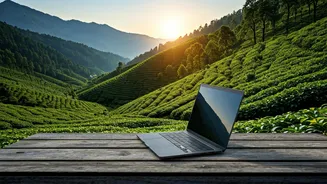
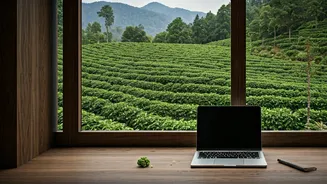
this aspirational blend of productivity and peace better than Sikkim. Professionals from Bengaluru's tech hubs, Mumbai's finance corridors, and Delhi's creative agencies are packing their laptops and heading for the hills. But this isn't just about a change of scenery. They are seeking a deeper connection, a slower pace, and an authentic experience that a hotel chain simply cannot offer. This has led them to the doors of family-run homestays, particularly those nestled in the state’s verdant cardamom plantations.
More Than Just a Good View
What makes Sikkim unique in this emerging landscape is its deep-rooted identity as India's first fully organic state. This isn't a marketing gimmick; it's a way of life that has been cultivated for decades. The homestays that are attracting remote workers are often located on active farms, allowing guests to be immersed in the agricultural rhythm of the region. The star of the show is often the large cardamom (Amomum subulatum), a spice that thrives in Sikkim’s misty climate. For hosts, it’s a chance to diversify their income and share their culture. For guests, it’s an opportunity to live, breathe, and even taste the local terroir. The experience transcends a simple stay; it becomes an education in sustainable living, where the food on your plate is grown just a few feet from your window.
A Day in the Life
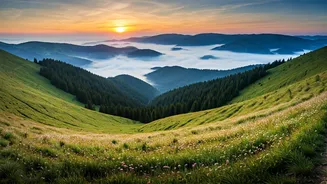
A typical day for a remote worker in a Sikkimese cardamom homestay is a study in mindful productivity. The morning might start not with an alarm clock, but with the sound of birds and a cup of locally grown tea on a porch overlooking mist-shrouded valleys. A morning walk through the cardamom groves can replace a crowded commute, clearing the mind before the first Zoom call. The workday is punctuated by views of the Kanchenjunga range and home-cooked meals prepared with fresh, organic produce. Instead of post-work traffic, evenings are spent sharing stories with the host family, learning the difference between various spices, or simply reading a book in profound silence. It’s a work-life integration that prioritises well-being over burnout.
The Symbiotic Homestay Economy
This trend is creating a powerful, positive feedback loop. Remote workers bring a steady, long-term stream of income to rural areas, which is less volatile than traditional weekend tourism. This allows homestay owners to invest in better facilities without compromising their authentic character. It empowers local communities, particularly women, who are often at the forefront of running these establishments. The government of Sikkim has actively promoted eco-tourism and homestays as a cornerstone of its development policy. By choosing a homestay, remote workers are not just finding a place to work; they are actively participating in a model of sustainable, community-based tourism that respects both the environment and local culture.
Wi-Fi, Costs, and Connectivity
The most pressing question for any digital nomad is, 'But what about the Wi-Fi?' While connectivity in remote mountain regions can be a challenge, the situation is rapidly improving. Spurred by demand, many homestay owners have invested in reliable fibre optic connections or high-speed satellite internet. Remote workers report that the connectivity is often more than sufficient for video calls, file transfers, and other daily tasks. In terms of cost, a long-term stay in a Sikkimese homestay, including meals, is often significantly cheaper than renting an apartment and managing daily expenses in a major metropolis. It presents a compelling financial argument, in addition to the immense lifestyle benefits.