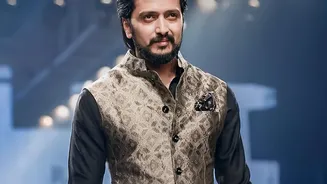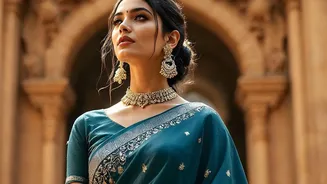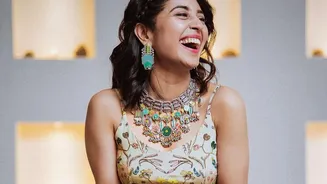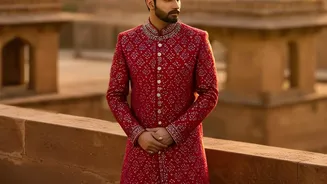


From Festive Occasions to Everyday Wear
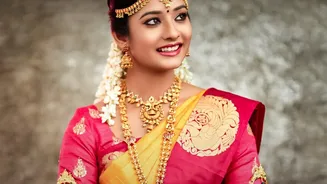
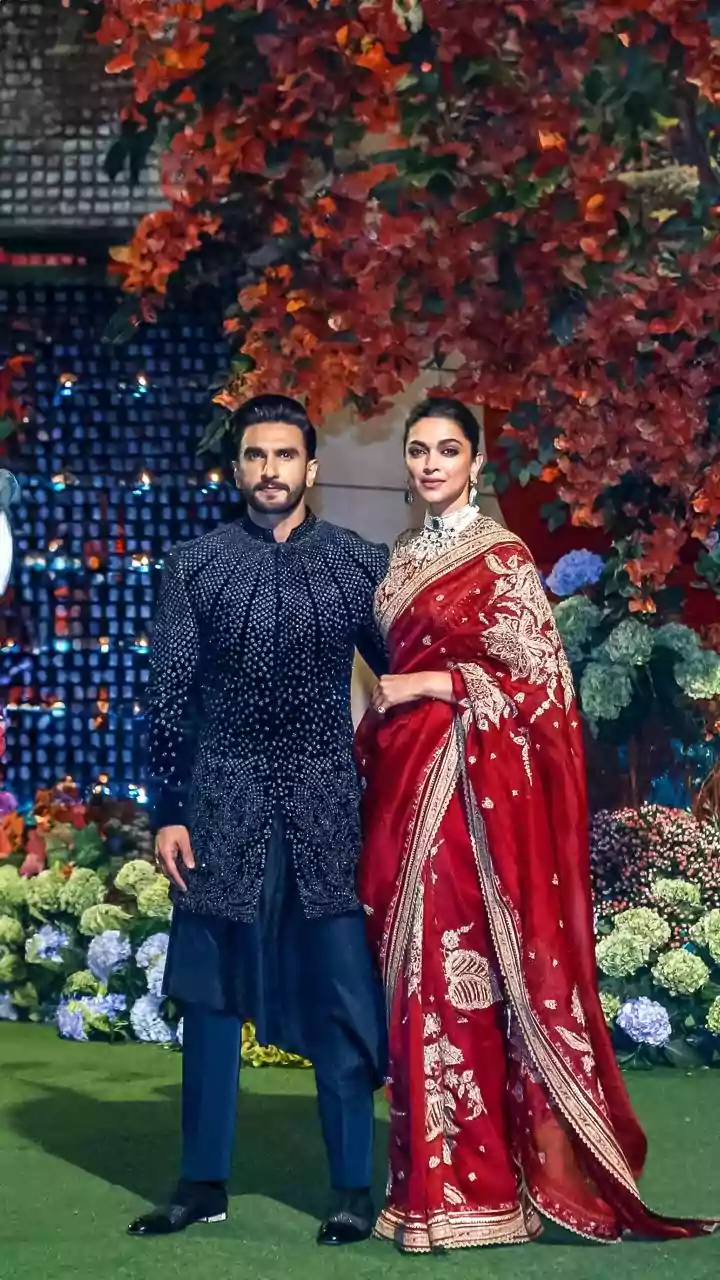
For years, traditional Indian attire was carefully stored away, reserved only for weddings, festivals, and religious ceremonies. But for younger generations, including millennials and Gen Z, those rigid boundaries are dissolving. They are pulling heritage
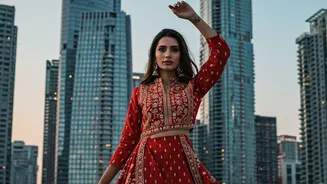
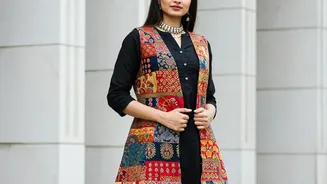
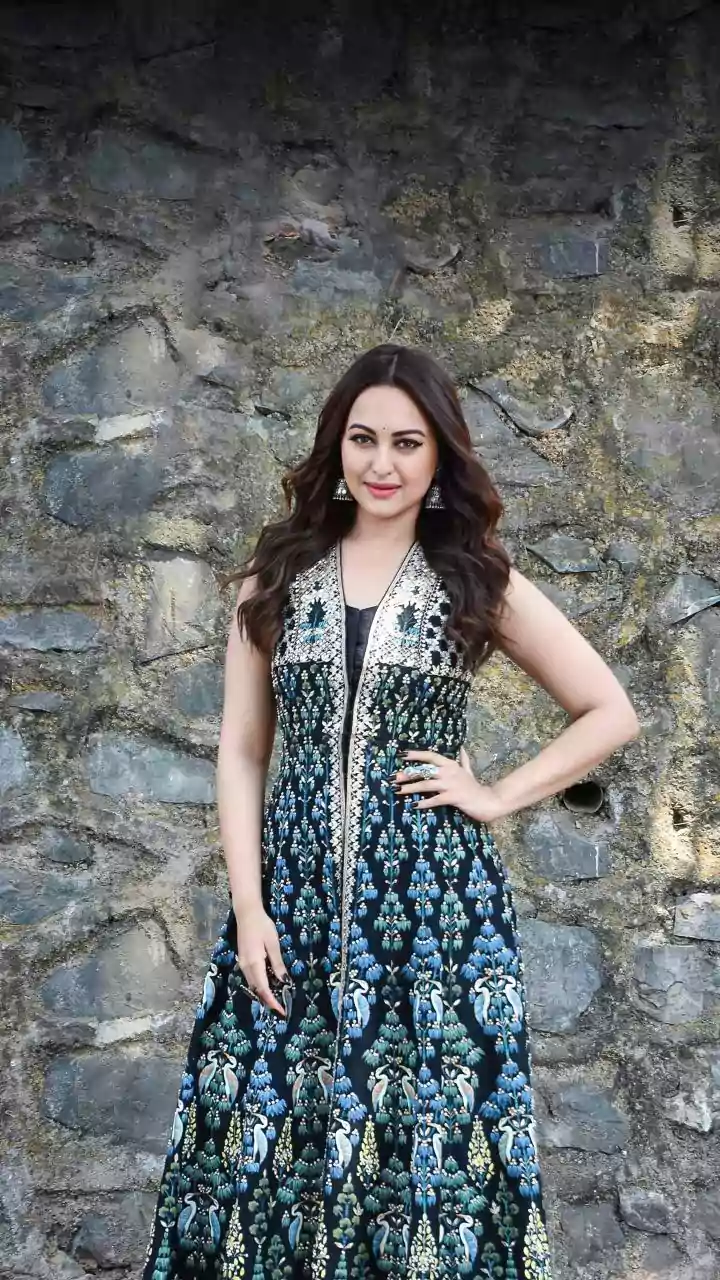
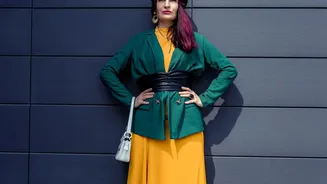
pieces out of the 'occasion-wear' box and integrating them into their daily lives. The motivation is simple: why should beautiful, meaningful garments be worn only a few times a year? This shift sees the kurta paired with jeans for a casual outing, an embroidered dupatta draped over a Western blazer for an edgy work look, or a lightweight saree styled for a brunch with friends. By refusing to compartmentalize their wardrobe, young Indians are making a powerful statement that cultural clothing belongs in every part of their modern lives.
Comfort, Practicality, and Personal Expression
One of the biggest drivers of this fusion trend is the demand for comfort and practicality. Younger consumers prioritize clothing that moves with them through a fast-paced urban lifestyle. While a full-length anarkali or a heavily embroidered lehenga might be stunning, it isn't always practical for a commute or a long day at college. By blending elements, style becomes more accessible. Think pre-draped sarees that offer the elegance without the complex pleating, lehenga skirts paired with simple t-shirts, or light, airy palazzo pants worn instead of heavy churidars. This approach, dubbed the 'pajama philosophy' by some, insists that ethnic wear can and should be as comfortable as loungewear. It's about personalizing style and breaking free from rigid rules to create looks that feel both authentic and functional.
The Influence of the Digital Runway
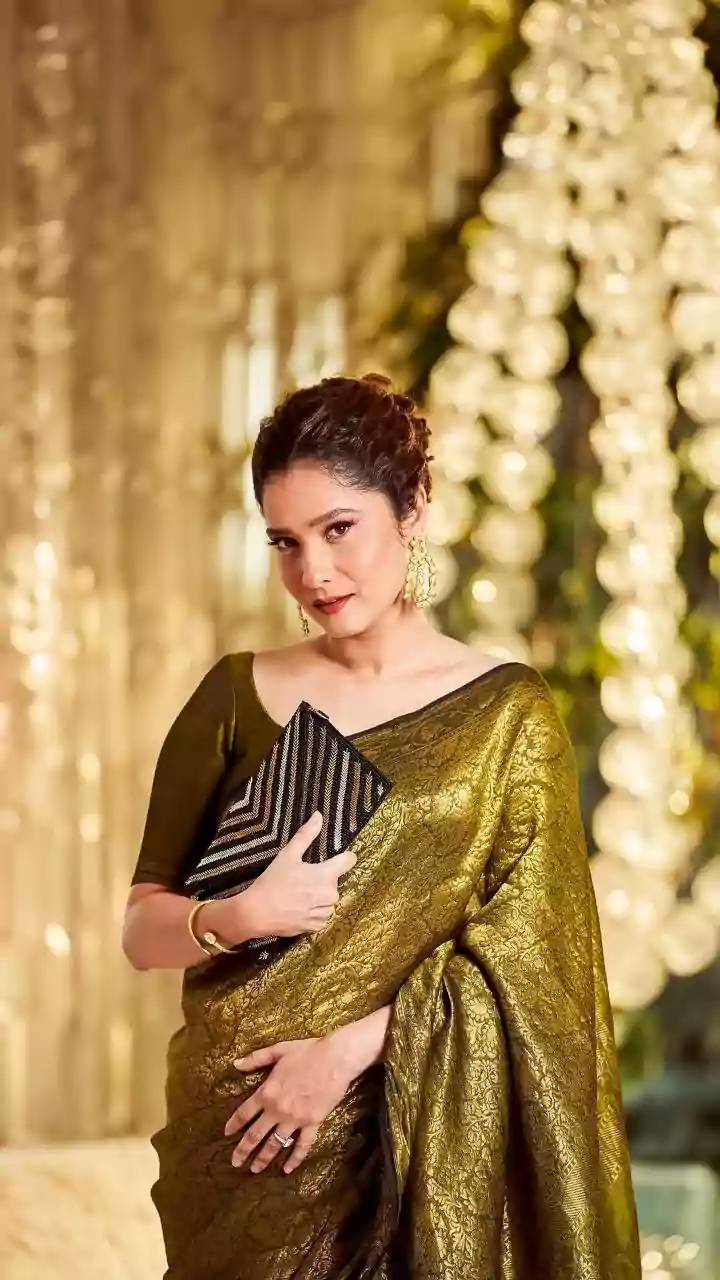
Social media platforms like Instagram and Pinterest have become virtual mood boards, democratizing fashion and accelerating trends. Influencers and content creators showcase endless ways to style traditional garments, from pairing a Jamdani saree with sneakers to layering a bandhani dupatta over a simple dress. A 2023 Meta study even revealed that 76% of consumers discover fashion brands through social platforms. This digital exposure provides validation and inspiration, encouraging millions to experiment. Seeing a traditional textile like Banarasi or a craft like Chikankari styled in a fresh, contemporary way makes it feel more relevant and attainable. Designers have also embraced this, creating fusion lines with modern cuts, innovative fabrics like georgette and chiffon, and unconventional colour palettes that cater to a global audience.
Weaving a Modern Identity
Ultimately, this trend is about more than just clothes; it’s about identity. For young Indians navigating a globalized world, fashion is a way to express their complex identities. Blending heritage wear with modern cuts allows them to honour their cultural roots while embracing contemporary, global aesthetics. It signifies a generation that is confident in its heritage and unwilling to choose between being 'Indian' and being 'modern'. It's a visual language that says, 'I can be both'. Designers are tapping into this sentiment, creating pieces that fuse traditional embroidery with contemporary silhouettes or using handloom fabrics for modern items like jumpsuits and co-ord sets. This approach celebrates India's rich textile history and craftsmanship while ensuring its place in the future of fashion.
A Nod to Sustainability
There's also a growing eco-consciousness driving this movement. As the conversation around fast fashion and sustainability gets louder, many young people are turning to 'slow fashion'. This includes upcycling and restyling old garments, particularly heirlooms like a mother's or grandmother's old silk sarees. By pairing these vintage pieces with modern blouses, jackets, or accessories, they give them a new life and a fresh context. This practice of 'fashion upcycling' is not only sustainable but also deeply personal, connecting the wearer to their family history while creating a unique, one-of-a-kind look. Brands are also focusing on sustainable practices, using natural dyes and handloom fabrics that appeal to this conscious consumer.