




The Science of Blue Light
The primary culprit in the phone-sleep saga is blue light. Screens on our phones, tablets, and computers emit a high-energy light in the blue spectrum, which is very similar to sunlight. Throughout the day, this is fine. But in the evening, as darkness
falls, our brains are supposed to produce a hormone called melatonin, which signals that it's time to get sleepy. Exposing our eyes to blue light at night confuses our internal body clock, suppressing melatonin production and tricking our brain into thinking it's still daytime. This makes it significantly harder to fall asleep, and the sleep you do get is often lighter and more fragmented.
More Than Just Light: An Overstimulated Brain
Even if you use a blue light filter or 'night mode', the content on your phone can be just as disruptive. Activities like scrolling through social media, reading stressful news, answering emails, or playing an engaging game all keep your mind in a state of cognitive arousal. Instead of winding down, your brain stays alert and active, making the transition to sleep difficult. Social media, in particular, can heighten stress and anxiety through social comparison and the 'fear of missing out' (FOMO), further preventing your mind from relaxing.
The Sleep-Scroll Vicious Cycle
Poor sleep and excessive phone use can create a self-perpetuating cycle. When you're sleep-deprived, your impulse control weakens. This makes it harder to resist the urge to check your phone. At the same time, the constant stream of notifications and new content on social media provides a quick dopamine hit that can feel rewarding, especially when you're tired. The result is that late-night scrolling worsens your sleep, and the resulting fatigue makes you crave the distraction of your phone even more. Studies have shown a clear link between increased screen time and a higher risk of insomnia and shorter sleep duration.
Creating Your 'Digital Sunset'
The key to breaking the cycle is not to abandon your phone, but to manage it wisely. This starts with creating a 'digital sunset' — a period of time before bed where you intentionally disconnect. Experts recommend putting away all screens at least one to two hours before you plan to sleep. Set an alarm to remind yourself that it's time to wind down. Use this phone-free hour for relaxing activities like reading a physical book, journaling, light stretching, or taking a warm bath. This helps signal to your body and mind that it's time to prepare for rest.
Make Your Bedroom a Screen-Free Zone
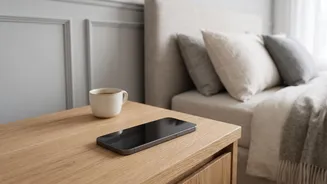
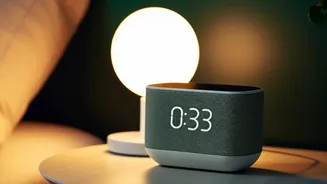
One of the most effective strategies is to physically remove the temptation. Make your bedroom a tech-free sanctuary. Instead of charging your phone on your nightstand, leave it in another room overnight. If you use your phone as an alarm, invest in a simple, inexpensive alarm clock instead. This prevents the urge to scroll if you wake up during the night and stops you from reaching for it first thing in the morning. By creating a clear boundary, you reinforce the idea that your bedroom is a space for rest and relaxation, not for screen time.