


Sabudana Khichdi from Maharashtra
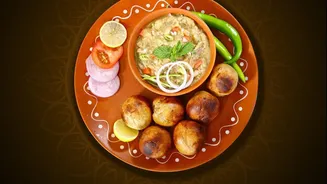
Arguably the most famous fasting dish in India, Sabudana Khichdi is a staple in Maharashtrian households during Sawan. Made from soaked tapioca pearls, this dish is light yet incredibly filling. The soft, pearly sabudana is tossed with roasted peanuts
for crunch, boiled potatoes for substance, and a simple tempering of cumin seeds and green chillies in ghee. It is a perfect example of how fasting food can be comforting and delicious, providing a quick source of energy for devotees observing a vrat, or fast. It's often garnished with fresh coriander and a squeeze of lemon juice, balancing the flavours beautifully.
Kuttu ki Puri from North India
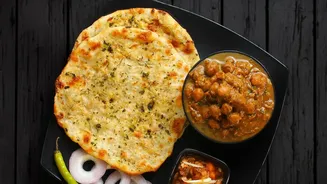
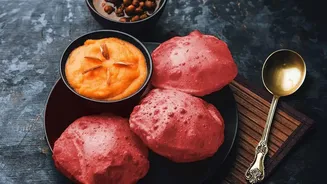
Across North India, especially in states like Uttar Pradesh, the earthy, nutty flavour of kuttu ka atta (buckwheat flour) is synonymous with festive fasting. Since regular wheat flour is avoided, these deep-fried puris offer a wonderful alternative. The dough is typically made by combining buckwheat flour with mashed boiled potatoes, which helps in binding the gluten-free flour and results in a puri that is delightfully crispy on the outside and soft inside. These dark, wholesome puris are the perfect vehicle for scooping up flavourful, vrat-friendly curries.
Vrat Wale Aloo from Punjab
What does one eat with Kuttu ki Puri? The answer is often Vrat Wale Aloo, a simple yet flavourful potato curry popular in Punjab and other parts of North India. This dish showcases the art of creating taste without using onions or garlic, which are avoided during Sawan fasts. Boiled potatoes are cooked in a light tomato-based gravy, seasoned with cumin seeds, green chillies, ginger, and, most importantly, sendha namak (rock salt), the only salt permitted during religious fasts. It's a humble, soulful dish that perfectly complements the rich taste of the puris.
Makhane ki Kheer from Bihar
For a touch of sweetness, many turn to Makhane ki Kheer, a creamy dessert with its roots in Bihar, a region known for its cultivation of makhana (fox nuts). These puffed lotus seeds are light and airy, and when simmered in milk, they soften and lend a unique texture to the kheer. Roasted in a little ghee before being added to the simmering milk, the makhana imparts a subtle, nutty aroma. Sweetened with sugar and flavoured with cardamom and saffron, this vrat-friendly dessert feels both indulgent and nourishing after a day of fasting.
Arbi ki Sabzi from the Himalayan Foothills
In regions like Uttarakhand, arbi, or colocasia root, is a popular fasting vegetable. Vrat ki Arbi ki Sabzi is a simple stir-fry that offers a welcome change from the usual potato dishes. The colocasia is first boiled, peeled, and then often shallow-fried in ghee until it becomes crisp and golden. It's then tossed with simple spices like ajwain (carom seeds), green chillies, and rock salt. The ajwain not only adds a distinctive flavour but is also believed to aid digestion, making this a thoughtful addition to a fasting menu.
Malpua from Rajasthan and the East
Malpua, a sweet, pancake-like dessert, is a festive treat enjoyed across many regions, especially Rajasthan and Eastern India, during the monsoon. Often associated with Lord Shiva, it is a popular offering during Sawan. The batter, typically made from flour, milk, and sometimes mashed banana, is flavoured with fennel and cardamom before being fried in ghee. The crispy, golden discs are then dunked in a fragrant sugar syrup. The result is a delightfully decadent sweet that is soft, syrup-soaked, and perfect for celebratory moments within the holy month.
Falahari Pakoras for a Rainy Evening
Sawan is the season of monsoons, and no rainy day feels complete without a plate of hot pakoras. For those fasting, Falahari Pakoras come to the rescue. These crispy fritters are made using vrat-approved flours like singhara atta (water chestnut flour) or kuttu atta instead of the usual gram flour (besan). Thinly sliced potatoes or other fasting vegetables are dipped in a spiced batter and deep-fried to golden perfection. They are light, crunchy, and pair wonderfully with a side of vrat-friendly coriander or mint chutney, proving that fasting food can also be fun and snack-worthy.