



How Your Phone Becomes a Pocket Planetarium
Modern stargazing apps transform your phone into a dynamic window to the heavens. They use a combination of your phone's built-in sensors to work their magic. The GPS pinpoints your exact location, the internal clock knows the precise time, and the magnetometer
(compass) and accelerometer determine the direction and angle you're holding your phone. By combining this data, the app creates an accurate, real-time map of the sky above you. When you point your phone at a bright dot in the sky, the app overlays information, telling you if you're looking at the planet Venus, a distant star, or the International Space Station flying by.
Stellarium: The All-Rounder
Stellarium is a favourite among both beginners and seasoned astronomers for its comprehensive and user-friendly interface. Available on desktop and as a mobile app, it provides a highly accurate simulation of the night sky. You can simply point your phone at the sky to identify objects in real time. The free version is incredibly powerful, showing constellations, major planets, and a vast catalogue of stars. It also allows you to simulate the sky for any date, time, and location, making it a great tool for planning future stargazing sessions. For those who want to go deeper, an in-app purchase unlocks access to a much larger catalogue of faint stars and galaxies.
Star Walk 2: The Visual Guide
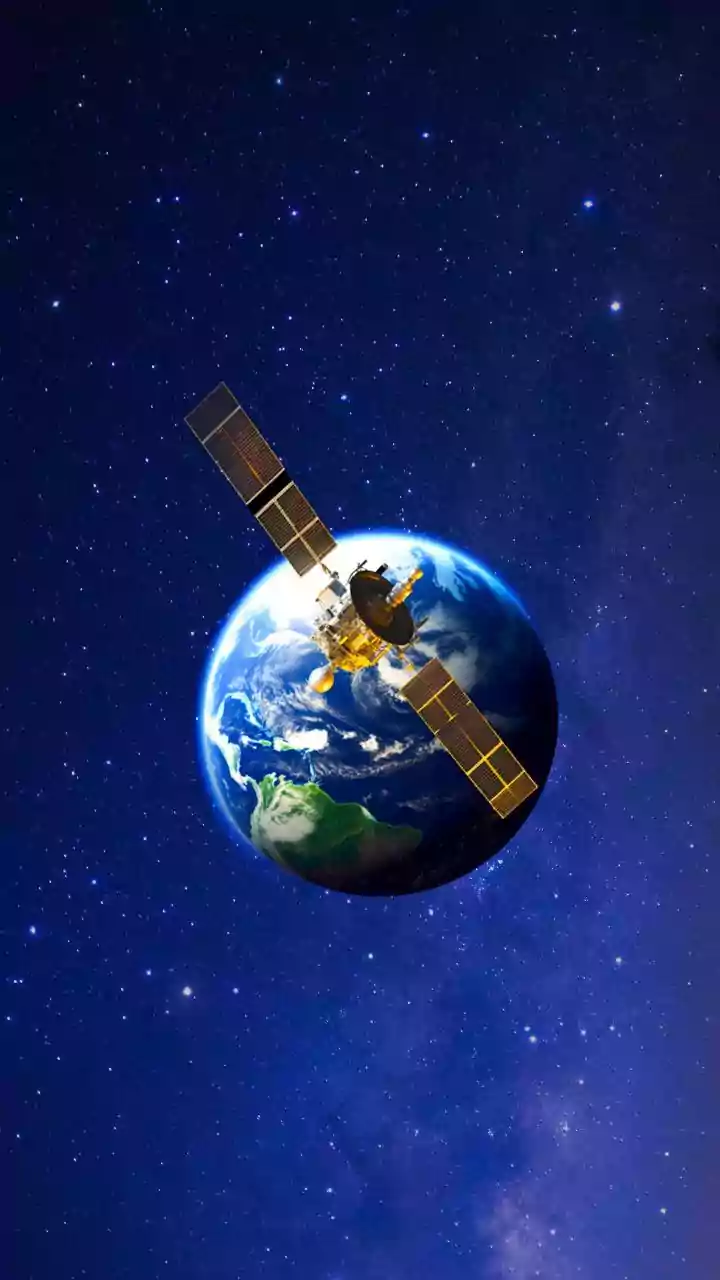
If you're looking for a visually engaging experience, Star Walk 2 is a fantastic choice. It's known for its beautiful graphics and intuitive design, making it a great astronomy guide for exploring the night sky. Like other apps, you just point your device at the sky to identify stars, planets, constellations, and even satellites like the Hubble Space Telescope. Its augmented reality (AR) feature overlays constellation artwork onto the sky, helping you visualise the shapes and figures behind the star patterns. The app also features a 'Time Machine' function, letting you see the sky in the past or future. While the free version is ad-supported, it offers more than enough to get any beginner started.
SkyView Lite: Point and Identify
SkyView Lite is celebrated for its simplicity and ease of use. Its core function is to let you point your device at the sky to identify celestial objects, from galaxies to satellites. A key feature is its ability to set reminders for celestial events, so you'll get a notification for an upcoming meteor shower or a planetary alignment. The app also works offline without a WiFi or data signal, which is perfect for camping trips or visiting remote, dark-sky locations. Its AR mode lets you use your camera to spot objects during the day or night, and a 'Sky Path' feature allows you to track the movement of any object across the sky over time.
What Planets Can You See This Month?
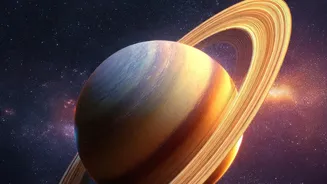
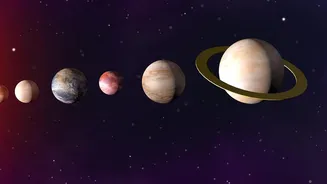
In late July 2026, you'll have several opportunities to spot planets. The super-bright planet Venus will be a dominant feature in the early evening western sky. Saturn rises in the east later in the night, around 11 PM by the end of the month, and will be visible until dawn. For early risers, reddish Mars can be found in the eastern sky before sunrise. While your app can help you find Neptune, you will likely need binoculars to spot its faint light. These apps will not only point you to the right location but also provide details about each planet as you observe it.
Tips for the Best Viewing Experience
To make the most of your stargazing session, first try to get away from city lights. Light pollution washes out fainter stars and planets, so a darker location will always yield better views. Second, give your eyes time to adjust. It takes about 20 to 30 minutes for your eyes to become fully adapted to the dark. To preserve your night vision, use the 'night mode' feature available in most of these apps, which tints the screen red. A bright white phone screen can ruin your dark adaptation in seconds. Finally, be patient. Wave your phone in a figure-eight motion if the app seems inaccurate; this helps calibrate the internal compass, which can sometimes be thrown off by nearby metal objects.