







Why Your Garnish Is Suddenly a Luxury
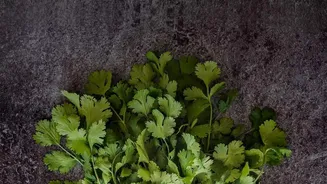
The primary culprit behind the shocking price rise is the erratic and intense monsoon. Heavy rainfall in key coriander-growing regions, particularly around Nashik in Maharashtra, has wreaked havoc on the supply chain. Late July floods damaged standing
crops, making it difficult to harvest good-quality coriander. This is compounded by the fact that leafy greens are highly perishable; excess moisture not only harms the plant in the field but also reduces its shelf life, making long-distance transport to markets like Delhi extremely challenging. As a result, the steady flow of fresh coriander from farms to urban mandis has been severely disrupted, creating a classic case of supply falling far short of demand.
A Look at the Staggering Numbers
The price jump has been dramatic. In Delhi's Azadpur mandi, one of the country's largest wholesale markets, fresh coriander prices shot up to ₹175 per kilogram, with some reports noting a brief surge to ₹200. This is a massive leap from the typical wholesale rate of around ₹25 per kg usually seen at this time of year. For consumers, the impact is even more severe. Retail prices have climbed to ₹220-230 per kg in many areas, transforming what was once a routine purchase into a calculated expense. The volatility is so high that traders find it difficult to predict daily prices, which can multiply overnight if a shipment is delayed. This instability directly translates to the higher prices you see at your local vegetable cart.
The Ripple Effect on Kitchens and Budgets
For millions of Indian households, the soaring cost of coriander is more than just an inconvenience. It directly impacts daily meals and monthly budgets. Coriander is not just a garnish; it is a foundational ingredient in chutneys, masalas, dals, and countless other dishes. The price hike means that the fresh, citrusy flavour essential to so many recipes is now being used more sparingly. This affects not only home kitchens but also street food vendors and small restaurants, who rely on these basic ingredients to maintain taste and affordability. The surge in coriander prices is part of a broader trend of rising costs for other kitchen staples like ginger and garlic, contributing to overall food inflation and putting a noticeable strain on household finances.
Navigating the Price Spike: Smart Alternatives
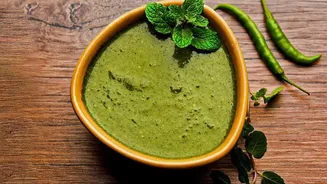
While waiting for prices to stabilise post-monsoon, there are several ways to adapt without sacrificing flavour entirely. If a recipe calls for fresh coriander leaves, flat-leaf parsley can serve as a decent visual and textural substitute, though it lacks the distinct citrusy note. For curries and stews where coriander is a background flavour, using a bit more cumin or curry powder can compensate, as both spice blends often contain ground coriander. Mint is another versatile herb that can bring a different but equally refreshing aroma to dishes where you might have used coriander. In some cases, a mix of finely chopped herbs like dill, parsley, and tarragon can create a complex flavour that helps fill the gap left by pricey dhaniya. Thinking creatively about substitutes can help manage your budget until supplies normalise.