



The Aesthetic: Playful Symmetry vs. Singular Elegance
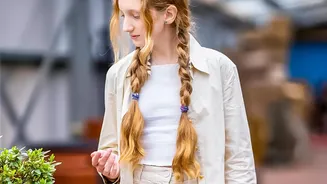
The most immediate difference between twin fishtail braids and a single back braid is the feeling they project. Twin braids, by their very nature, create a sense of youthful energy and playful symmetry. The style frames the face evenly on both sides,
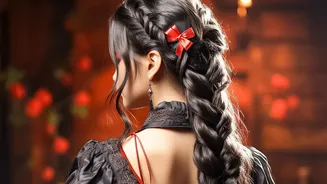
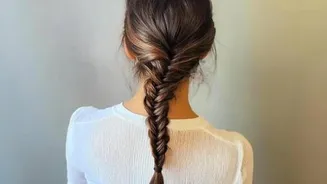
drawing attention to your features with a balanced, mirrored effect. It has a modern, slightly bohemian vibe that feels intentional and styled, even when worn casually. It’s a look that says 'effortlessly put-together' and works perfectly for festivals, casual outings, and daytime events.A single back braid, whether it's a classic three-strand, a French braid, or an intricate fishtail, offers a more streamlined and classic elegance. It creates one strong, central line down the back, resulting in a polished and sophisticated silhouette. This style can feel more formal and timeless, making it a go-to for everything from the office to traditional functions and weddings. While a single braid is unified and graceful, twin braids are expressive and dynamic.
The Art of the Braid: Technique and Time
When it comes to effort, the two styles present different challenges. A single back braid, particularly a simple three-strand one, is often the first braiding technique many people learn. It’s relatively quick and can be done without much thought. A French or Dutch braid requires more skill, incorporating new hair with each weave, but remains a singular motion down the back.Twin fishtail braids demand more patience. The fishtail technique itself involves weaving small sections of hair from two main strands, which can be time-consuming. Doing this twice means parting the hair neatly and ensuring both braids look relatively even—a test of both dexterity and time. However, the intricate, herringbone-like pattern of a fishtail is what gives it a more detailed and elevated look compared to a simple three-strand braid. Many find it easier to work on side braids where they can see what they're doing, as opposed to a single braid down the back.
Versatility for Indian Occasions
In the context of Indian festivities and daily life, each braid has its place. A classic single braid, often adorned with flowers (gajra) or traditional accessories, is a staple for weddings and religious ceremonies. Its sturdy and elegant structure provides a perfect base for heavy dupattas and hair jewellery like a maang tikka.Twin fishtail braids, on the other hand, shine in more relaxed, contemporary settings. They are perfect for a Mehendi or Sangeet function, college festivals, or a day out with friends. Their playful nature pairs beautifully with Indo-Western outfits, kurtis, and modern lehengas. While less traditional for a main wedding ceremony, they offer a fresh and fashionable alternative for pre-wedding events where comfort and style are key. For active days, twin braids also keep hair more securely contained and out of the way.
Finding the Right Fit for Your Hair
Hair type and length also play a role in which style works best. A single, long braid is a beautiful way to showcase length and can work on almost any hair texture, from straight to curly. For those with very thick hair, a single braid can be a manageable and stunning option.Twin fishtail braids are surprisingly versatile. For those with fine or thin hair, splitting the hair into two braids can create the illusion of more volume. The intricate weave of the fishtail itself adds texture and bulk. After braiding, gently pulling on the edges—a technique called 'pancaking'—can make the braids appear fuller and more voluminous. This style also works well for layered hair, as the smaller sections used in fishtail braiding can help catch shorter pieces that might escape a classic three-strand braid.