








The Science of Monsoon Sluggishness
The cosy feeling of the monsoon comes with a biological downside: our digestive system slows down. The high humidity, reduced sunlight, and overall dampness can lead to a sluggish metabolism. In Ayurvedic terms, this is described as a weakened 'Agni'
or digestive fire. Think of your digestive system as a furnace; during the monsoon, it's damp and struggles to burn fuel efficiently. This is why heavy, oily, and hard-to-digest foods can lead to bloating, acidity, and general discomfort. The simple advice you hear year after year is designed to do one thing: give your digestive system a much-needed break and support it through a challenging season.
Why Light and Warm Meals Rule
This brings us to the most common recommendation: eat light, warm, and freshly cooked food. Dishes like moong dal khichdi, vegetable soups, and steamed foods are your best friends during the monsoon. They are easy on the stomach and provide essential nutrients without overburdening your digestive system. A warm soup not only soothes the soul on a rainy day but also aids digestion and helps maintain body temperature. Conversely, cold foods and drinks can further dampen your 'Agni', making digestion even more difficult. So, swapping your cold salads and iced drinks for warm, cooked meals and herbal teas is a scientifically sound move to keep your gut happy.
The Controversy Around Leafy Greens
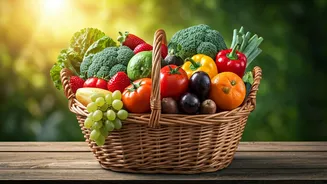
You're often told to avoid leafy green vegetables like spinach and cabbage during the rains. This advice seems counterintuitive, as they are usually hailed as superfoods. The reason is simple: contamination. The damp, muddy conditions are a perfect breeding ground for germs, bacteria, and worms. Leafy vegetables, with their many layers and crevices, can easily trap these contaminants, making them risky to consume raw or undercooked. If you can't live without your greens, the key is to be meticulous. Wash them thoroughly in clean water, perhaps with a drop of vinegar or a pinch of salt, and, most importantly, cook them well. High heat kills most harmful pathogens, making them safer to eat.
The Temptation of Street Food
The craving for a hot plate of pakoras or a spicy samosa is strongest when it’s pouring outside. However, this is when your favourite street food stall is at its riskiest. The monsoon season sees a spike in water-borne diseases like cholera, typhoid, and diarrhoea. Water used for cooking, washing, or making chutneys on the street can easily get contaminated. The oil used for frying might be reused multiple times, making the food heavy and even more difficult to digest. While it’s a tough ask, avoiding street food is one of the most effective ways to prevent falling sick during the monsoon. If the craving is unbearable, try recreating your favourite snacks at home in a clean, hygienic environment.
Boost Immunity with Spices and Probiotics
Your diet isn't just about avoiding illness; it's also about actively building strength. The monsoon is the perfect time to embrace the power of Indian spices. Turmeric, ginger, garlic, black pepper, and cinnamon are not just flavour enhancers; they are packed with anti-inflammatory and anti-bacterial properties. A warm cup of ginger tea or adding a pinch of turmeric to your milk can boost your immunity and aid digestion. Probiotics are another key ally. Including fermented foods like curd (yoghurt) and buttermilk in your diet helps maintain a healthy gut microbiome, which is crucial for both digestion and a strong immune system. A healthy gut is your first line of defence against infections.