


Your Scalp Is More Than Just Skin
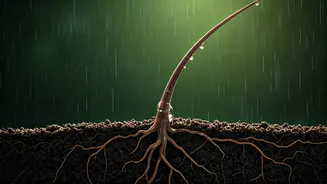
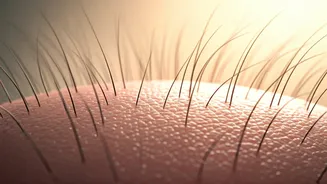
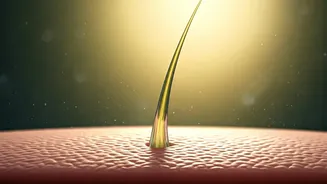
Think of your scalp as the soil from which your hair grows. For a plant to thrive, its soil must be balanced and nutrient-rich. Similarly, for your hair to be healthy, your scalp needs to be in optimal condition. Each hair strand emerges from a follicle,
a tiny pocket in the skin. The environment surrounding this follicle—the scalp—directly influences the hair growth cycle. When the scalp is compromised by inflammation, infection, or buildup, it can disrupt this delicate cycle, leading to weakened hair shafts and, eventually, noticeable hair fall.
Inflammation: The Silent Follicle Enemy
Inflammation is one of the most common scalp issues linked to hair loss. Conditions like seborrheic dermatitis (the primary cause of dandruff), psoriasis, and eczema create a state of chronic inflammation. This inflammatory response releases chemicals that can damage hair follicles and shorten the 'anagen' or growth phase of the hair cycle. This forces hair into the 'telogen' or resting phase prematurely, leading to increased shedding. What you might dismiss as simple flaking or itching could be a sign of an underlying inflammatory process that is actively contributing to your hair fall.
When Product Buildup Causes Problems
We love our dry shampoos, serums, and styling mousses, but without proper cleansing, they can cause more harm than good. Product residue, combined with natural oils (sebum) and dead skin cells, can create a thick layer on the scalp. This buildup can clog hair follicles, a condition that may lead to folliculitis—an inflammation of the hair follicles that looks like small pimples. A blocked follicle is an unhealthy environment for hair growth. It can physically obstruct the hair shaft and create a breeding ground for bacteria and yeast, further exacerbating inflammation and hair shedding.
The Impact of Oxidative Stress
Oxidative stress is another invisible factor that can wreak havoc on your scalp and hair. It occurs when there's an imbalance between damaging free radicals and the body's ability to counteract them with antioxidants. External factors like UV radiation from the sun, pollution, and even harsh chemicals in hair products can generate free radicals on your scalp. These volatile molecules can damage the cells of the hair follicle, leading to premature ageing of the scalp. This process, known as 'scalp ageing', can result in finer hair, a slower growth rate, and increased hair fall over time.
Listening to Your Scalp’s Signals
Your scalp will often send you signals when something is wrong. Paying attention to these clues is the first step toward addressing the root cause of hair fall. Key signs to watch for include: persistent itchiness, visible flakes (white or yellowish), redness or irritation, tenderness or pain when you touch your scalp, small bumps or pimples, and an excessively oily or dry scalp. Ignoring these symptoms is like ignoring the warning light in your car; it's best to investigate before the problem gets worse.
How to Cultivate a Healthy Scalp
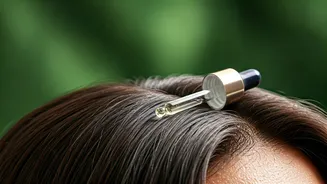
Promoting a healthy scalp doesn't require a complicated routine. It starts with a foundation of good hygiene. Wash your hair regularly with a gentle shampoo to prevent buildup. Consider using a clarifying shampoo once a week or every two weeks to deep-clean the scalp. Look for products with ingredients targeted at scalp health, such as salicylic acid to exfoliate, ketoconazole to fight fungus (for dandruff), and antioxidants like vitamin E. A gentle scalp massage can also boost circulation, delivering more nutrients to the follicles. Most importantly, if your scalp issues are persistent or your hair loss is severe, it's crucial to seek professional advice.