


Prepare Before You Step Out
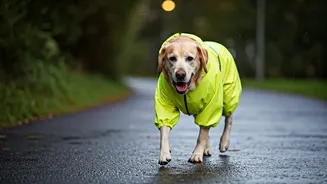
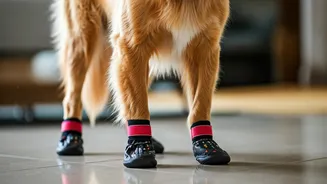
A successful post-walk cleanup begins before you even leave the house. Think of it as setting the stage for a stress-free return. First, consider a lightweight, waterproof raincoat for your dog. While some dogs resist them initially, a good-fitting coat can
significantly reduce the amount of water and mud they bring back. More importantly, create a designated 'drying zone' right by your entrance. Lay down old newspapers or a highly absorbent doormat. Have your towels, a paw-cleaning tool (like a silicone paw washer), and any treats for positive reinforcement ready and waiting. This simple setup prevents muddy paw prints from trailing through your home and signals to your dog that a specific routine is about to happen. By preparing in advance, you transform a frantic reaction into a controlled, predictable process.
Master the Art of the Dry-Off
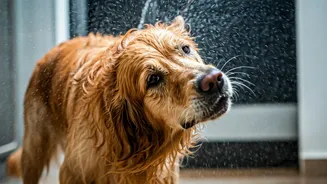
The 'dry towel' part of the headline is crucial, but the type of towel and your technique matter immensely. Ditch the standard cotton bath towels, which can be rough on fur and quickly become saturated. Instead, invest in a set of high-quality microfiber towels. They are far more absorbent, dry faster, and are gentler on your dog's coat. The correct technique is to blot and squeeze, not rub vigorously. Rubbing can cause matting, especially in long-haired breeds, and can be uncomfortable for your pet. Start from the head and work your way down their back, legs, and tail. Pay special attention to the underbelly and armpits, where water tends to collect. For the paws, gently press the microfiber towel between their pads to soak up moisture. Having two or three towels on hand allows you to switch to a dry one as the first gets damp, ensuring a more thorough job.
Instilling Calm and 'Wait'
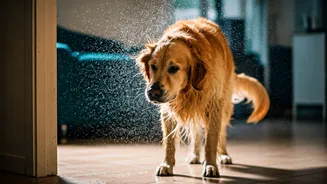
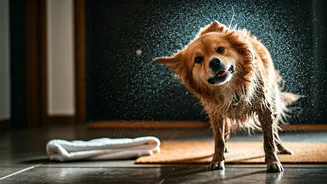
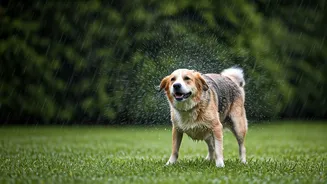
This is where 'discipline' comes into play, but think of it less as punishment and more as cooperative training. The goal is to make the drying routine a calm, expected part of every walk. The single most important command to teach is 'wait'. Train your dog to wait patiently at the door before being allowed inside. This prevents them from bolting in and shaking water all over your furniture. Reward them with a treat or praise when they comply. As you dry them, use calm, reassuring language. If your dog is fidgety, teach a 'stand' or 'stay' command, rewarding them for short periods of stillness. Turn the process into a positive bonding experience rather than a wrestling match. If they are anxious, start with very short drying sessions and gradually increase the duration. Consistency is key; every single wet walk must end with this same calm routine.
Don't Forget the Paws and Ears
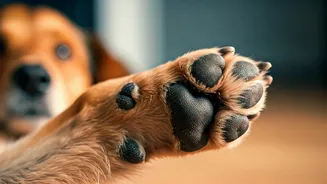
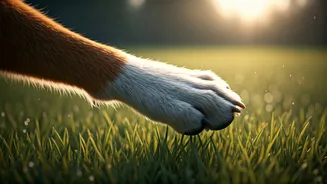
A quick towel-down is often not enough, especially during the Indian monsoon when puddles can hide all sorts of debris. After the initial drying, conduct a thorough check of your dog's paws. Look for any cuts, thorns, or small stones lodged between their pads. The dampness makes their skin softer and more prone to injury. A gentle paw washer or a damp cloth can help remove stubborn mud. Next, check their ears. Droopy-eared breeds are particularly susceptible to ear infections, as moisture trapped in the ear canal creates a breeding ground for bacteria and yeast. Use a soft, dry cloth or a vet-approved ear cleaning solution to gently wipe the outer part of the ear. Never insert anything deep into the ear canal. This detailed check prevents minor issues from escalating into painful infections.
The Health Behind the Hygiene
This routine is about more than just a clean house; it's fundamental to your dog's health during the wet season. Damp fur that isn't dried properly can lead to a host of skin problems, including painful hot spots (acute moist dermatitis), fungal infections, and bacterial pyoderma. These conditions are itchy, uncomfortable, and often require veterinary intervention. By ensuring your dog is thoroughly dry, you create an environment where these pathogens can't thrive. Furthermore, the constant dampness and mud can irritate their paw pads, leading to inflammation or pododermatitis. A consistent cleaning and drying regimen is your first and best line of defence against common monsoon-related ailments, saving your pet from discomfort and saving you from potential vet bills.