


So, What Is a Chia Bowl?
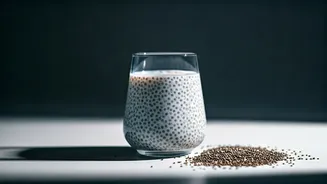
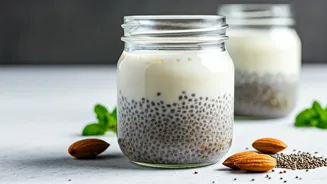
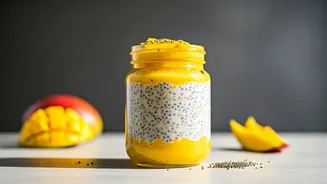
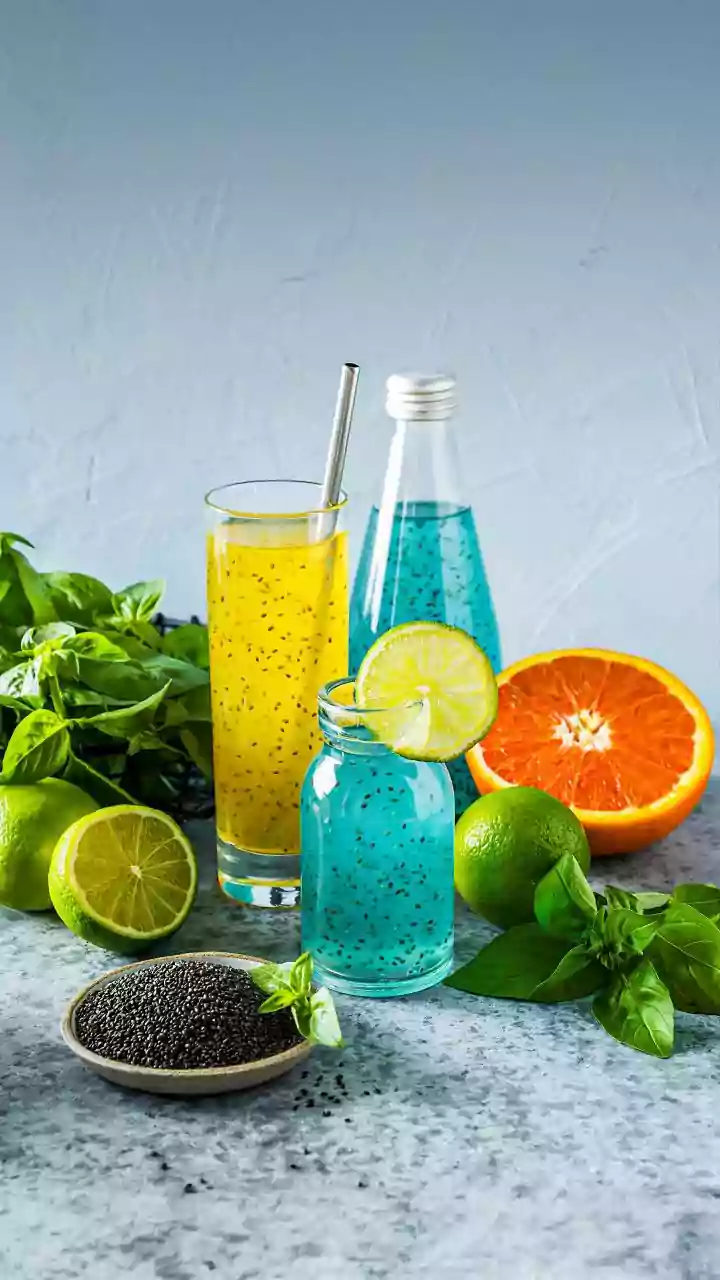
At its core, a chia bowl is a form of pudding made from chia seeds. When these tiny black or white seeds are soaked in a liquid—typically a plant-based milk like almond, coconut, or oat, but also juice or even water—they absorb up to 12 times their weight,
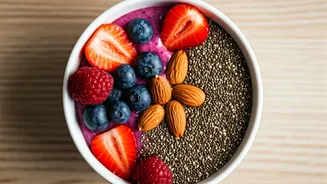
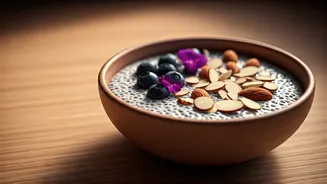
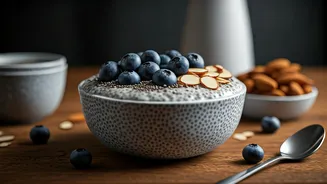
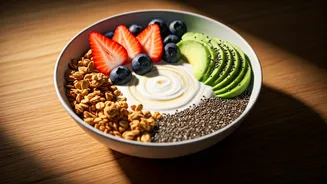
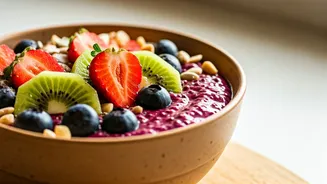
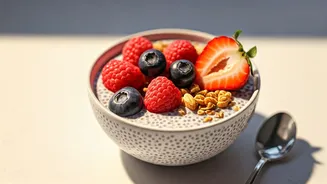
forming a gel-like, tapioca-esque texture. This process doesn't require any cooking. You simply mix the seeds with your liquid of choice, let it sit for a few hours or overnight in the fridge, and you have a ready-to-eat base. The magic, however, is in the customisation. The plain pudding serves as a blank canvas. Young adults are topping their bowls with a vibrant array of fruits, nuts, seeds, granola, coconut flakes, and drizzles of honey or maple syrup. It's a breakfast that’s as much an art project as it is a meal, making it perfect for sharing on Instagram or TikTok.
The Nutritional All-Star
The swap from a bowl of processed cereal to a chia bowl isn't just about aesthetics; it's a significant nutritional upgrade. Chia seeds are widely celebrated as a superfood for good reason. Just two tablespoons pack a punch with approximately 10 grams of fibre, 5 grams of protein, and a wealth of omega-3 fatty acids, which are crucial for brain health. They are also a great source of minerals like calcium, magnesium, and phosphorus. This high fibre content promotes a feeling of fullness, which can help prevent overeating later in the day. The combination of fibre, protein, and healthy fats provides a slow release of energy, avoiding the blood sugar spike and subsequent crash often associated with sugary breakfast cereals. For a generation increasingly focused on 'functional foods'—foods that offer health benefits beyond basic nutrition—the chia bowl is a perfect fit.
More Than Just a Health Kick
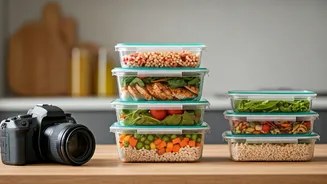
While the health benefits are a major driver, the trend is also deeply rooted in modern lifestyle needs. Firstly, there's the convenience factor. Chia pudding can be prepared the night before, making it a grab-and-go option for busy mornings. It aligns perfectly with the meal-prep culture popular among young professionals and students. Secondly, it caters to the growing demand for plant-based and allergen-friendly options. As more people move away from dairy for ethical, environmental, or health reasons, chia pudding made with plant-based milk is an easy and delicious alternative. It's naturally gluten-free, and its customisable nature means it can be adapted for almost any dietary preference. This flexibility is a huge draw for a generation that values personalisation in everything from their coffee orders to their breakfast bowls.
Is It Really a Milk Replacement?
The headline's claim of swapping 'regular milk' for chia bowls is more symbolic than literal. People aren't forgoing a glass of milk for a bowl of seeds. Instead, they are replacing breakfasts that are traditionally built around milk, like cereal. While a bowl of fortified cereal with cow's milk delivers vitamin D and a significant amount of calcium, a typical chia bowl offers a different nutritional profile. For instance, two tablespoons of chia seeds contain more calcium by weight than milk, but a standard serving of pudding might use less. The key difference lies in the fibre and omega-3s, which are abundant in chia but absent in milk. So, it's not a direct one-for-one swap, but rather a shift in breakfast philosophy: from a quick, often processed meal to one that is whole-food-based, nutrient-dense, and highly customisable.