






Why We Soak Dal in the First Place
The tradition of soaking dals and legumes before cooking is a cornerstone of Indian kitchens, passed down through generations. There's solid science behind this practice. Soaking helps to soften the lentils, which significantly cuts down on cooking time
and saves fuel. More importantly, it improves digestibility. Lentils contain compounds like phytic acid and tannins, which can block the absorption of essential minerals like iron, zinc, and calcium. They also have complex sugars called oligosaccharides, which can cause bloating and gas. Soaking helps to break down these anti-nutrients, making the dal gentler on your stomach and allowing your body to absorb more of its goodness.
Meet the No-Soak Superstars
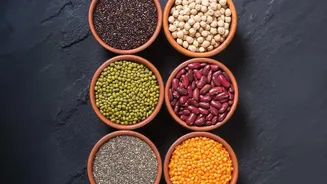
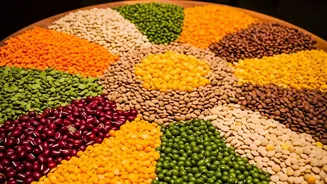
The good news for the forgetful cook is that not all dals are created equal. Smaller, split, and hulled (skinless) lentils cook much faster and don't strictly require a long soak. The undisputed champions of quick cooking are masoor dal (split red lentils) and moong dal (split yellow lentils). These dals are thin and readily absorb water, softening in as little as 10 to 20 minutes on the stovetop. Split urad dal can also be cooked without soaking, though it might take a few minutes longer. Because they are already split and have had their tough outer skin removed, they break down easily, creating that creamy texture we love in a good dal tadka or sambar without hours of prep.
When Soaking Is Still Your Best Bet
While you can get away with skipping the soak for masoor and moong dal, larger and whole dals still demand patience. Whole legumes like rajma (kidney beans), chana (chickpeas), and whole urad dal (black gram) have tough skins and a dense structure. Cooking them without an overnight soak of at least 8-12 hours is a recipe for a dish that is hard, difficult to digest, and can take an excessively long time to cook. Similarly, larger split dals like chana dal and toor (arhar) dal, while technically cookable without soaking, benefit greatly from it. A soak of even 30-60 minutes will improve their texture, reduce cooking time, and make them easier on the digestive system.
The Quick-Soak Compromise
What if you're set on making chana dal but only have an hour before dinner? You can turn to a quick-soak method. This technique mimics the effects of a long soak in a fraction of the time. Simply rinse your lentils, place them in a large pot, and cover them with boiling water. Let them sit for about an hour, then drain the water and proceed with your recipe as usual. This hot water bath helps to soften the lentils quickly, giving them a head start before they even hit the heat. While it may not be as effective at breaking down anti-nutrients as a long, cool soak, it's a fantastic compromise when you're short on time.