

A Planet for All Seasons
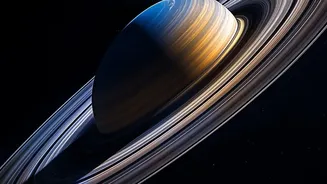
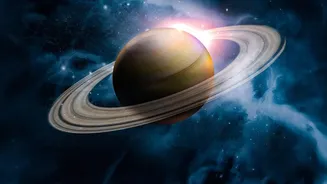
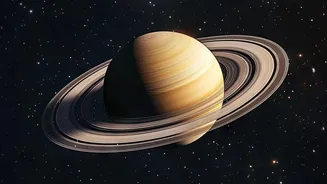
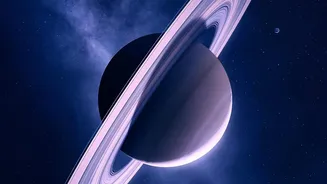
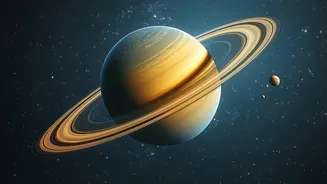
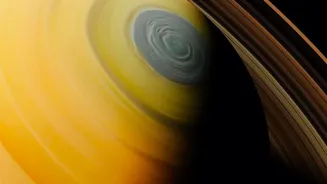
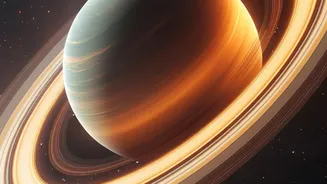
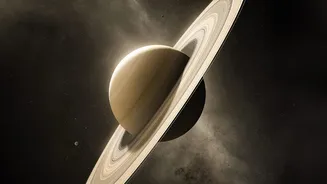
Just like Earth, Saturn has seasons. Thanks to its axial tilt of about 27 degrees, different parts of the planet receive varying amounts of sunlight as it completes its colossal 29.5-year orbit around the Sun. This means each season on Saturn lasts for
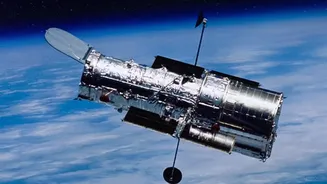
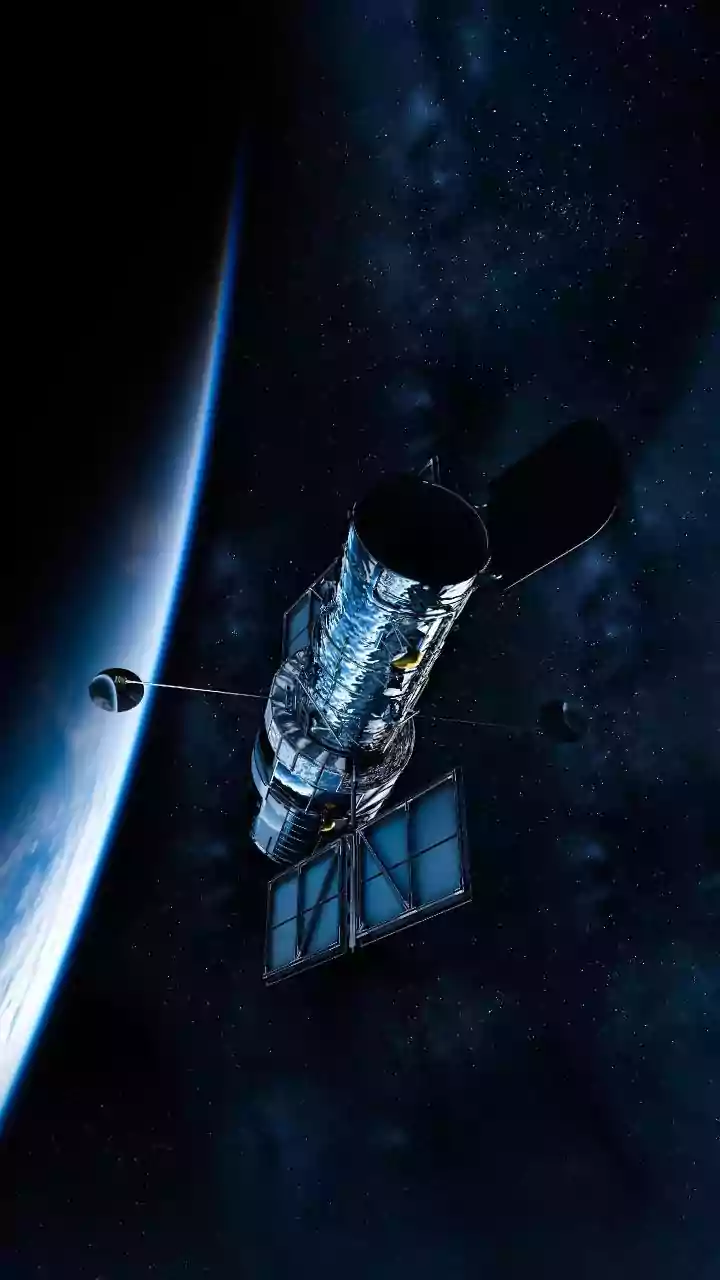
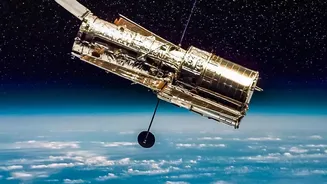
more than seven Earth years, bringing profound changes to its atmosphere. Recent observations using the Hubble Space Telescope have provided an unprecedented look at these seasonal transitions, showing how the gas giant’s northern hemisphere shifted from summer toward autumn. These studies reveal a planet that is far from static, with noticeable year-to-year variations in its colourful atmospheric bands.
Peering Through the Haze with Infrared
Observing these changes is no simple task. Saturn's atmosphere is thick with haze, obscuring the deeper layers from view in visible light. This is where infrared technology becomes essential. By capturing images in infrared wavelengths, telescopes like Hubble and the James Webb Space Telescope can cut through the atmospheric haze. Infrared light allows scientists to sense heat and probe different depths of the atmosphere, effectively peeling back the layers of the planet like an onion. This provides crucial information on temperature, winds, and the chemical composition of clouds made of ammonia ice crystals and other compounds. The result is a three-dimensional map of a dynamic and complex weather system.
What Hubble Actually Saw
By analysing a series of images taken between 2018 and 2020, researchers documented subtle but significant shifts. As the northern hemisphere moved out of its summer peak, its equatorial region brightened by 5 to 10 percent. They also noted changes in wind speeds, which are notoriously ferocious on Saturn. In 2018, equatorial winds were measured at around 1,600 kilometres per hour, significantly faster than the 1,300 km/h speeds recorded by the Cassini spacecraft years earlier. By 2020, the winds had slowed again, suggesting that cloud height may have varied, altering where the wind speeds were measured in the atmospheric column. A reddish haze also appeared over the northern hemisphere, possibly due to increased heating from summer sunlight altering atmospheric chemistry.
A Tale of Two Hemispheres
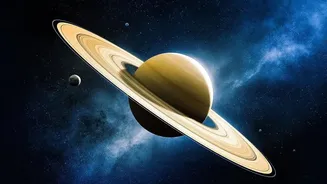
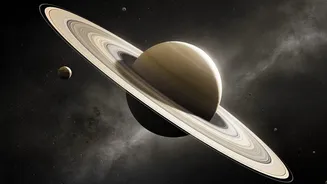
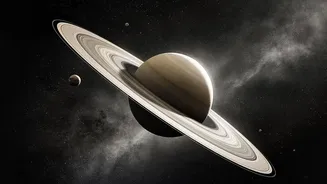
Saturn’s long seasons create a fascinating interplay between its two hemispheres. As one hemisphere enjoys years of continuous sunlight during its summer, the other is plunged into a long, dark winter. The shadow cast by Saturn's immense ring system also plays a crucial role, cooling the parts of the atmosphere it falls upon. As the seasons change, the area covered by this shadow shifts. Scientists using data from the Cassini mission were struck by how quickly the atmosphere responded. As regions emerged from the rings' shadow during the spring equinox, their temperatures warmed rapidly, demonstrating a surprisingly swift atmospheric response to changes in solar energy. This creates a massive, planet-wide energy imbalance that drives much of its weather.
Why This Discovery Matters
Mapping Saturn's seasonal changes provides a vital natural laboratory for understanding all giant planets, both in our solar system and beyond. The data helps scientists refine their models of planetary atmospheres, explaining how they transport heat and how weather patterns form and evolve over decades. Programs like Hubble's Outer Planets Atmospheres Legacy (OPAL) create a long-term record of these changes, tracking storms and atmospheric shifts year after year. By combining Hubble's long-term observations with the powerful infrared capabilities of the newer James Webb Space Telescope, we are getting a richer, more complete picture of how these magnificent worlds function as connected, three-dimensional systems.