







Understanding the Humidity Havoc
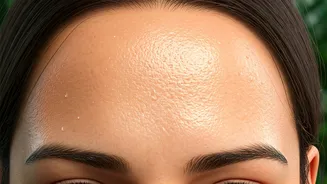
The core challenge during the monsoon is the spike in humidity. When moisture levels in the air rise, your skin's sebaceous glands can go into overdrive, producing more oil (sebum). [8, 12] This excess oil, combined with sweat and environmental pollutants,
can lead to clogged pores, creating a perfect storm for breakouts and a dull complexion. [8, 12] Furthermore, the constant dampness can weaken the skin's natural protective barrier, making it more vulnerable to bacterial and fungal infections. [2, 3] The warm, moist environment is an ideal breeding ground for these microorganisms, which is why issues like acne and itching become more common. [4, 7]
Tackling Acne and Oily Skin
For those with oily or acne-prone skin, the rainy season can feel like a constant battle. The increased oil production can lead to more frequent breakouts, including pimples, blackheads, and whiteheads. [8] The key is to manage this excess oil without stripping the skin of its natural moisture. It is advisable to cleanse your face twice daily with a gentle, non-comedogenic cleanser, preferably one containing salicylic acid to help keep pores clear. [3, 20] Many people make the mistake of over-washing, which can irritate the skin and trigger even more oil production. [24] After cleansing, using an alcohol-free toner can help tighten pores. Finally, don't skip the moisturiser; opt for a lightweight, gel-based, or water-based formula that hydrates without adding grease. [24, 30]
Preventing Fungal Infections
Fungal infections are one of the most common skin problems during the monsoon. [3, 5] Fungi thrive in warm, damp conditions, making skin folds—like underarms, the groin area, and between the toes—particularly susceptible. [4, 11] These infections often appear as red, itchy, and sometimes circular rashes like ringworm or athlete's foot. [5, 15] Prevention is crucial. The most important step is to keep your skin as dry as possible. [3] This means changing out of wet clothes or sweaty gym wear immediately, drying yourself thoroughly after a shower, and wearing loose, breathable fabrics like cotton. [4, 13] Using an antifungal powder in areas prone to sweating can also be highly effective. [3, 19]
Don't Forget Sunscreen on Cloudy Days
One of the biggest myths about monsoon skincare is that you can skip sunscreen when it's cloudy or raining. [22] However, up to 80% of the sun's harmful UV rays can penetrate through cloud cover. [10, 28] These rays are responsible for premature ageing, pigmentation, and long-term skin damage. [10, 14] Therefore, applying a broad-spectrum sunscreen with an SPF of 30 or higher should remain a non-negotiable part of your daily routine. [16, 23] For humid weather, a lightweight, non-greasy, or gel-based sunscreen is ideal as it won't feel heavy or clog pores. [18, 29] It is also recommended to reapply every few hours, especially if you have been sweating or exposed to rain. [14]
Simple Swaps for Your Monsoon Routine
Adapting to the season doesn't require a complete overhaul of your skincare cabinet, but a few smart swaps can make a big difference. Switch from heavy, cream-based moisturisers to lightweight, water-based formulas. [17, 31] If you wear makeup, consider non-comedogenic products or a tinted moisturiser to avoid clogging pores. [17, 19] Gentle exfoliation once or twice a week with a mild chemical exfoliant can help remove the buildup of dead skin cells and keep your skin looking fresh. [28, 30] Lastly, incorporating ingredients with antioxidant and antibacterial properties, such as Vitamin C, neem, or tea tree oil, can help protect the skin and keep infections at bay. [20, 27]