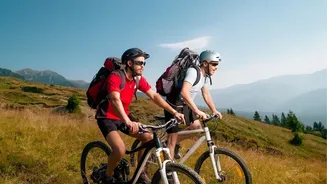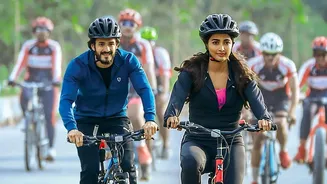






On any given Sunday morning, the streets of Mumbai, Bengaluru, and Delhi are witnessing a new kind of rush hour. Thousands of amateur cyclists are taking to the roads, not for the daily commute, but for the thrill of an organised group ride.
The Post-Pandemic Fitness Boom
The simplest
reason for cycling’s resurgence is a renewed national focus on health and wellness. Following the pandemic, many Indians began seeking out fitness activities that were safe, engaging, and could be done outdoors. Unlike a monotonous gym routine, cycling offers a dynamic, low-impact workout that builds cardiovascular endurance and muscular strength while being gentler on the joints than running. This has made it an attractive option for a wide demographic, from young professionals to middle-aged enthusiasts. Government initiatives like 'Fit India Sundays on Cycle' have further amplified this trend, encouraging lakhs of citizens to embrace cycling for its health benefits.
More Than a Race, It’s a Community
For many participants, the appeal of a weekend cyclothon goes far beyond physical exercise. These events have become powerful social hubs. Cycling clubs and informal groups have mushroomed in major cities, coordinating rides and sharing tips through social media. This sense of community is a major draw, transforming a solo activity into a shared experience. Events often include different categories for professionals, amateurs, and even fun 'Green Rides', making them accessible to all skill levels and fostering a welcoming atmosphere. Completing a ride, receiving a finisher's medal, and sharing the achievement with fellow riders creates a powerful sense of belonging and accomplishment that keeps people coming back.
The Rise of Aspirational Cycling
The humble bicycle has undergone an image makeover. Once seen as a poor person's transport, high-end road bikes and sophisticated gear have turned cycling into an aspirational lifestyle hobby. Bicycles can now cost lakhs, and owning a premium model has become a status symbol for a section of the urban upper class. This 'cycle-chic' phenomenon is visible in the sleek jerseys, advanced GPS trackers, and performance-oriented bikes common at city events. This aspirational aspect attracts a new wave of riders who view cycling not just as a sport, but as a reflection of a modern, successful, and health-conscious identity.
Improved (But Imperfect) Infrastructure
While still a major challenge, efforts to improve urban infrastructure have made cycling in cities slightly more feasible. Initiatives under the Smart Cities Mission have led to the creation of dedicated or painted cycle tracks in several cities, including Pune and Bengaluru. The organisation of large-scale events often involves road closures and dedicated safety protocols, providing a secure environment that encourages even novice riders to participate. These car-free corridors, even if temporary, give people a taste of what safe urban cycling could be, fuelling demand for better permanent infrastructure and making organised events highly attractive.
A Solution to Urban Gridlock
Beyond weekend events, the practical benefits of cycling are becoming harder to ignore in India's traffic$-congested cities. For short distances, cycling is often faster and more economical than being stuck in traffic, saving both time and fuel costs. This growing recognition of the bicycle as a viable solution for last$-mile connectivity and short commutes is helping to normalise its presence on urban roads. As more people take up cycling for recreation, they become more likely to consider it for practical, everyday transport, creating a virtuous cycle that further boosts the overall cycling culture.