





Beyond the Typical Co-working Space
The digital nomad dream has long been defined by laptops on sandy beaches and endless coffee in urban co-working hubs. But a quieter, more profound evolution is underway. Across Thailand, particularly in creative enclaves like Chiang Mai, a new model
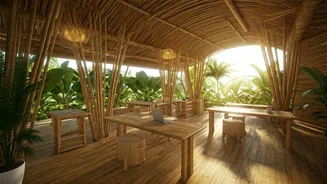
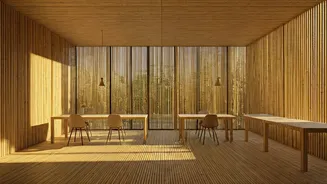
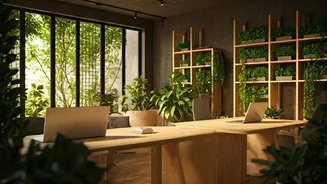
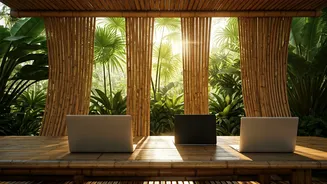
is emerging: the community workspace garden. These are not just offices with a few potted plants. They are integrated ecosystems where work, nature, and community life merge. Imagine drafting a report from a bamboo sala, surrounded by the scent of lemongrass and the gentle buzz of bees, your Wi-Fi signal as reliable as the morning sun. This is a workplace designed not just for productivity, but for well-being and connection to the environment.
The Philosophy of Green Productivity
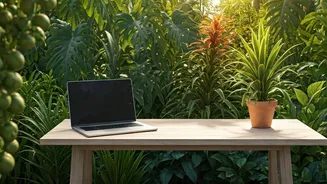
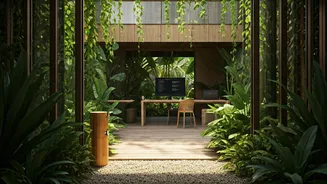
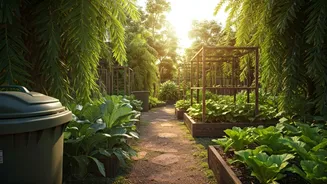
So, what exactly is a 'zero-waste community workspace garden'? The concept is built on a few core principles. First, a deep integration with nature. This often means open-air structures, desks nestled among fruit trees, and the use of natural, locally sourced building materials. The 'community garden' aspect is literal: many of these spaces have on-site gardens where members can volunteer, learn about permaculture, and harvest fresh produce for communal lunches. This hands-on activity provides a welcome screen break and fosters a tangible sense of shared purpose. Finally, the 'zero-waste' philosophy is a guiding star. It manifests in simple but impactful ways: composting all organic waste for the garden, eliminating single-use plastics, providing filtered water refill stations, and hosting workshops on sustainable living. It redefines the workday as an opportunity to not just earn a living, but to live in line with one’s values.
A Day in the Life
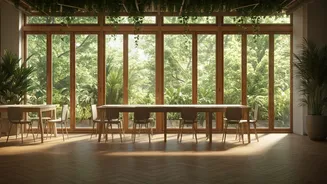
Your day might begin with a morning meeting at a large, shaded communal table. Instead of stale pastries, the centrepiece is a bowl of fresh passion fruit picked from a vine just metres away. During a lunch break, you might join a fellow remote worker—a graphic designer from Bengaluru, perhaps, or a programmer from Berlin—to help weed a patch of kale. The conversations that sprout in these moments are often as fruitful as the garden itself, moving beyond typical office small talk to deeper discussions about life, projects, and purpose. The afternoon's focus session is punctuated not by the rattle of a coffee machine, but by the distant crow of a rooster or the rustle of wind through bamboo. This slower, more intentional pace isn't a distraction; for many, it's the secret to deeper focus and more creative thinking.
Where to Find These Green Oases
While not yet a mainstream phenomenon, these spaces are gaining traction. In Chiang Mai, places like Terra Hub lead the charge, explicitly combining a co-working environment with a community garden and sustainability workshops. Other models include eco-conscious farm stays and permaculture projects that have adapted to welcome digital nomads, offering reliable internet alongside a chance to get your hands dirty. The key is to look beyond conventional co-working listings and search for communities built around shared principles of sustainability and collaboration. These spaces attract a different kind of professional: one who is less interested in the hustle and more invested in holistic growth, both for their career and for the planet. They are building not just businesses, but a more resilient and connected way of living and working.