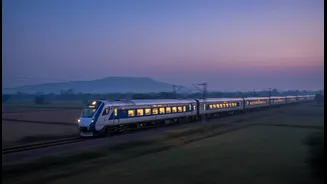




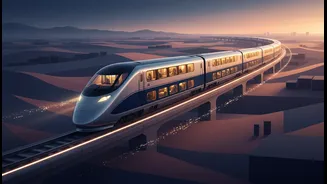
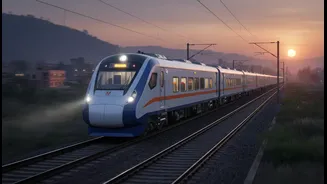

A New Era for Overnight Journeys
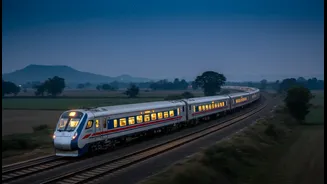
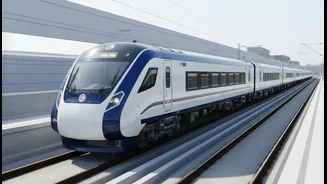
The era of the Rajdhani Express as the undisputed king of overnight travel is facing its first major challenge in decades. With the launch of the Vande Bharat sleeper trains, Indian Railways is rolling out a new standard for long-distance journeys. After
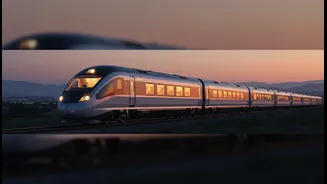
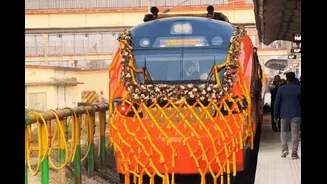
the successful launch of the first service between Howrah and Guwahati in early 2026, the network is quickly expanding. The second such train, the Sant Ravidas Express, is set to be flagged off on July 17, connecting Varanasi and Chheharta (Amritsar). This is part of a broader push, with other routes like Bengaluru-Mumbai also in the pipeline, signaling a clear intention to modernise inter-city travel across the country. These trains are not just faster; they are a complete reimagining of the passenger experience, designed from the ground up for comfort, safety, and efficiency. With a self-propelled design that allows for quicker acceleration and deceleration, they promise to shave crucial hours off popular routes.
Redefining Onboard Comfort
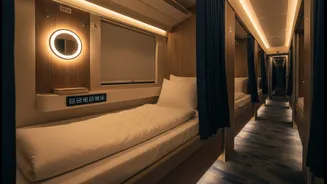
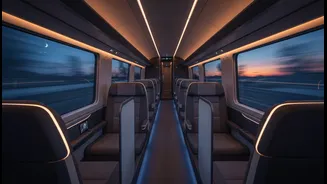
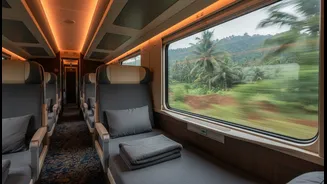
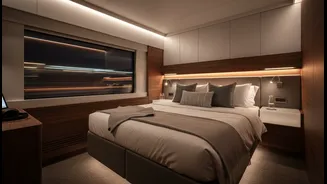
The most significant upgrade is inside the coaches. The Vande Bharat sleeper features ergonomically designed berths that are wider and better cushioned than those in existing trains, aiming to provide better spine support for a more restful sleep. Each berth comes with its own reading light and charging sockets. The entire train is fully air-conditioned with improved soundproofing and a superior suspension system to reduce jerks and noise, creating a calmer travel environment. Hygiene has also been a major focus, with modern bio-vacuum toilets equipped with touch-free fittings, similar to those found in aircraft. Passengers in First AC can even expect the luxury of an onboard hot shower. Automatic sliding doors between coaches make movement easier and help maintain a clean, climate-controlled atmosphere throughout the train. The 16-coach train has a capacity for 823 passengers across its three classes: AC First, AC Two-Tier, and AC Three-Tier.
Timings and City-Break Planning
The schedules for these new trains are being strategically planned for the overnight city-break traveller. The upcoming Sant Ravidas Express, for instance, is a tri-weekly service designed to maximise time at the destination. The train departing from Varanasi (Train No. 14623) leaves at 7:05 PM and arrives at Chheharta at 5:10 PM the next day. The return journey (Train No. 14624) departs Chheharta at 2:05 PM, arriving in Varanasi at 12:15 PM the next day, with key stops at major cities like Lucknow, Moradabad, and Amritsar. These timings allow a traveller from, say, Lucknow to board late at night and arrive in Amritsar in the morning, ready for a full day of activities. By connecting major commercial, tourist, and pilgrimage hubs, these trains open up new possibilities for weekend trips without losing a day to travel. The promise of a more comfortable sleep means arriving refreshed, making a quick 24 or 48-hour trip more feasible and enjoyable.
The Main Caveat: Price and Availability
While the Vande Bharat sleeper offers a premium experience, it comes with two significant caveats: cost and booking rules. The fares are notably higher than those of Rajdhani Express trains on comparable routes. For example, there is a minimum chargeable fare equivalent to a 400-kilometre journey, regardless of how short your trip is. A 3AC ticket for this minimum distance would cost around ₹960, before GST. The second, and perhaps more critical, point is the booking policy. These trains will issue only fully confirmed tickets. The familiar Reservation Against Cancellation (RAC) system, which allows two passengers to share a berth, will not be available. There will also be no waitlists. This policy ensures no overcrowding but also means that once tickets are sold out, there is no chance of getting on the train. Given the immense popularity and hype surrounding these services, securing a ticket will likely be a significant challenge, making spontaneous travel plans difficult.